



How Aluminum Docks Support Sustainable Development
Sustainable waterfront design starts with material choice. Aluminum docks lower impact across the lifecycle—manufacture, use, and end-of-life. With aluminum, you get recyclability, durability, and climate resilience without sacrificing performance.
1. Recyclability and Waste Reduction
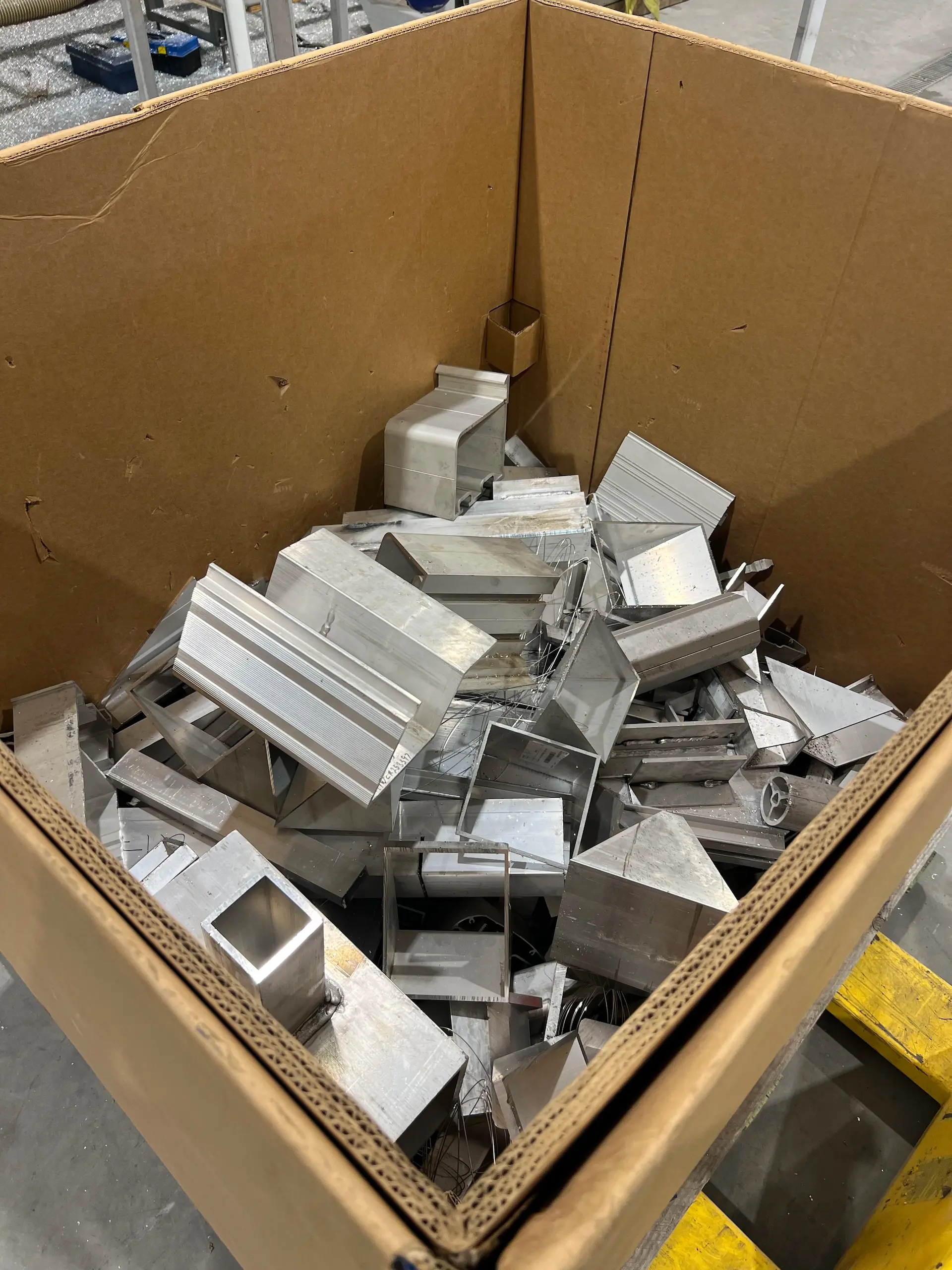
Aluminum returns to the loop with no loss of strength, so aluminum docks avoid landfill endings. Every frame and panel can become new product, cutting virgin extraction. The result is real waste reduction and lower embodied carbon.
- Energy savings: Recycling aluminum requires up to 95% less energy than primary production.
- Lower emissions: A reduced carbon footprint compared to steel or treated wood.
- Circular economy: Reusing existing aluminum decreases waste and reduces the need for new raw materials.
2. Long-Term Durability
Wood can warp, swell, or invite insects, and bare steel can corrode—issues that quickly multiply maintenance and replacement costs. Aluminum resists corrosion, rust, and mildew, so aluminum docks stay structurally sound and visually clean far longer in the same conditions. The practical result is fewer rebuilds, fewer service calls, and fewer materials heading to the dump over the life of the installation.
- Fewer replacements over time.
- Lower maintenance costs.
- Less material ending up in landfills.
3. Safe for Aquatic Ecosystems
Treated wood can leach preservatives into the water. Aluminum avoids chemical runoff entirely, helping marinas and homeowners protect habitats. Cleaner aluminum docks support fish, plants, and people.
- No harmful runoff.
- Safe for fish, plants, and aquatic life.
- Cleaner environments for people and wildlife.
4. Lightweight and Efficient Installation
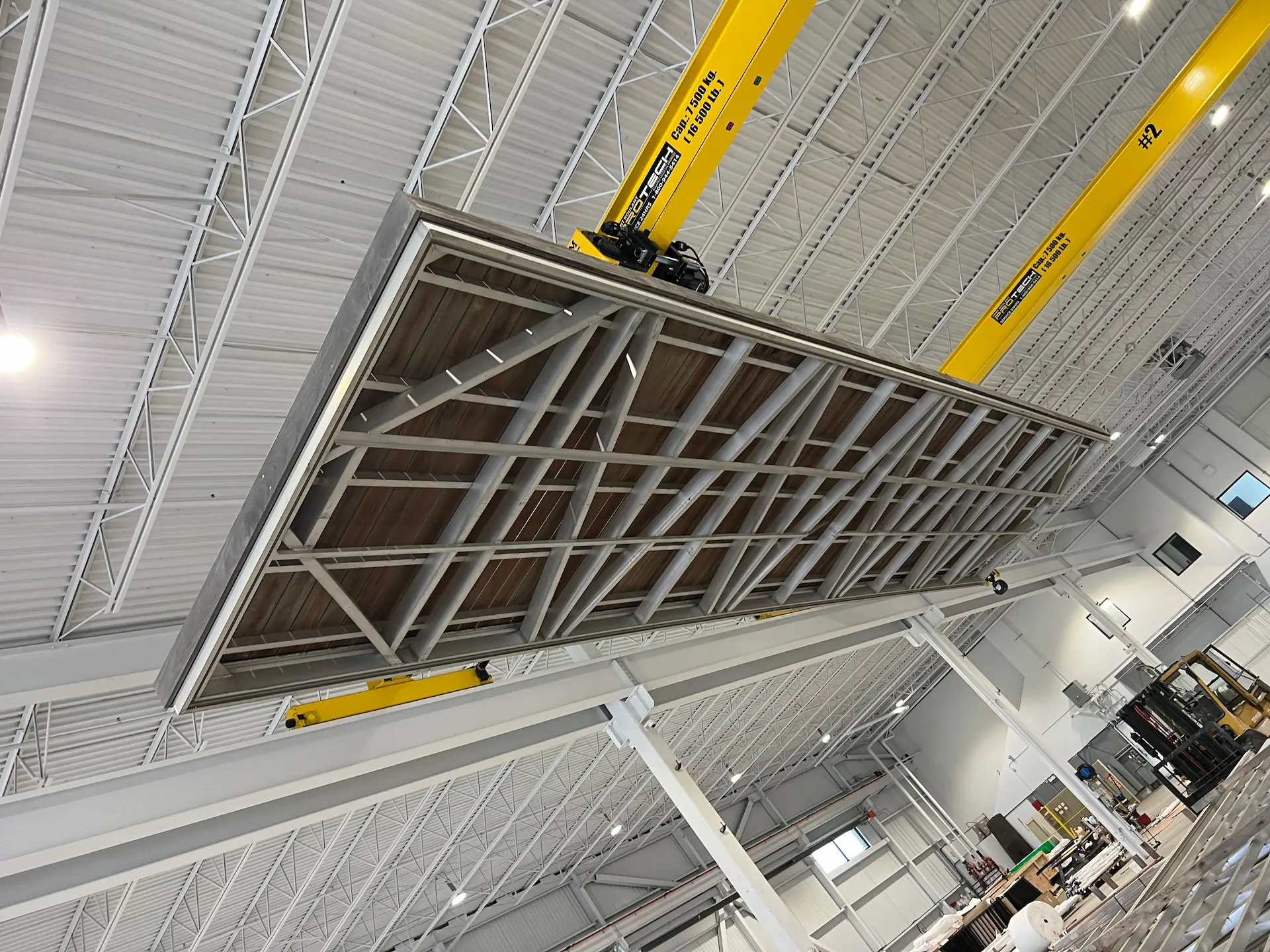
High strength-to-weight lets aluminum ship lighter and install faster with less shoreline disturbance. Aluminum docks are also easier to move seasonally or reconfigure as needs change. That efficiency saves fuel, labor, and habitat.
- Less fuel and labor during construction.
- Minimal disturbance to shorelines.
- Easier seasonal removal or adjustments.
5. Climate Resilience
Floating aluminum docks naturally track rising and falling water, helping communities ride out storm surge and seasonal swings. Corrosion resistance and modern anchoring reduce failure points, while flexible connections shed energy instead of transferring it into the shoreline. In practice, aluminum adds a layer of resilience that protects both property and habitat.
- Protects shorelines from erosion.
- Reduces structural stress during flooding.
- Supports resilient ecosystems.
6. Resource-Efficient Manufacturing
Prefabricated aluminum docks are built in controlled plants, trimming scrap and energy use. Consistent quality means fewer fixes and less waste later. Add solar lighting or ADA features to amplify sustainability.
- Less waste compared to onsite builds.
- Lower energy use during fabrication.
- Consistent quality with reduced environmental footprint.
7. Reduced Waste Over Time
A long service life means fewer replacements and fewer tear-outs—simple math that favors aluminum docks. When the time finally comes, recycling aluminum keeps material out of landfills and feeds the next generation of products. Over decades, that combination of durability and recyclability lowers total resource consumption dramatically.
- Extended product use reduces strain on natural resources.
- Recycling keeps materials out of landfills.
- Less environmental impact over decades.
Aluminum vs. Treated Wood
Lifecycle wins decide it. Aluminum is recyclable, durable, chemical-free, and low-maintenance. Treated wood brings preservatives, more repairs, and non-recyclable waste. For marinas and HOAs, aluminum docks are the greener, more cost-stable choice.
- Aluminum: recyclable, durable, chemical-free, low-maintenance.
- Treated wood: non-recyclable, chemically treated, prone to rot and warping.
Bottom Line for Better Waterfronts
Aluminum docks align with the principles of sustainable development: recyclability, durability, environmental safety, and energy efficiency. By choosing aluminum, waterfront property owners and marina operators reduce their ecological footprint while investing in a long-lasting, cost-effective dock system.
If you’re seeking eco-friendly dock solutions that combine performance with sustainability, aluminum is the clear choice.


