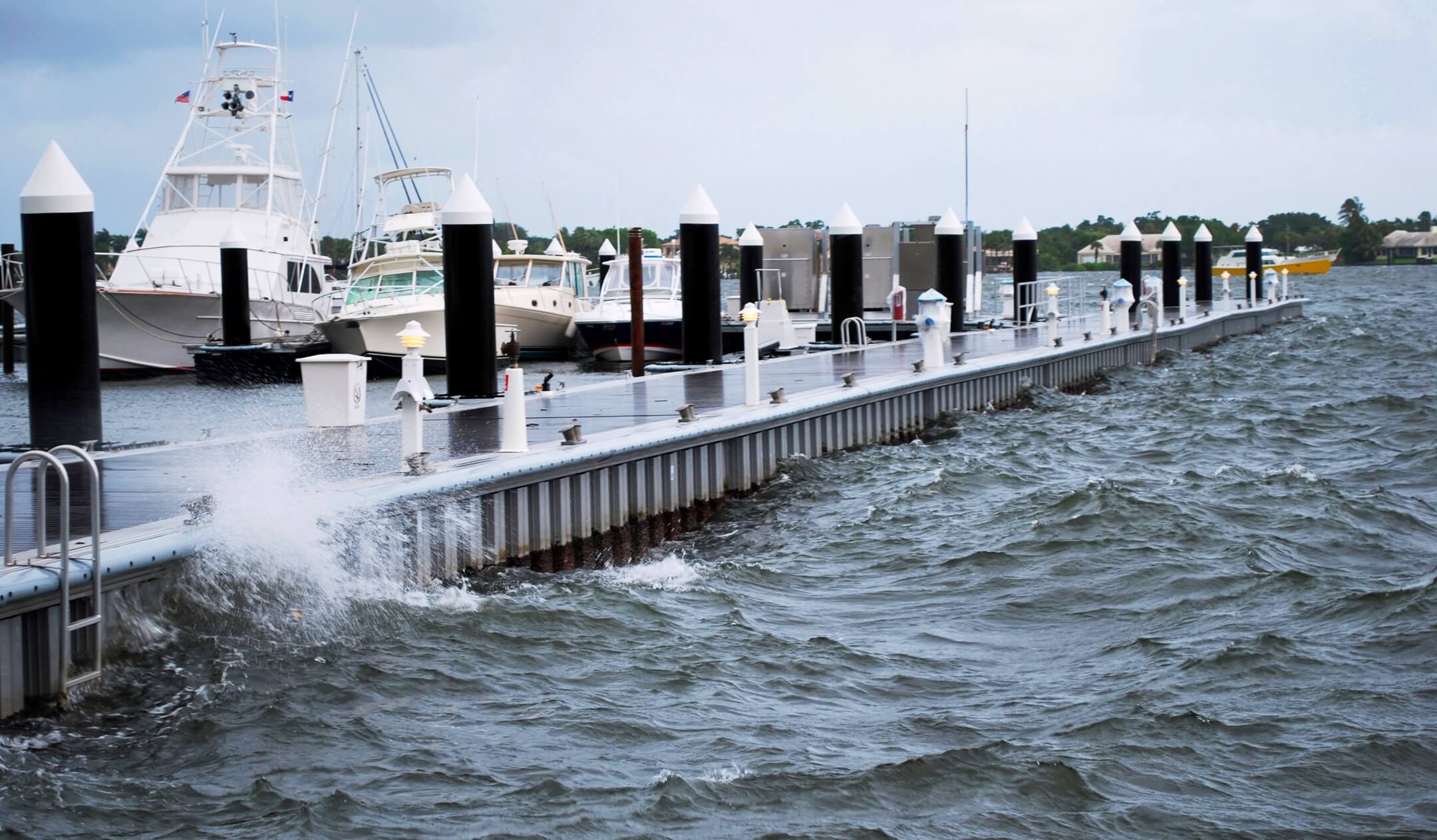
Aluminum Floating Docks

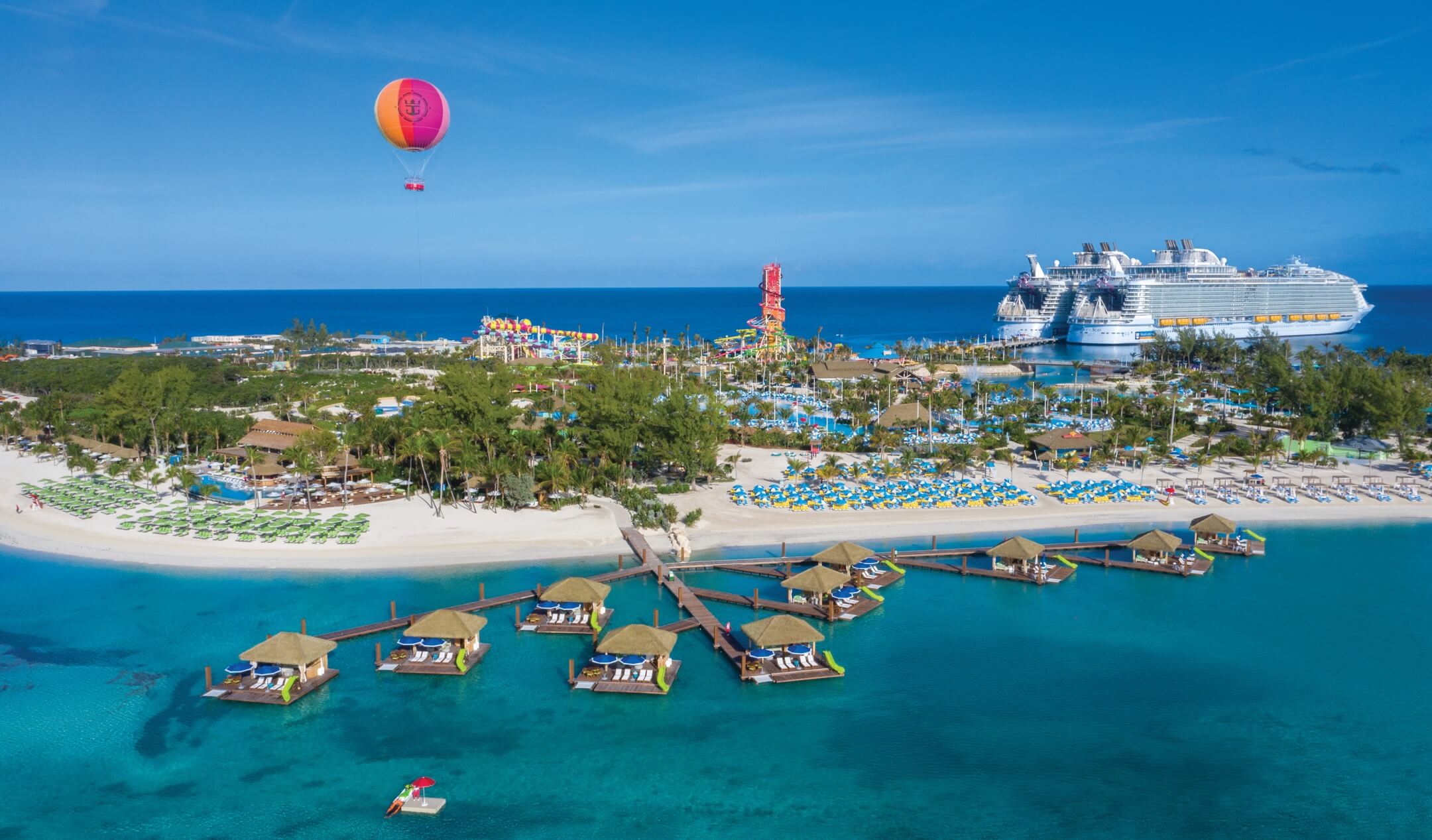
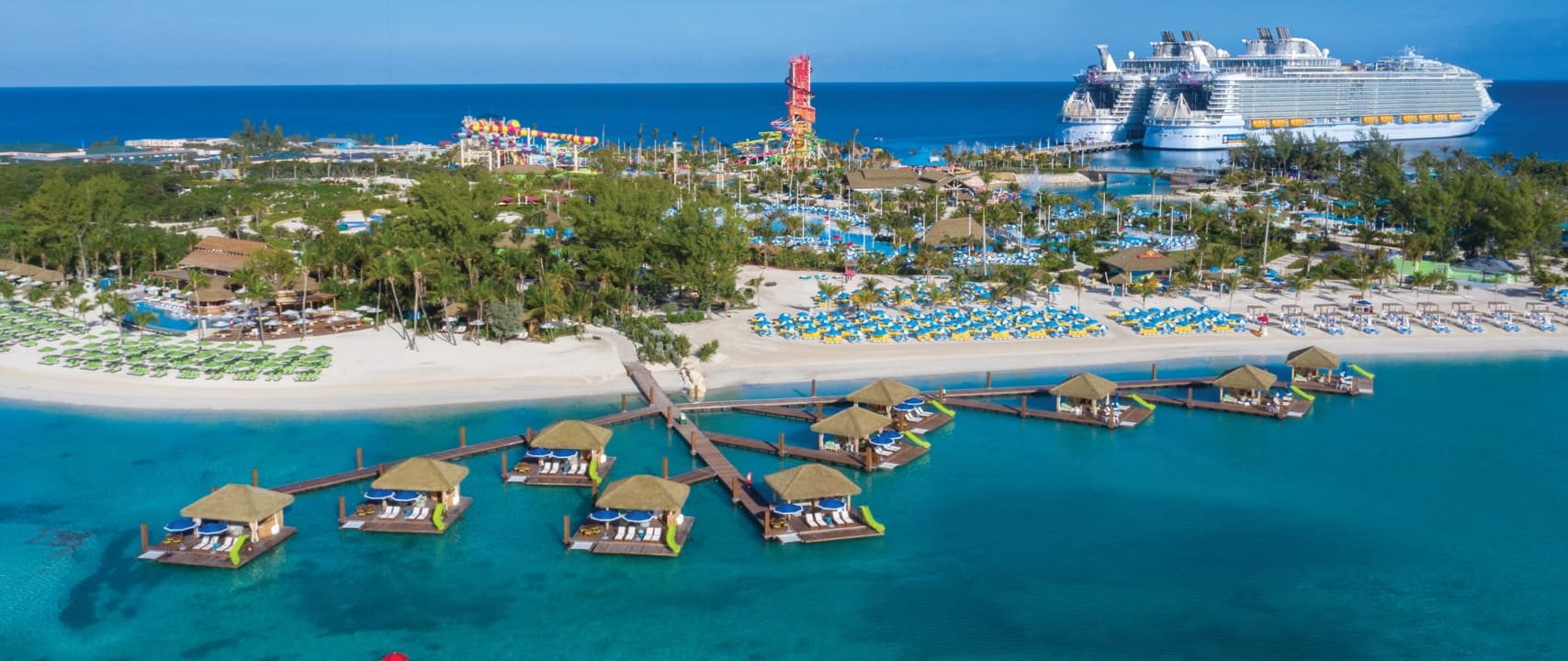
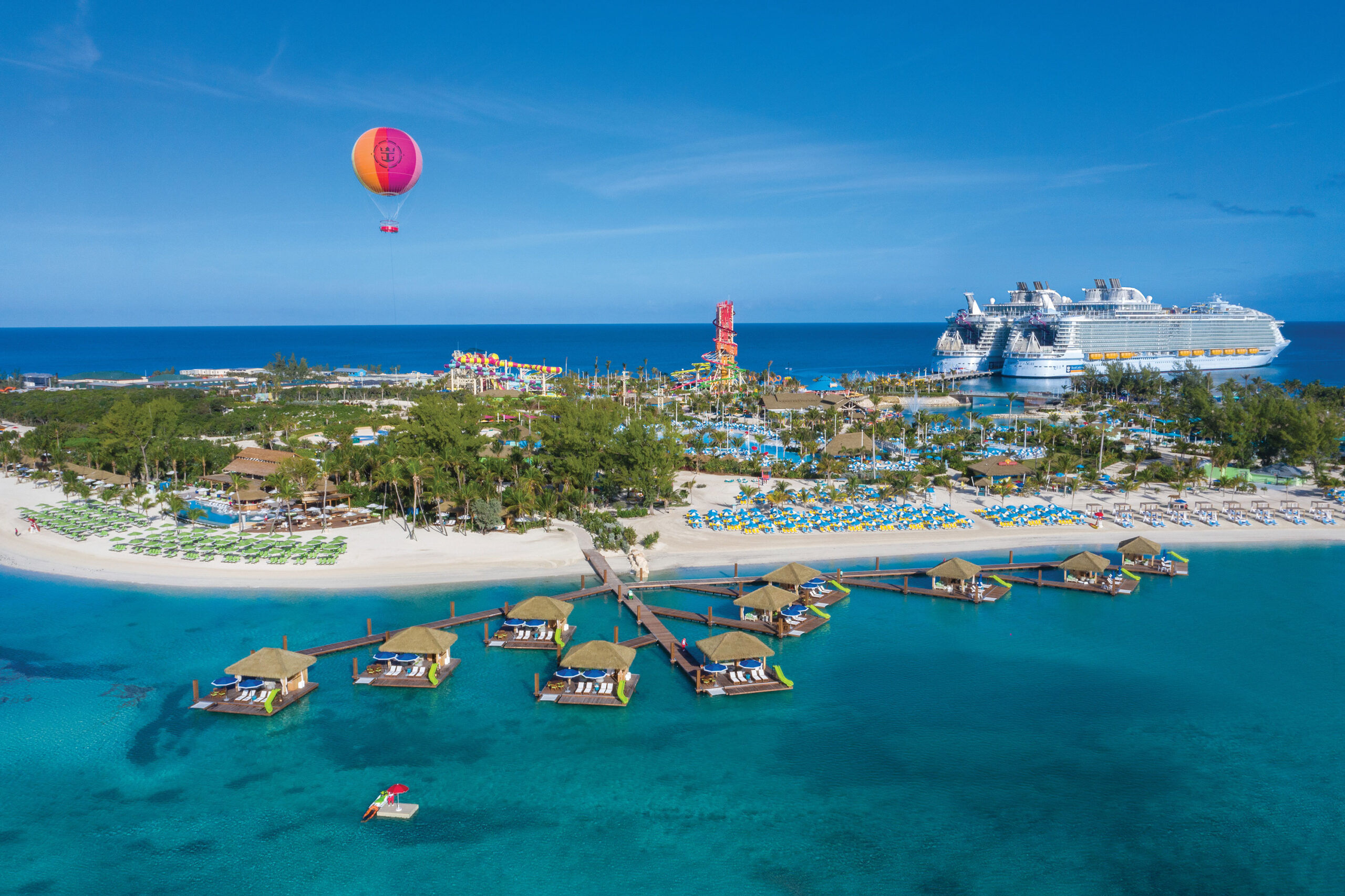
Floating docks with huts at Caribbean resort
© Royal Caribbean
Background Logo

Aluminum Floating Docks, Engineered to Last Decades.

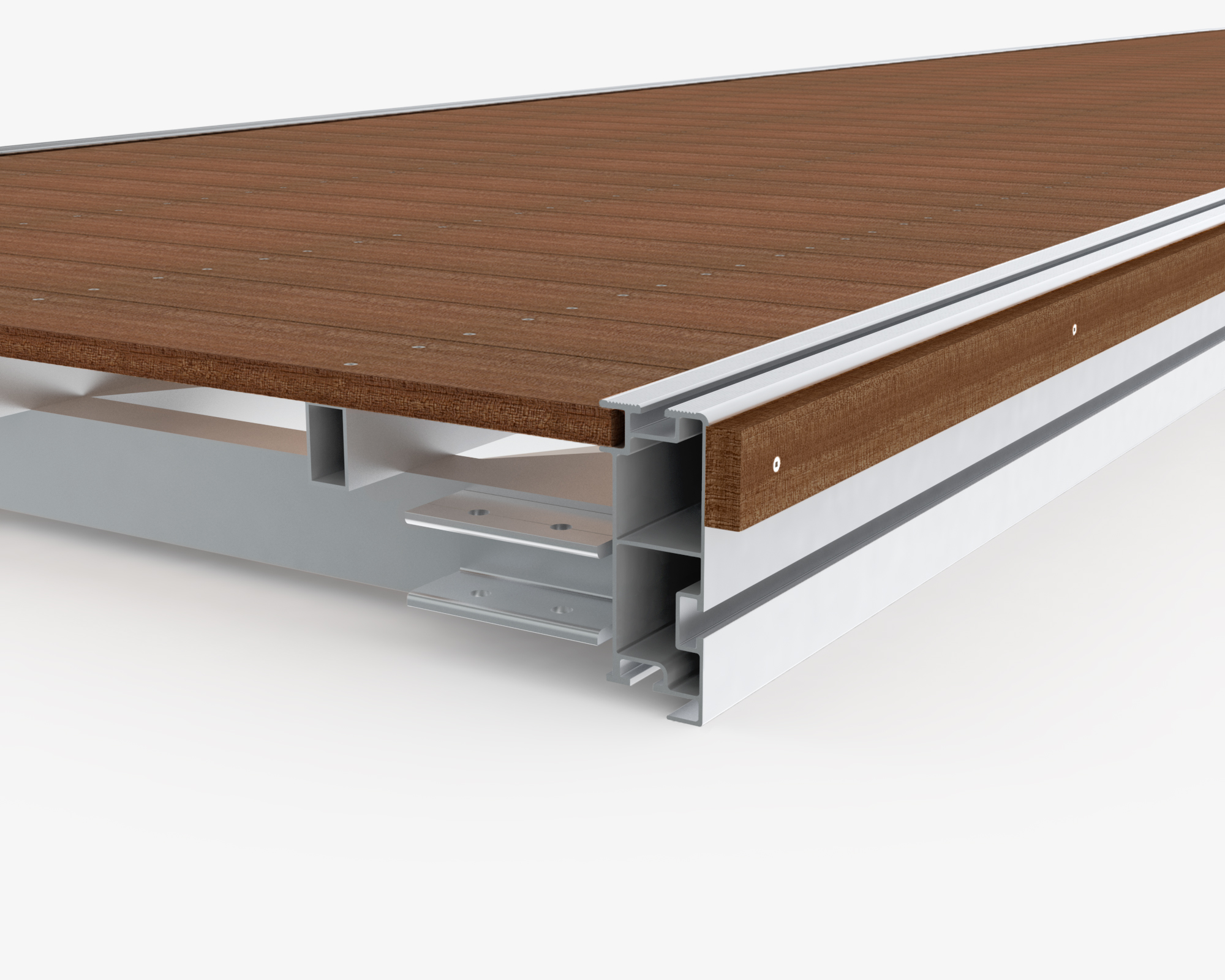
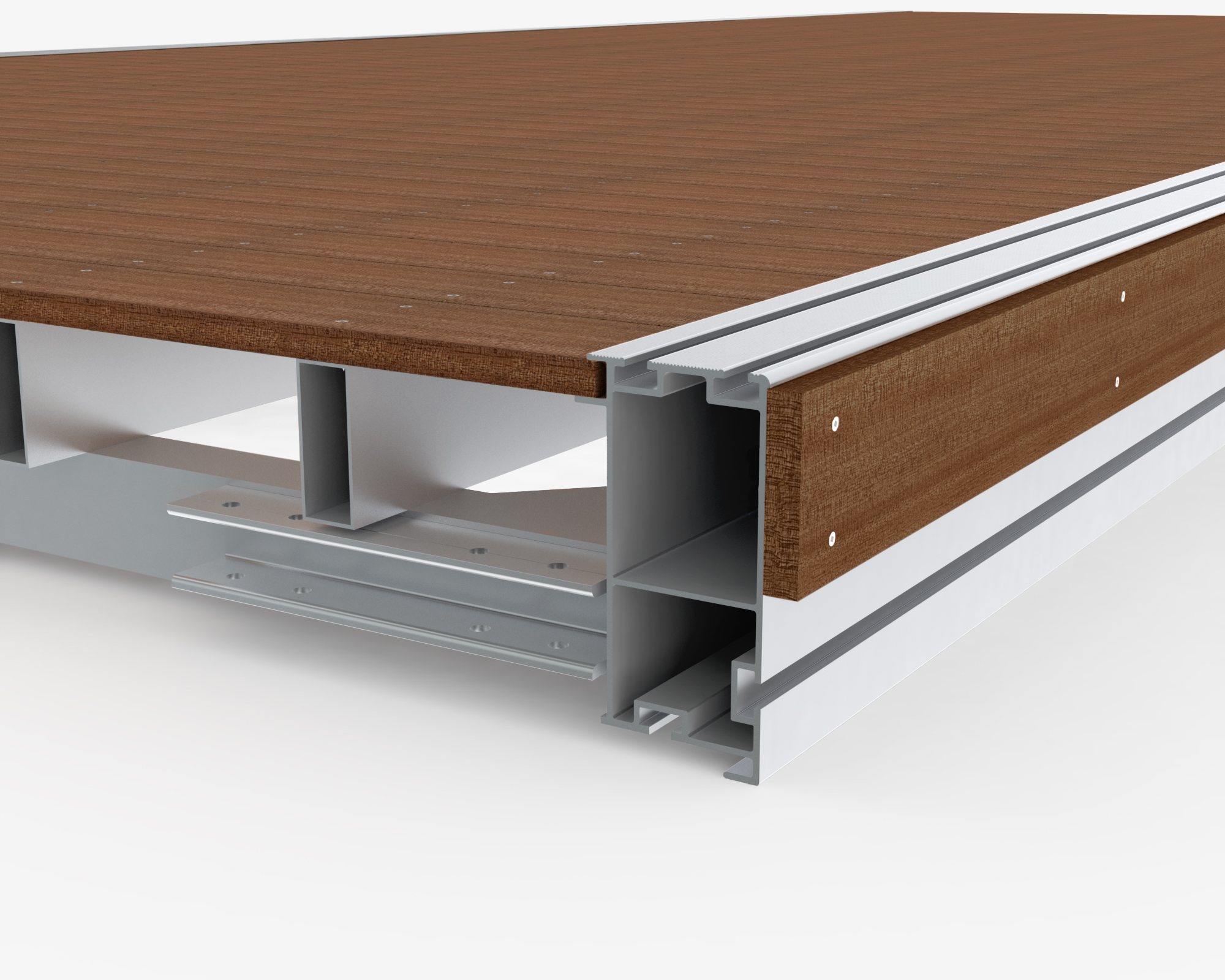
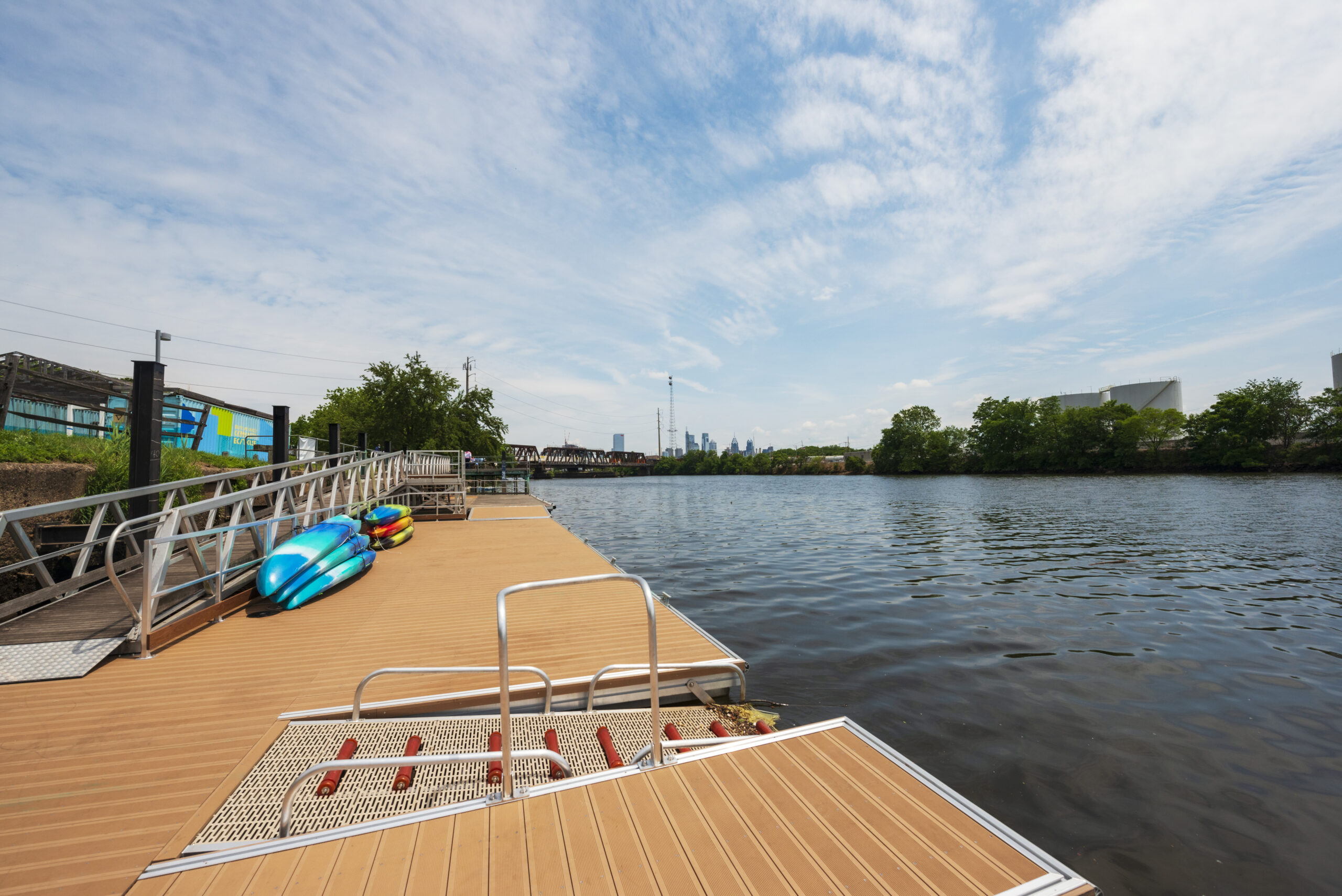
We design, fabricate and install custom aluminum floating docks in-house for marinas, resorts, yacht clubs and municipal waterfronts. Built from marine-grade aluminum and fully welded for structural integrity, they carry everything from small craft to mega yachts with almost no maintenance.

Why MAADI

The engineering behind our floating docks

Our aluminum floating docks are engineered, manufactured and installed in-house, built from marine-grade aluminum to perform for decades with minimal maintenance. From durability to custom design to modular integration, every system is built around your waterfront.

01 02 03 / 03

Durable Aluminum Floating Docks

  • Built from strong marine-grade extruded aluminum alloy that withstands harsh weather and the constant flow of pedestrians and golf carts
  • A permanent film of natural oxide resists corrosion from saltwater, chemicals and pollution, with no coatings required
  • Unlike steel, our aluminum floating docks require far less maintenance and hold their performance for decades, making aluminum the long-term cost leader over wood, steel and concrete (why aluminum)
  • Each system is manufactured using marine-grade aluminum and engineered for exceptional durability, low maintenance and long-term lifecycle value, optimized not only for today's needs but for future vessel demands, environmental loading and total cost of ownership

Custom Floating Dock Design

  • Every floating dock system is engineered around the specific requirements of your project, including basin geometry, water depth, vessel mix, environmental loading conditions, utility requirements and long-term operational objectives, with our in-house Professional Engineers developing and sealing site-specific designs rather than relying on standardized dock layouts or catalog-based solutions
  • Structural design considers vessel berthing forces, mooring loads, wind, waves, currents, storm surge, flotation requirements, fatigue and long-term durability; depending on project location and scope, our designs may incorporate principles and recommendations from recognized industry standards and guidelines, including PIANC Guidelines for Marina Design (RecCom WG 149), BS 6349 Maritime Structures, relevant ISO marine and shipbuilding standards, ASCE Manual No. 50 (Planning and Design Guidelines for Small Craft Harbors) and ASCE/COPRI guidance for piers, wharves and small craft harbor infrastructure
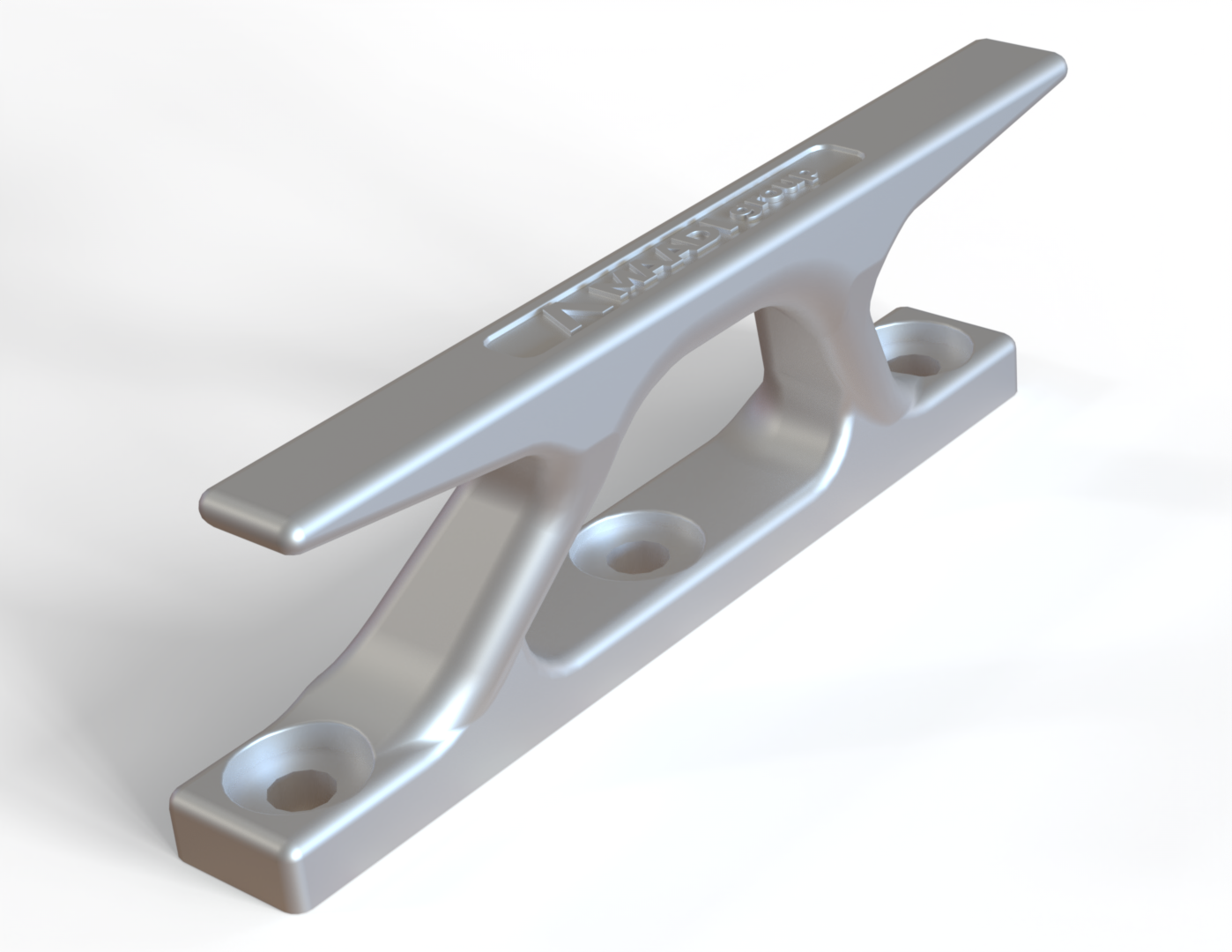
  • Personalize your floating dock system with a wide selection of decking materials, utility trough covers, fender systems, cleats, pile guides, integrated lighting, shore power pedestals, fuel dock accessories and other dock infrastructure components, all backed by MAADI Group's 12-year limited warranty

Modular Aluminum Dock Systems

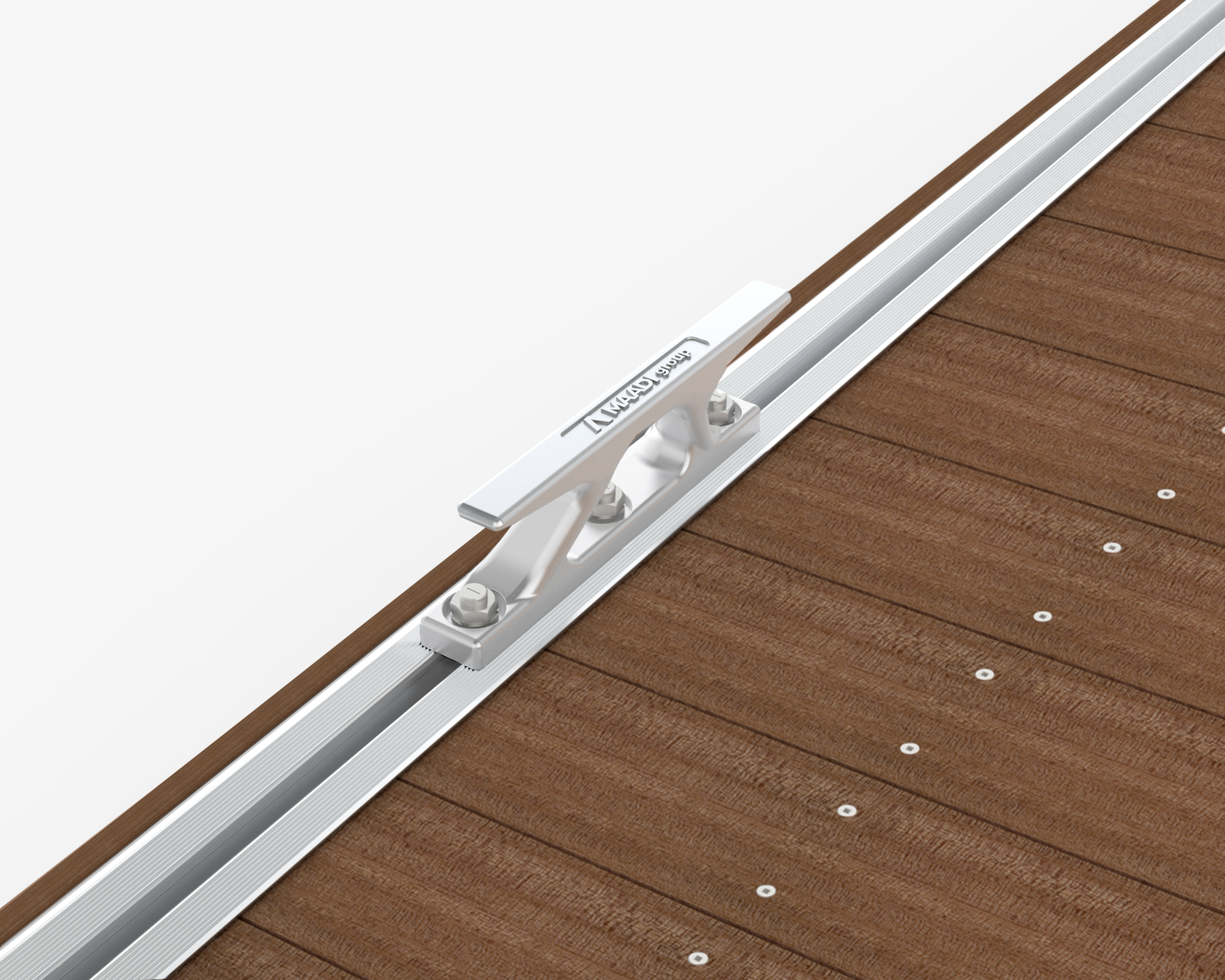
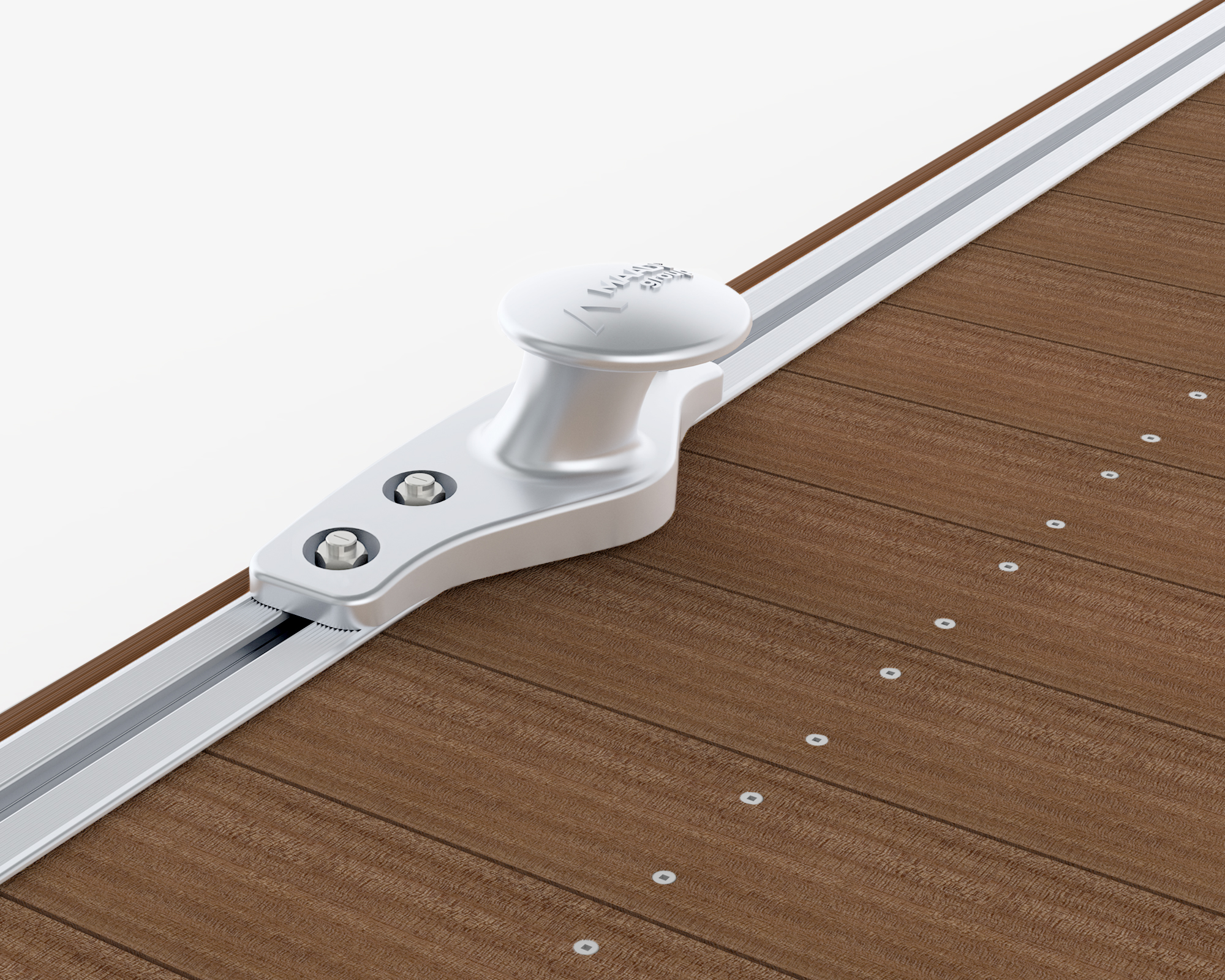
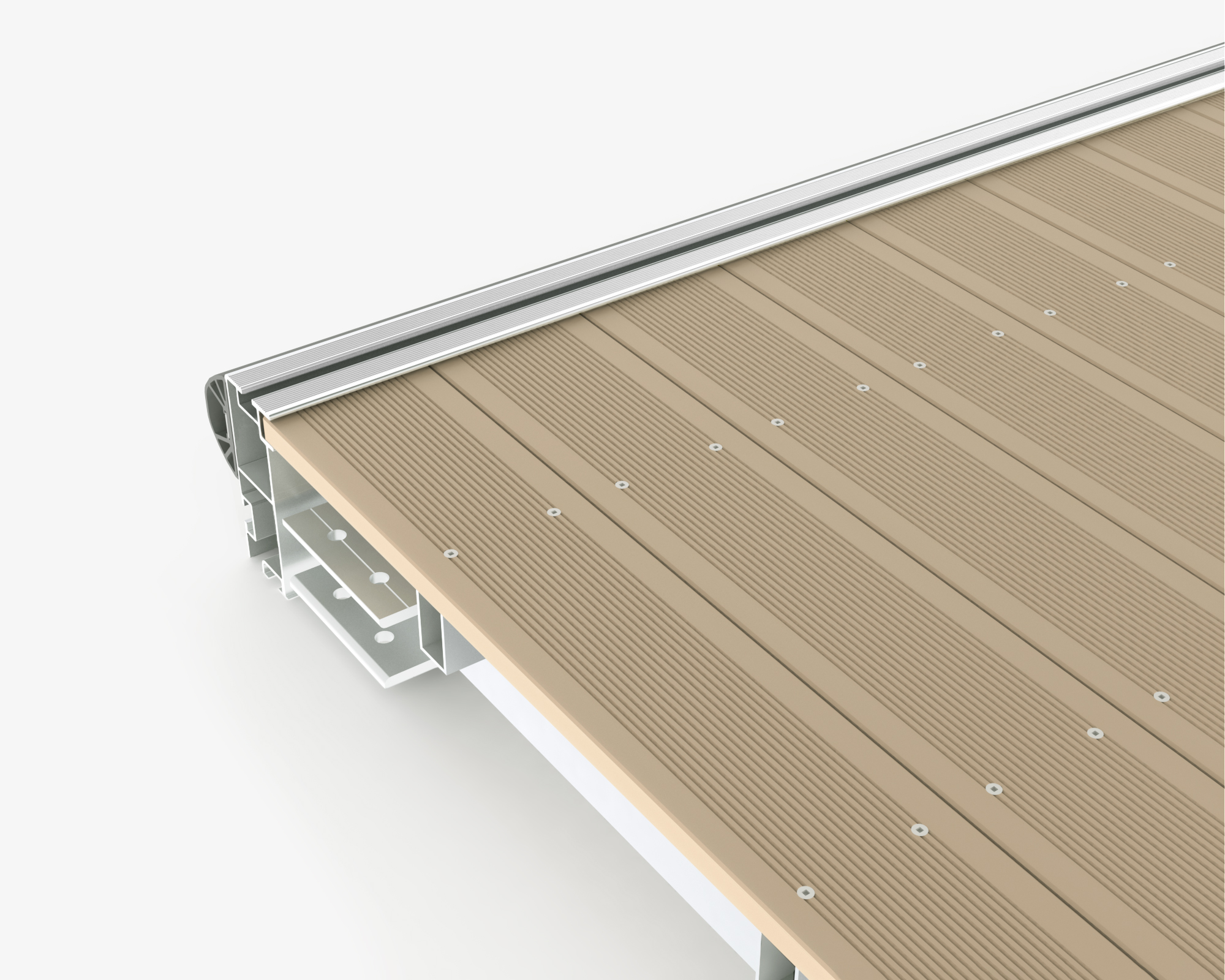
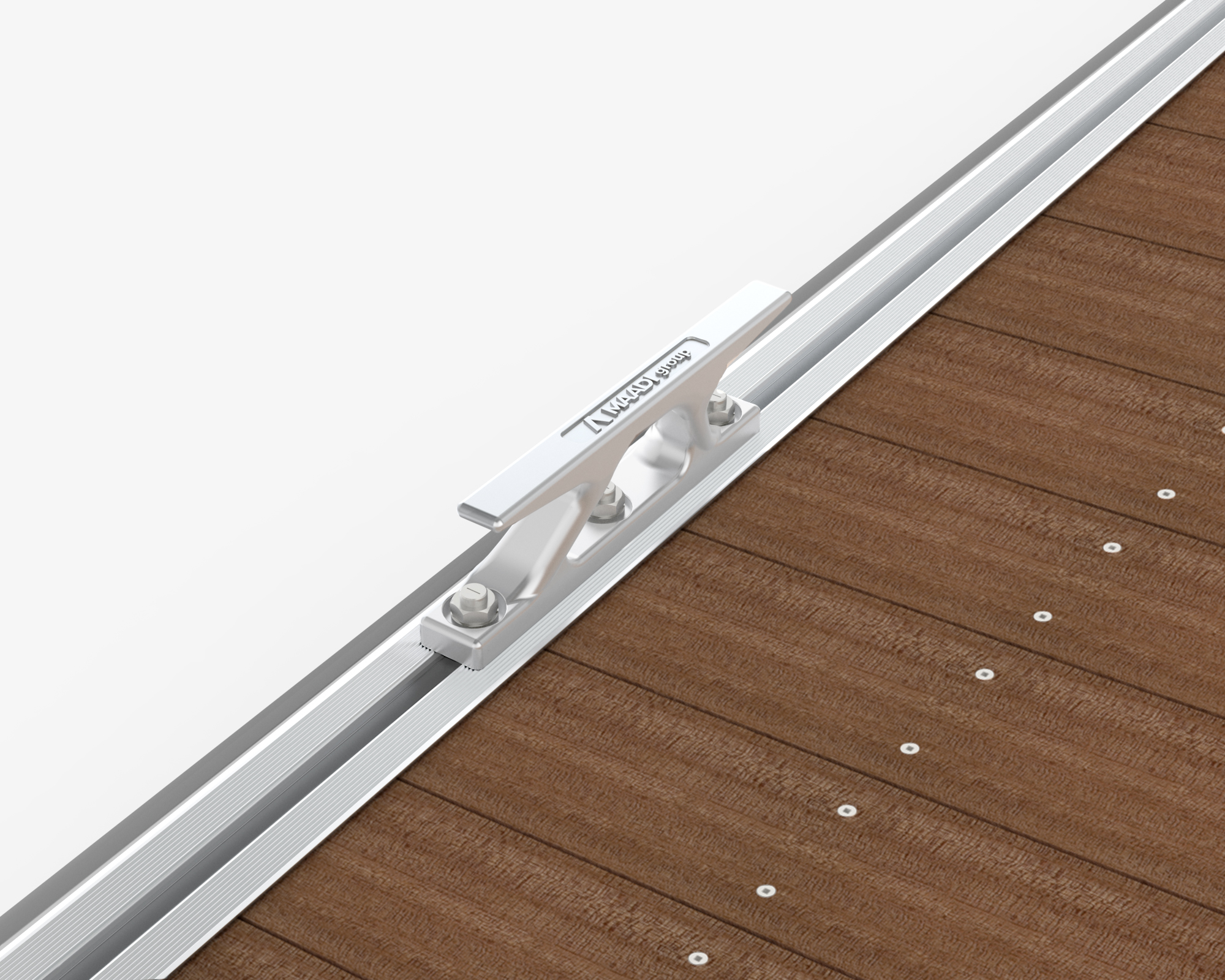
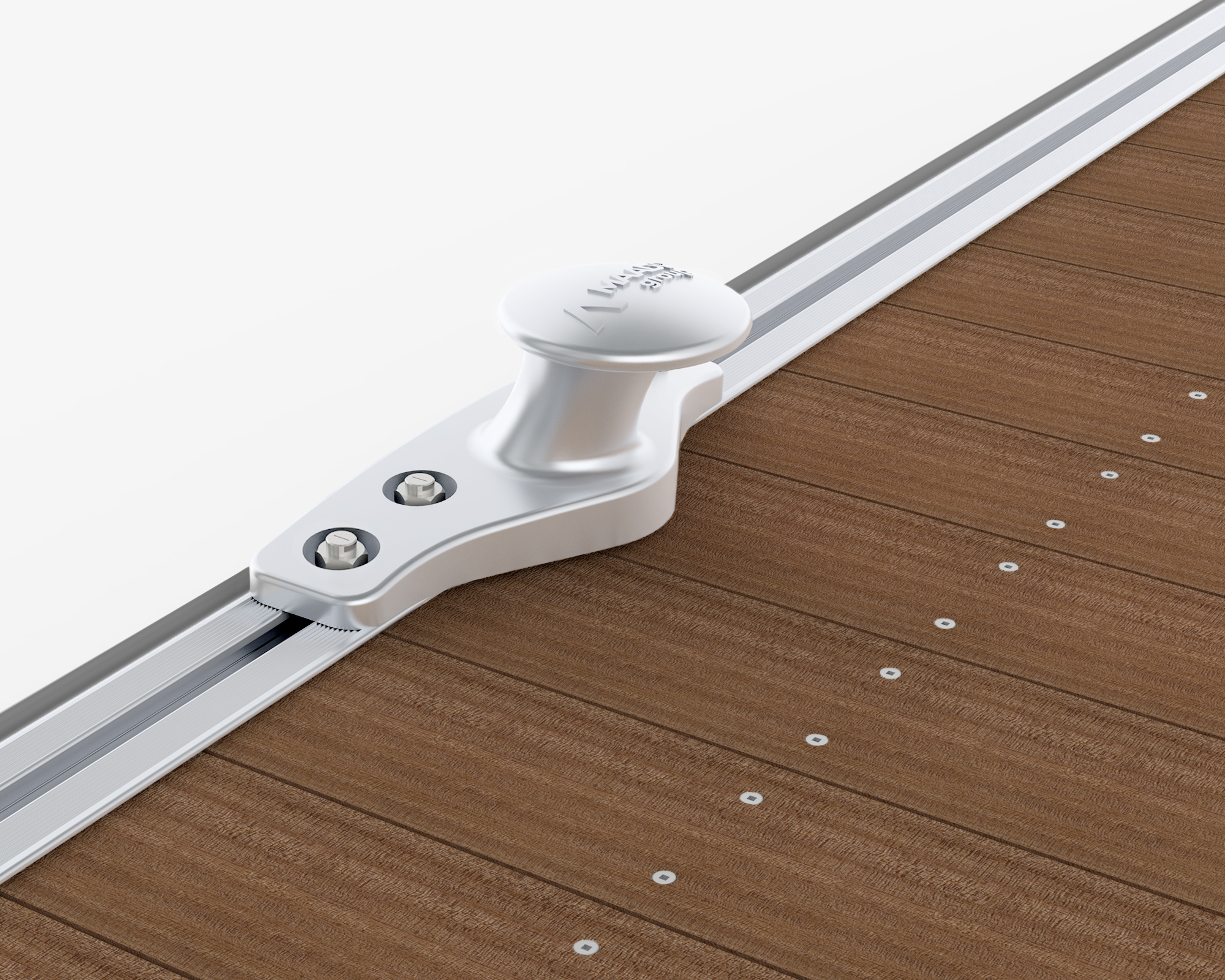
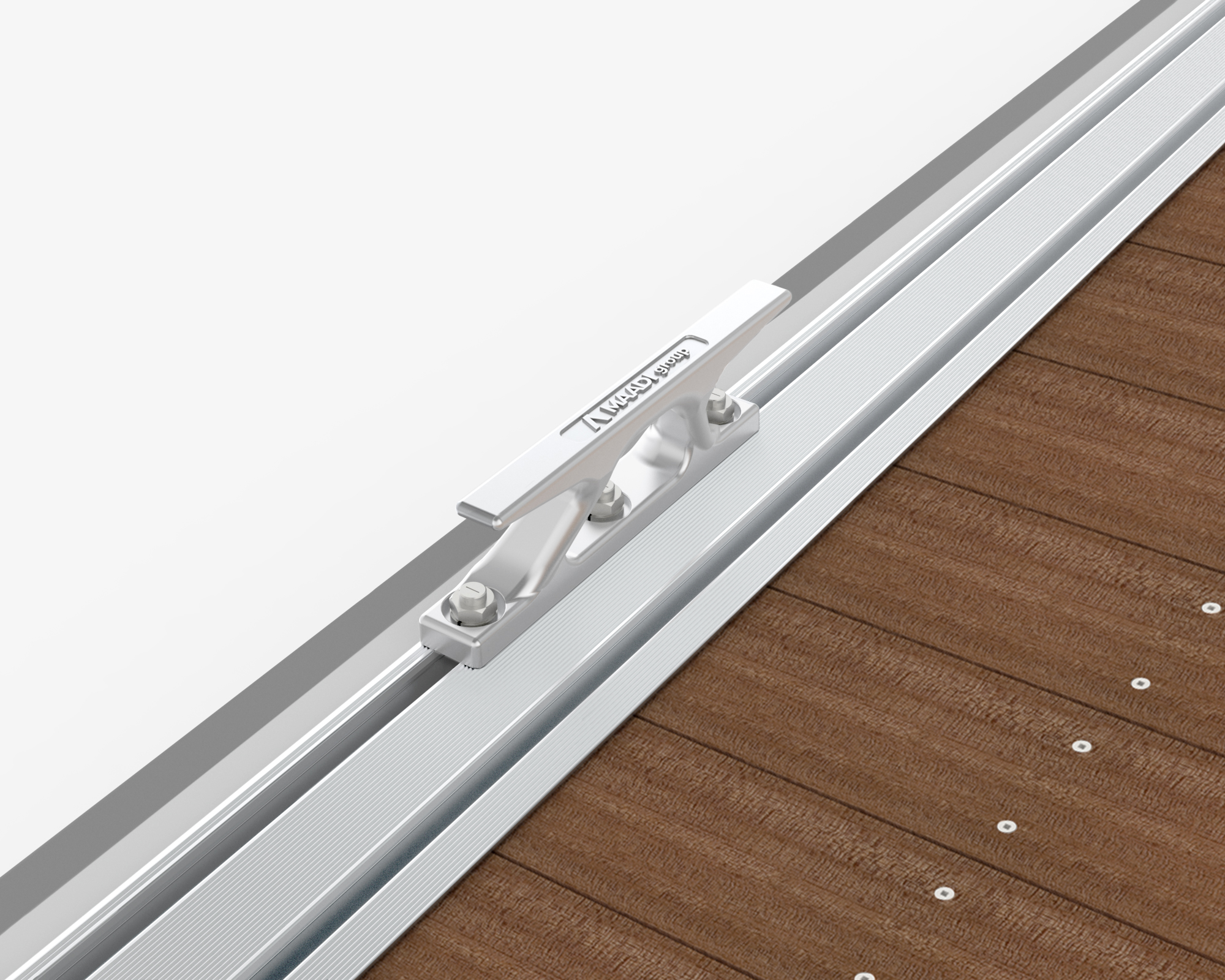
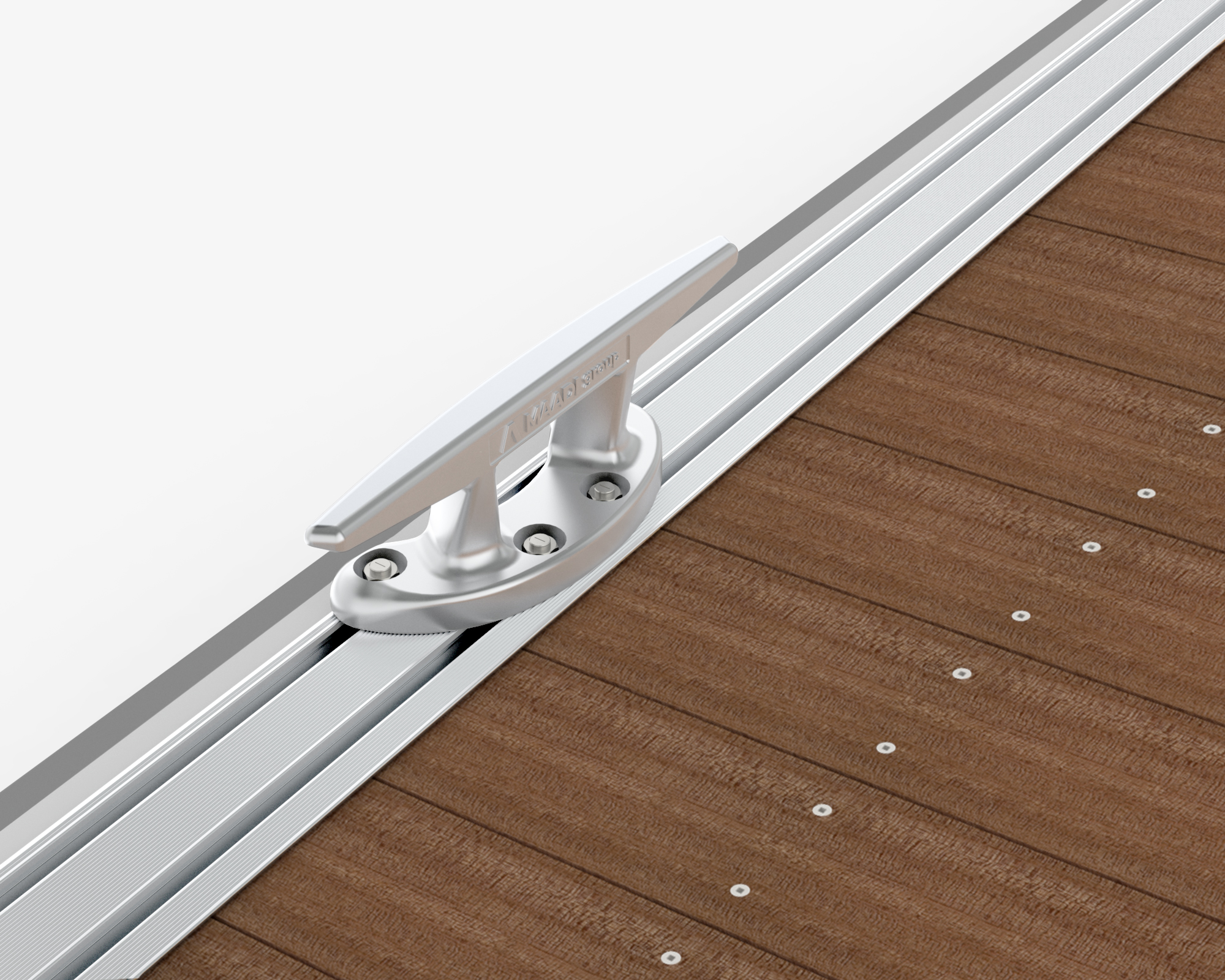
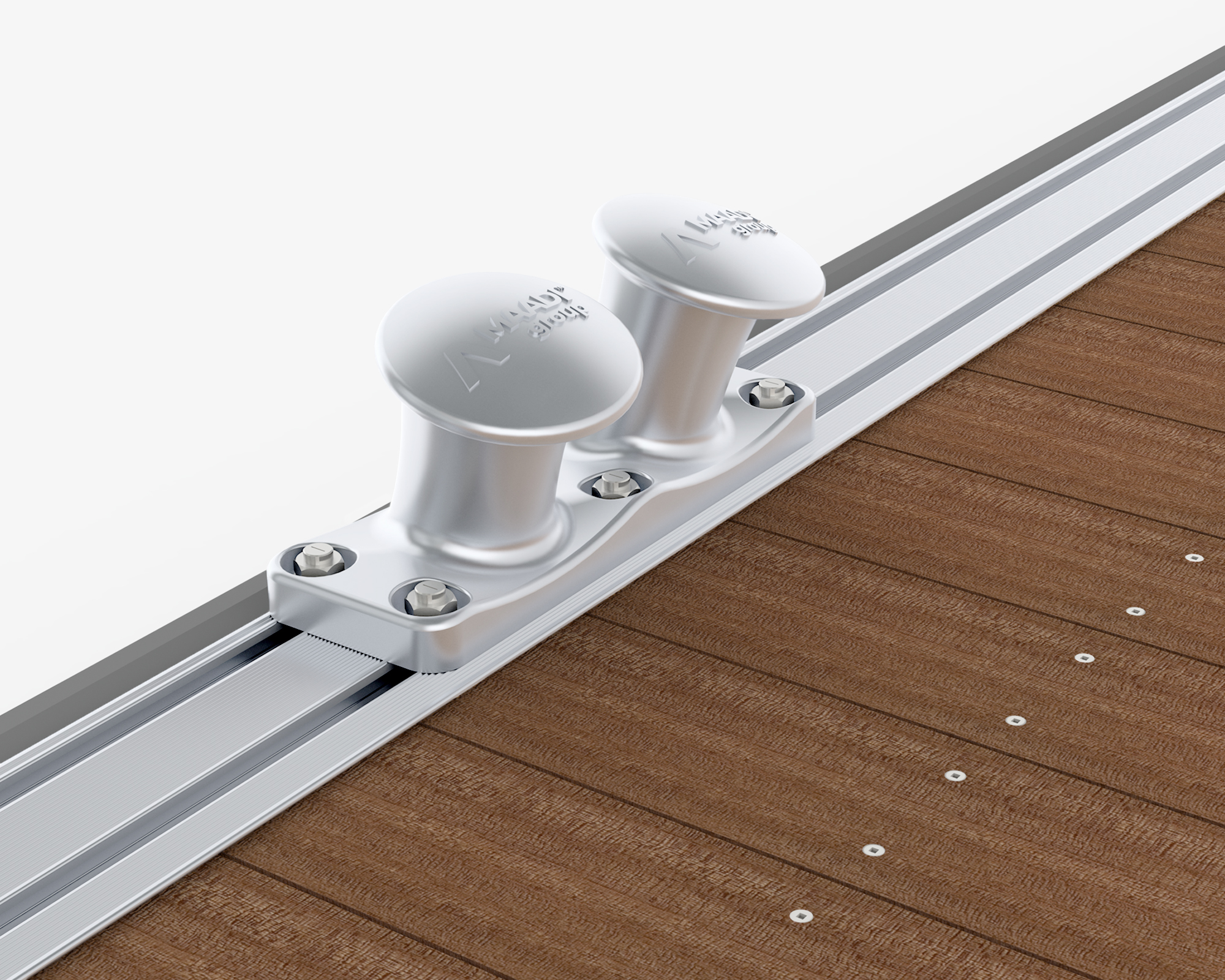
  • Aluminum floating docks and finger docks reconfigure easily on our multifunction track system
  • Three interoperable systems carry everything from small pleasure craft to luxury mega yachts
  • Integrates with modular aluminum gangways, floating wave attenuators and custom aluminum marina systems into one coordinated system, for commercial marinas or residential floating docks alike

Streamlined features of our floating docks

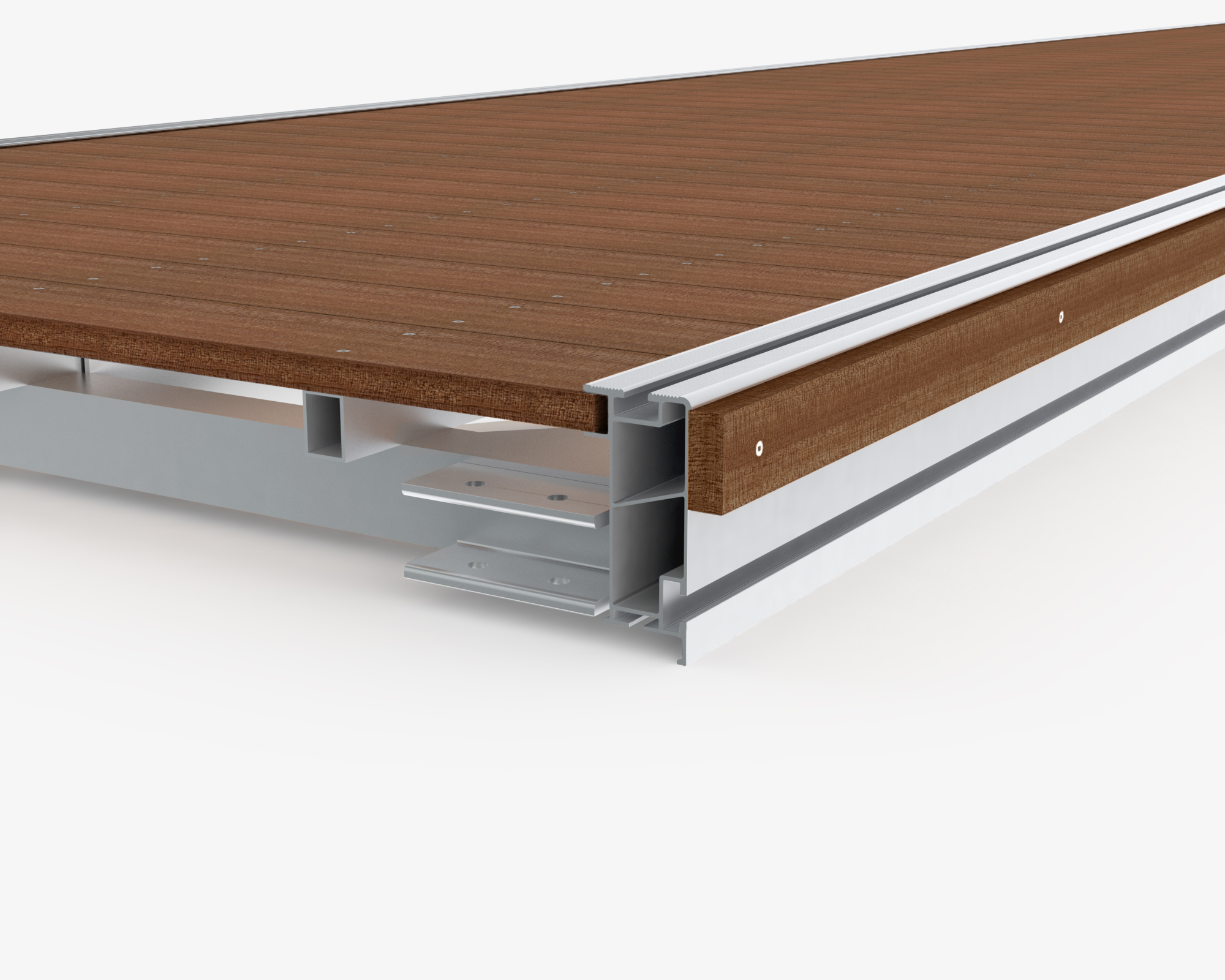
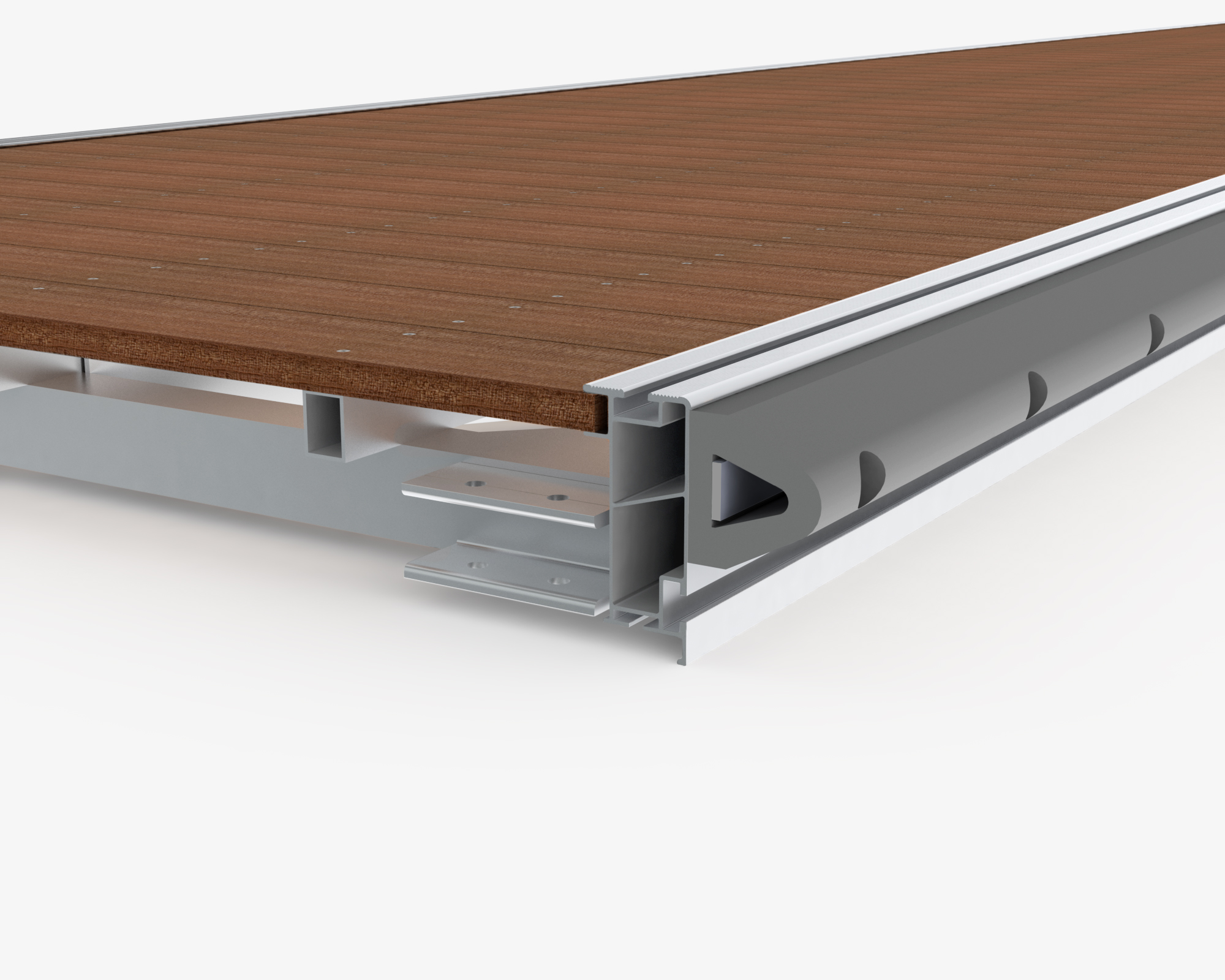
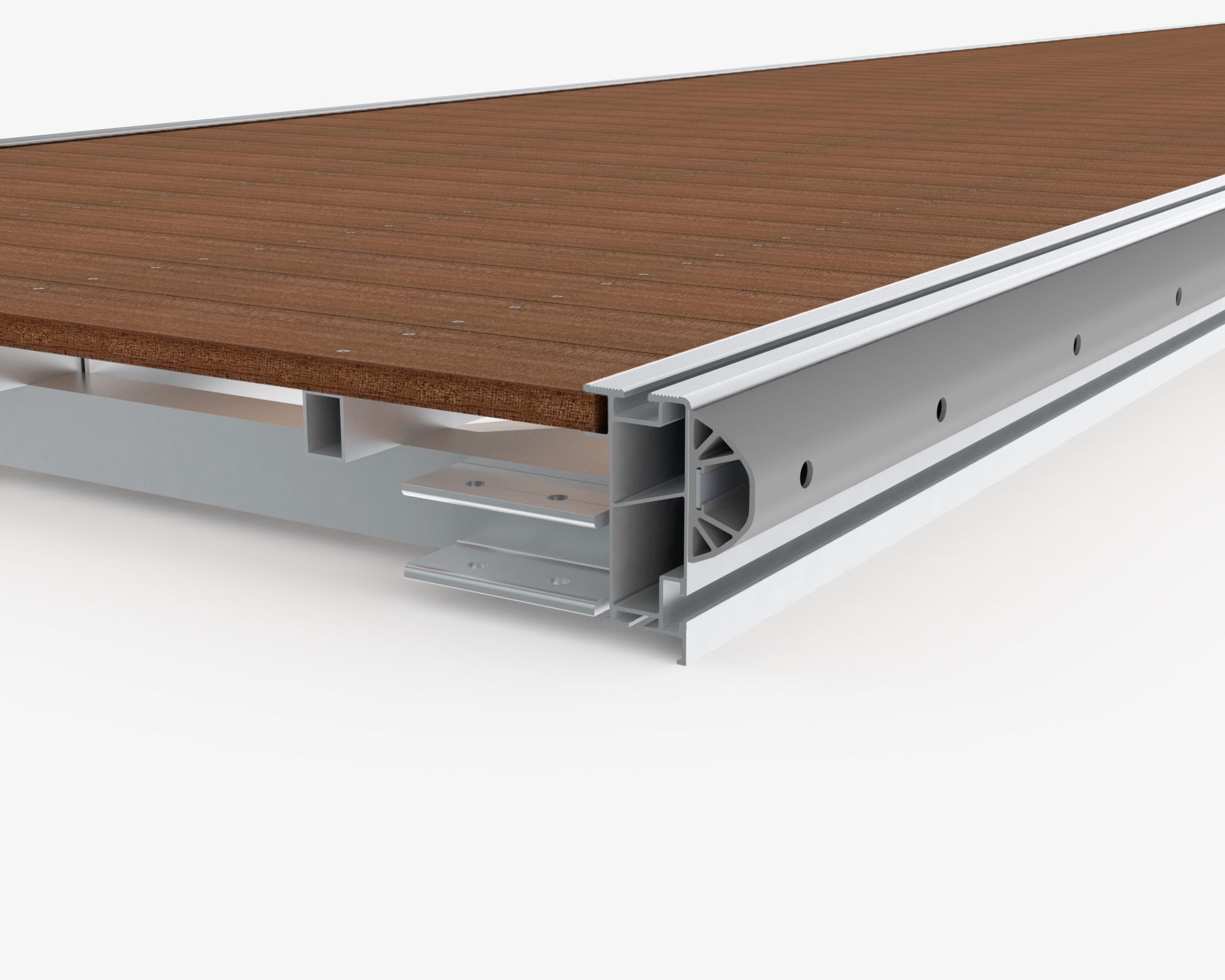
Our 3 modular floating dock systems are loaded with sleek, customizable features. And because the systems are interoperable, our engineers can combine systems to optimize your docking capacity for different size boats.

Lakeshore™

Small pleasure craft and recreational boats

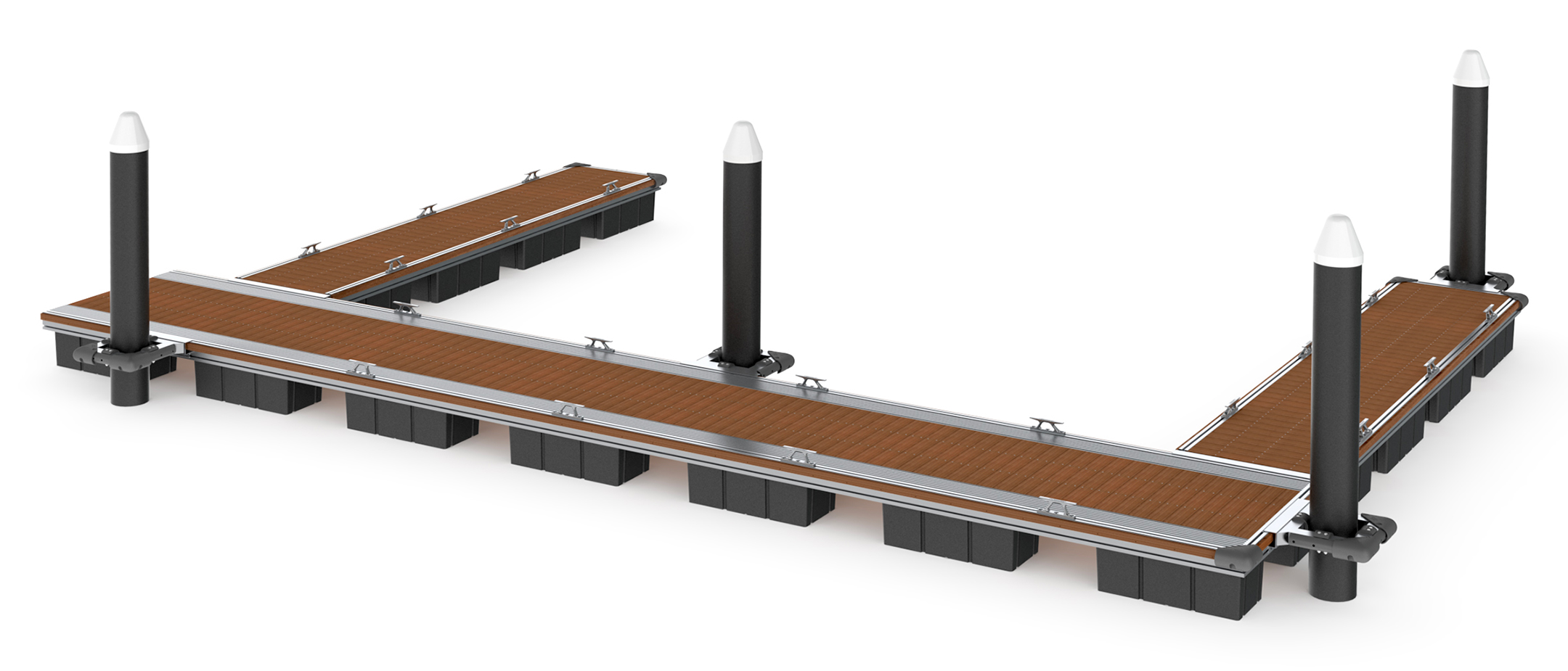
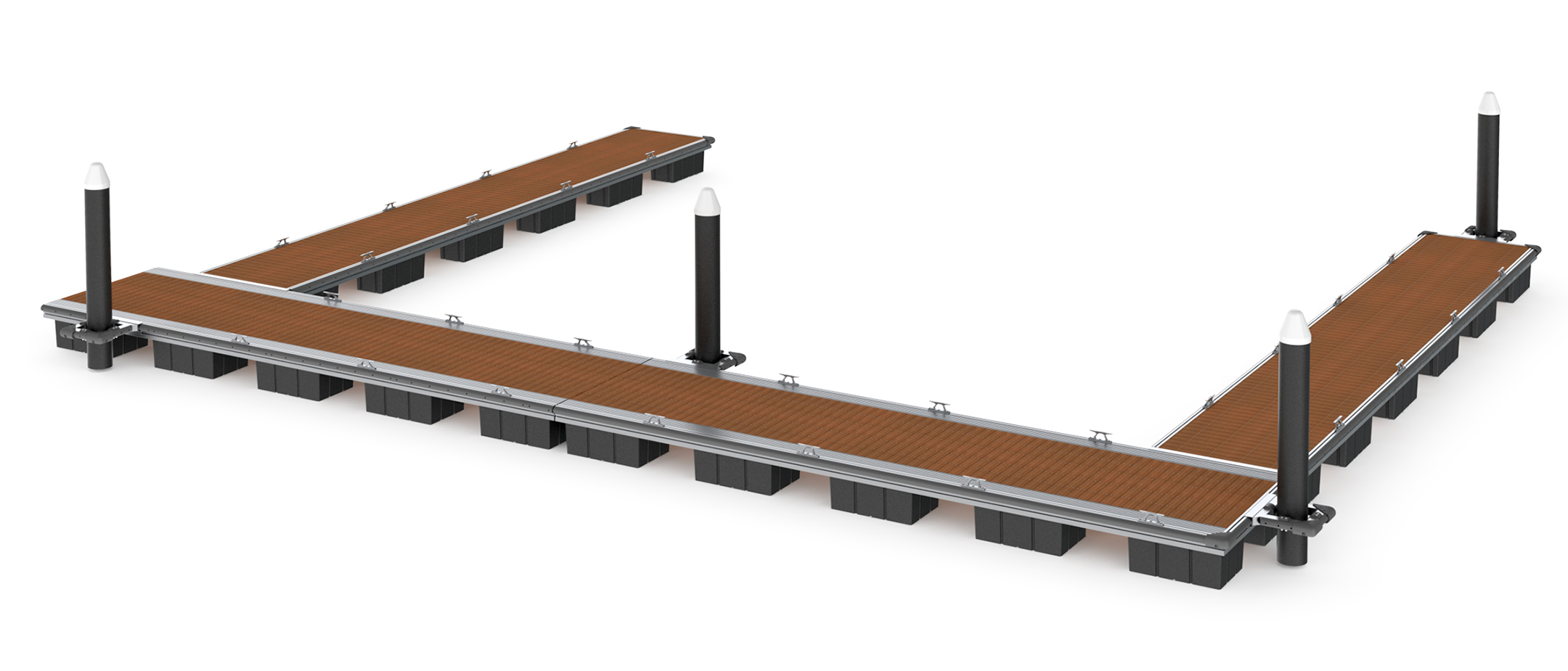
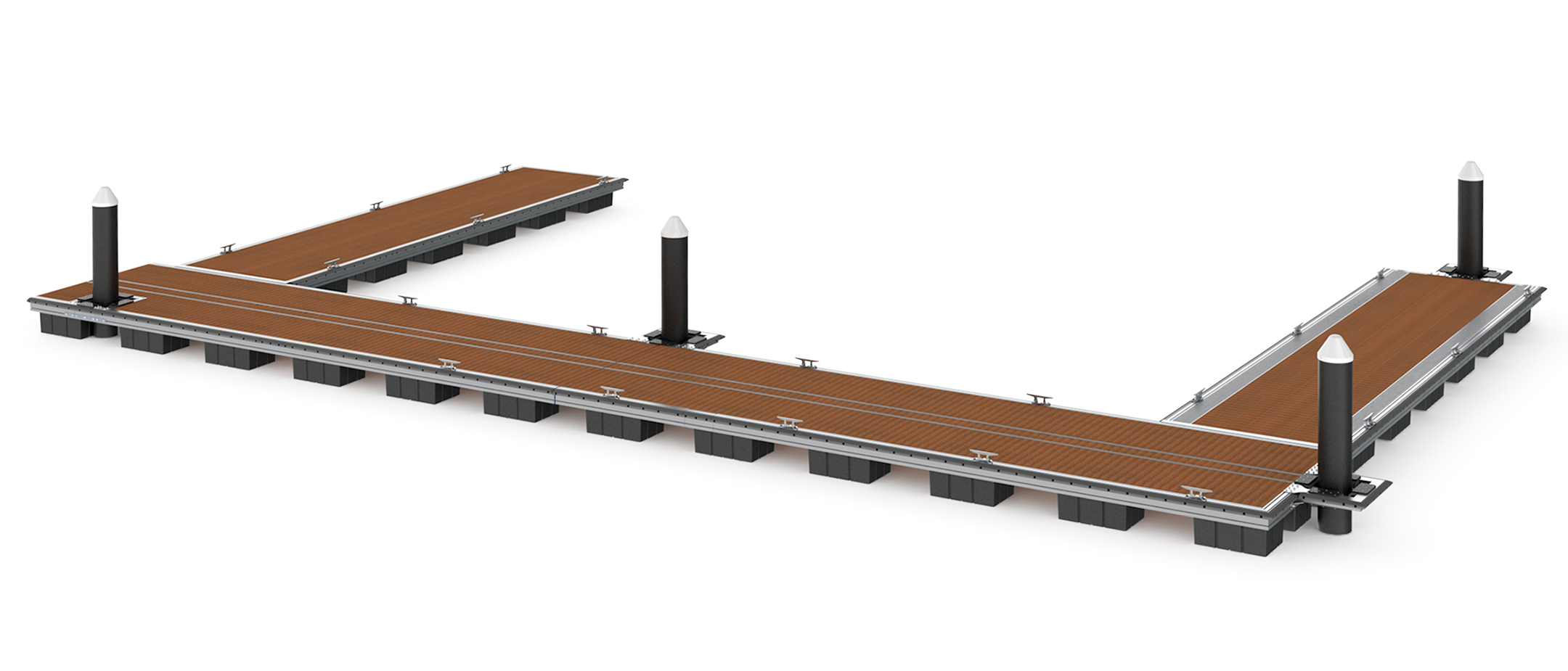
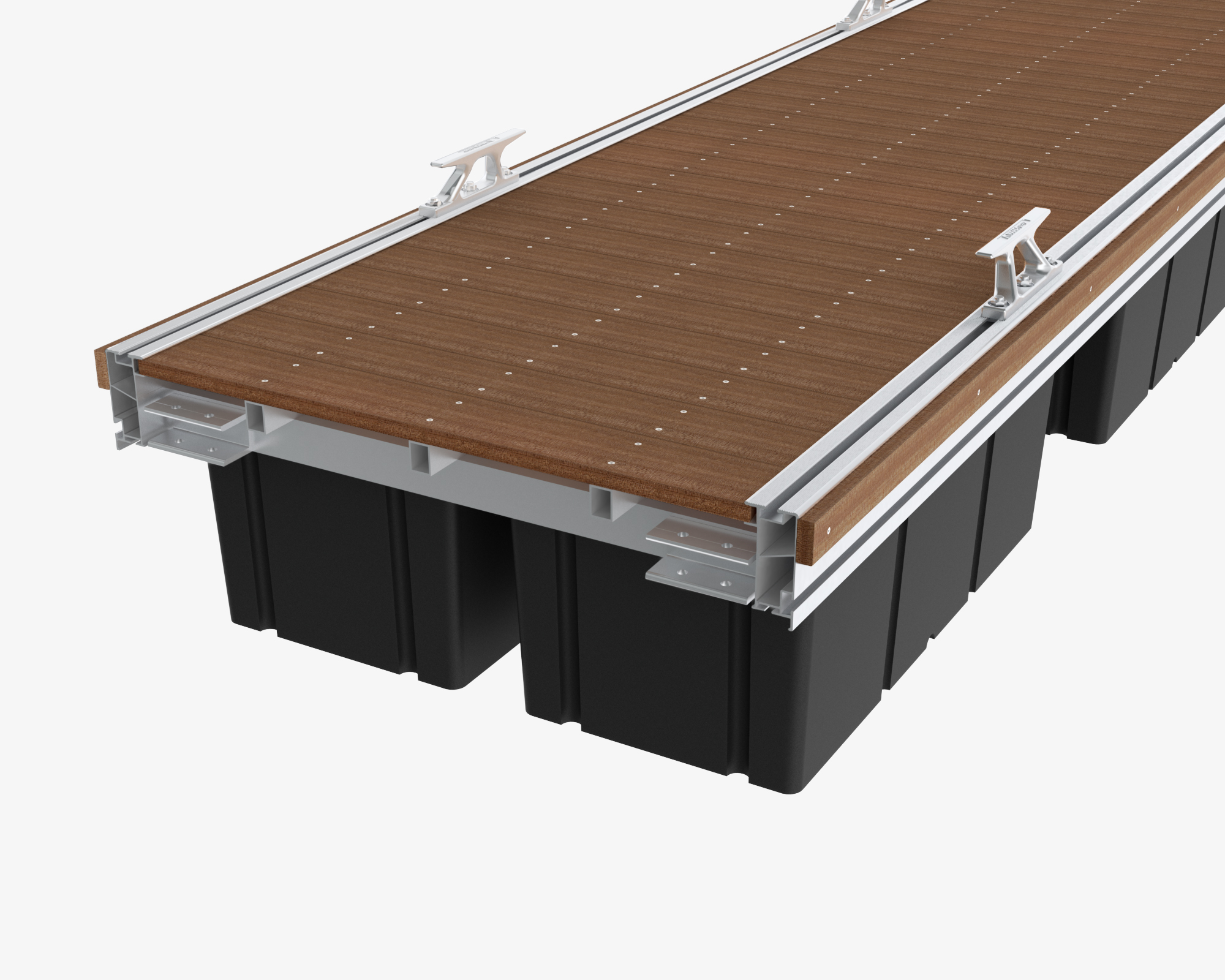
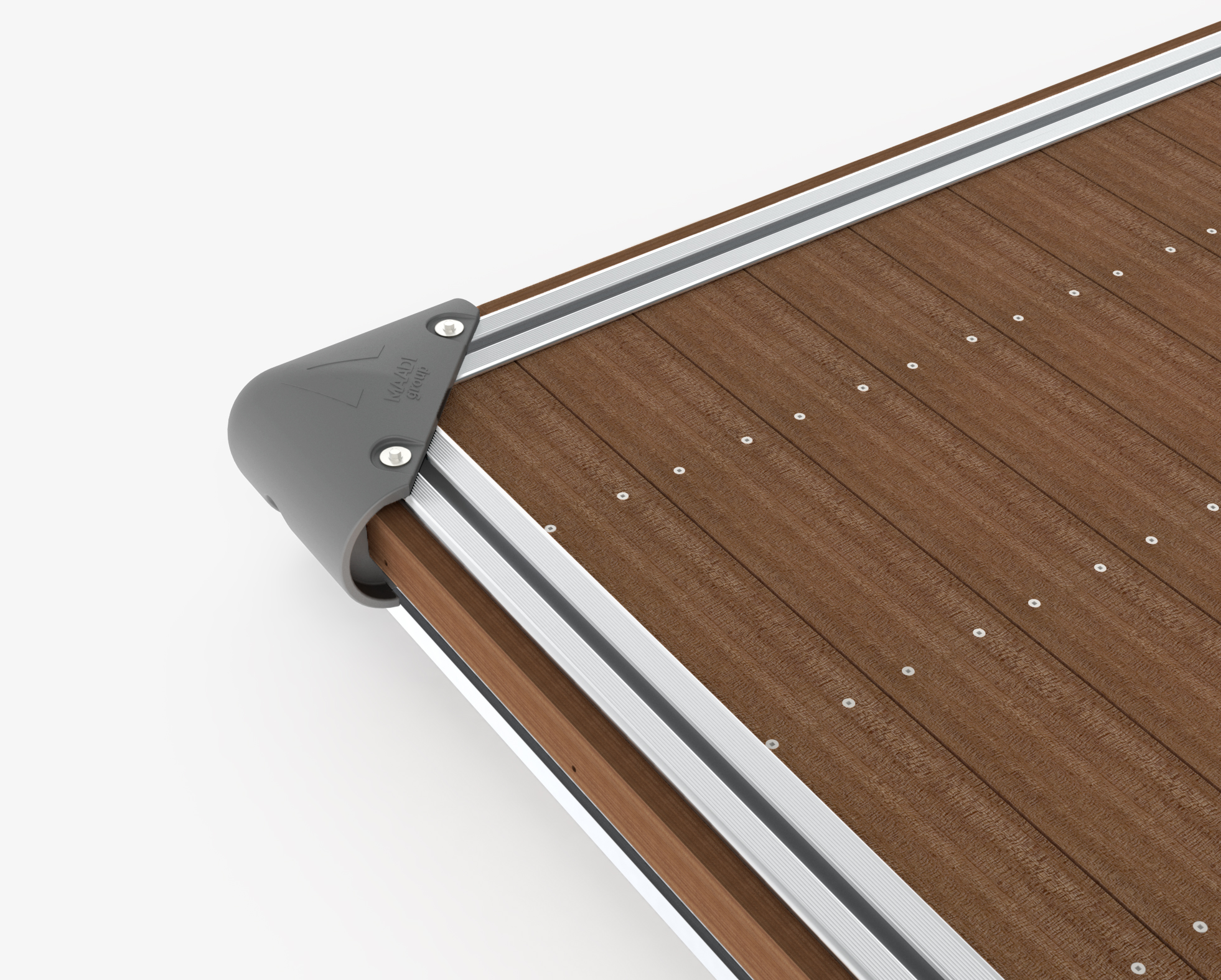
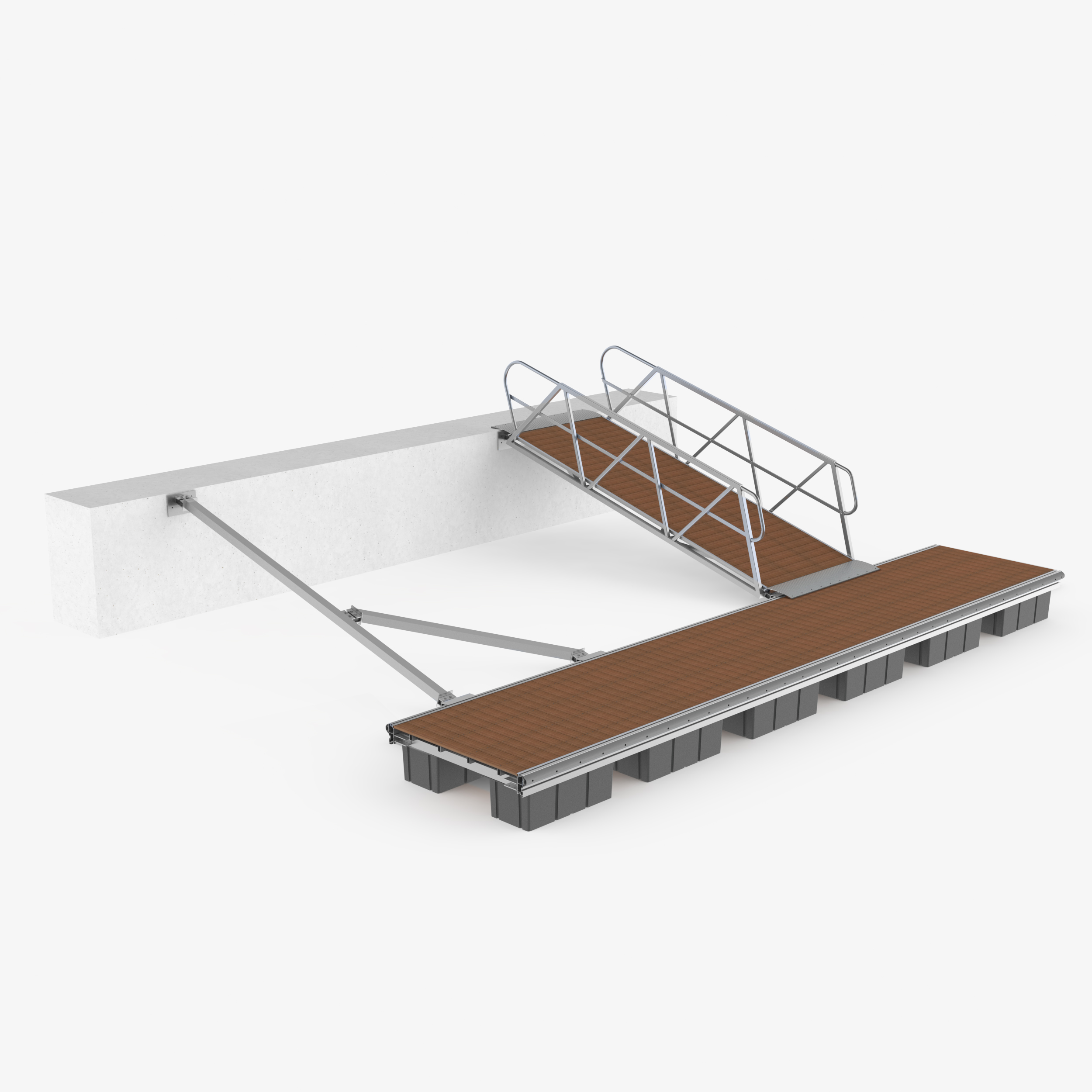
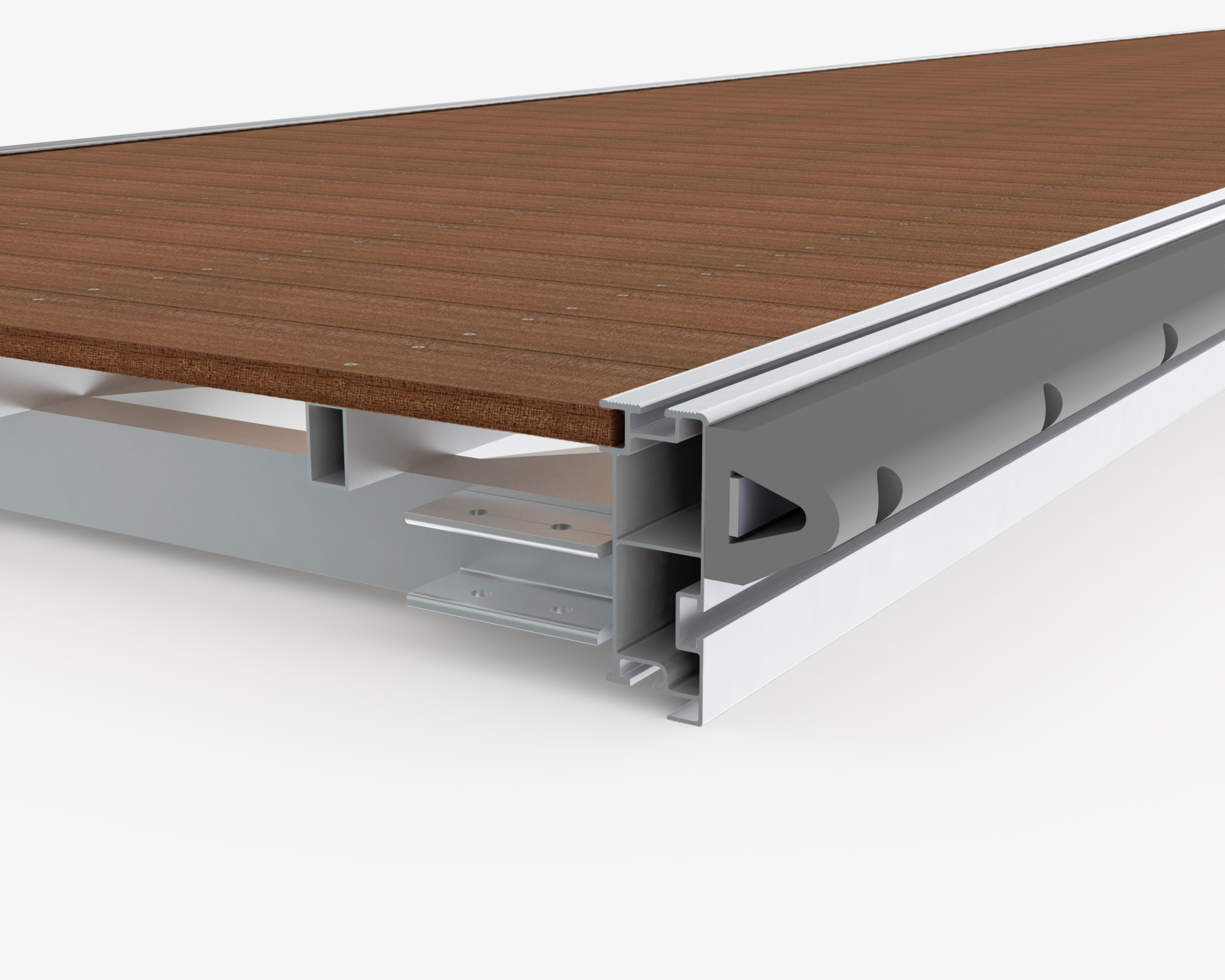
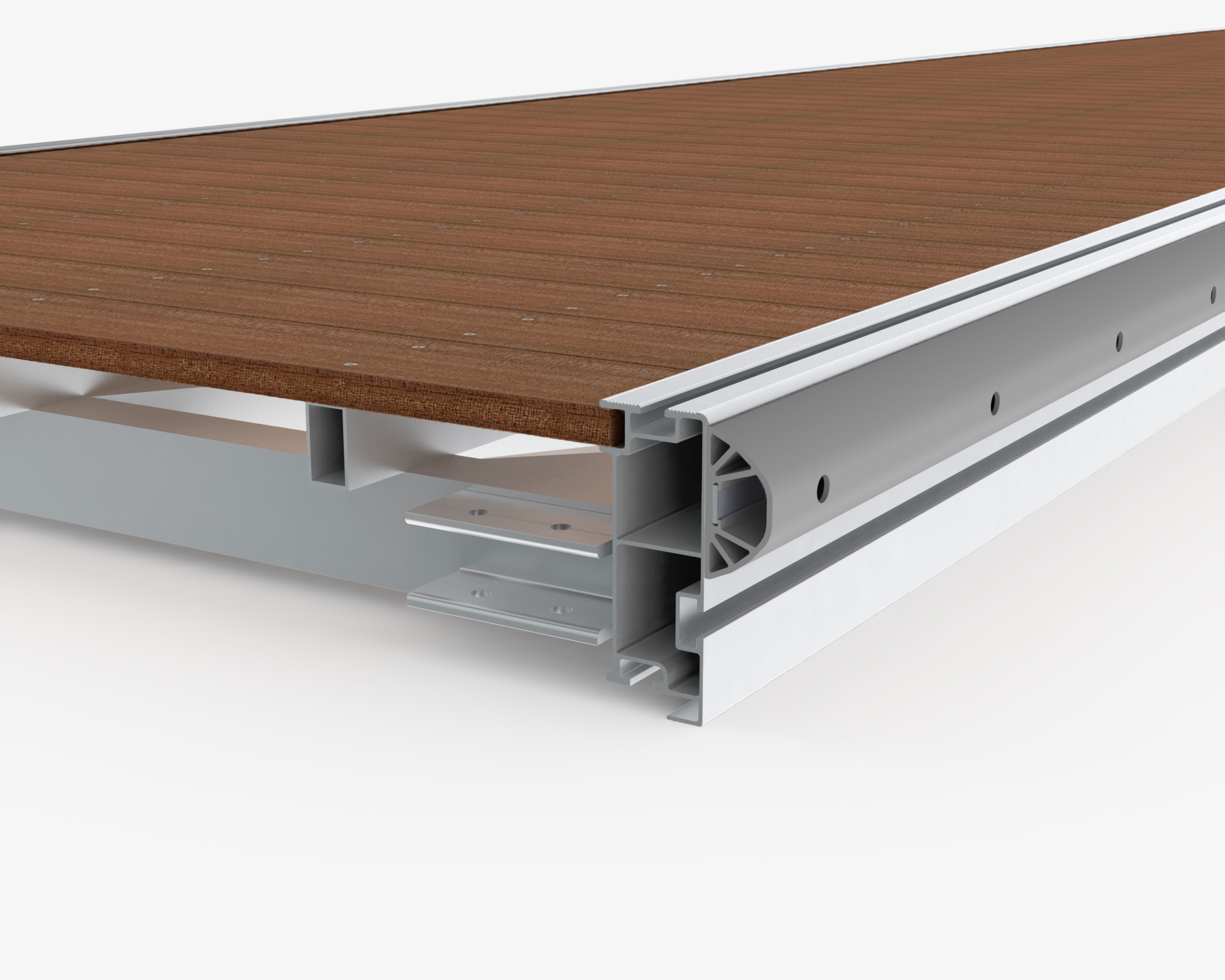
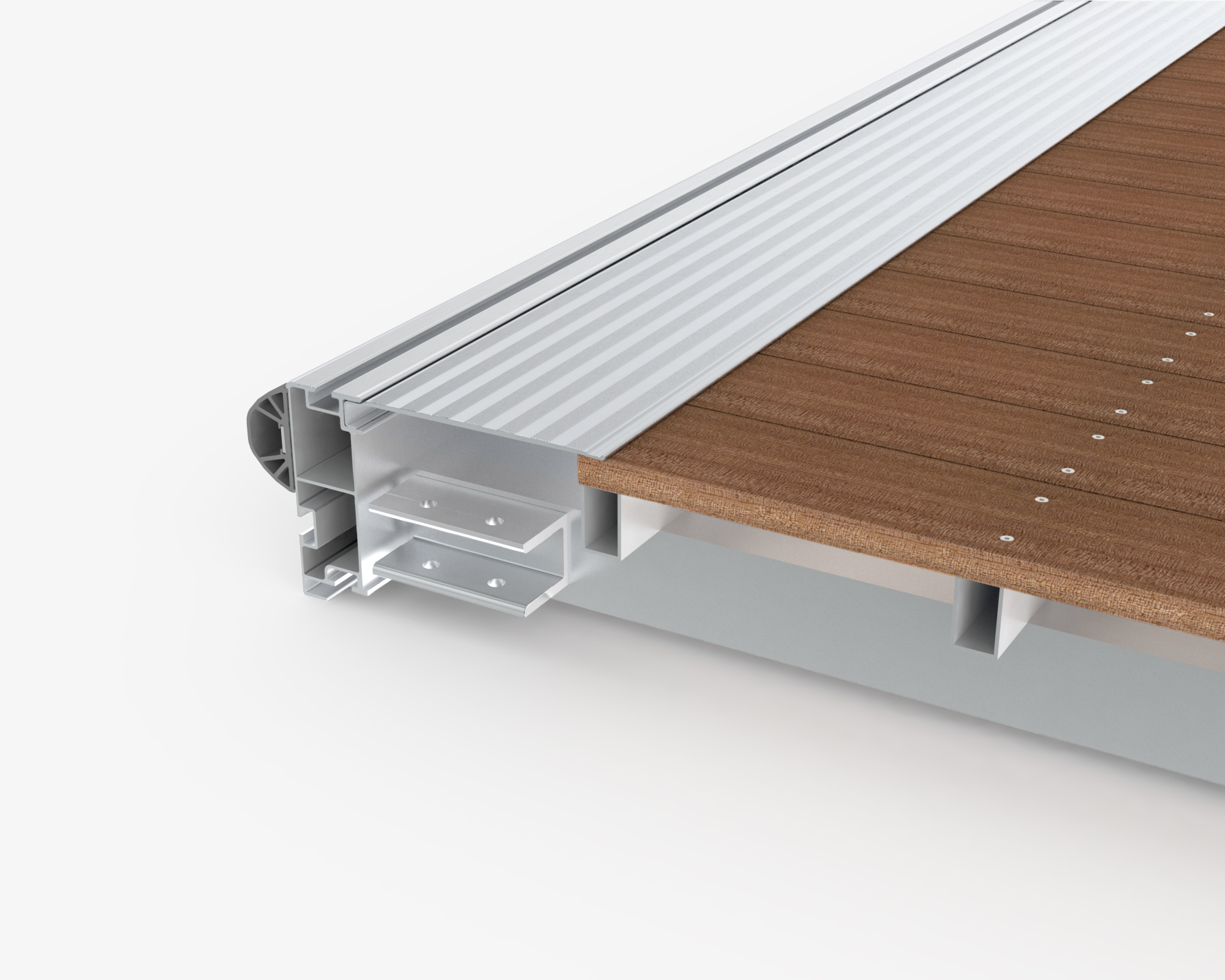
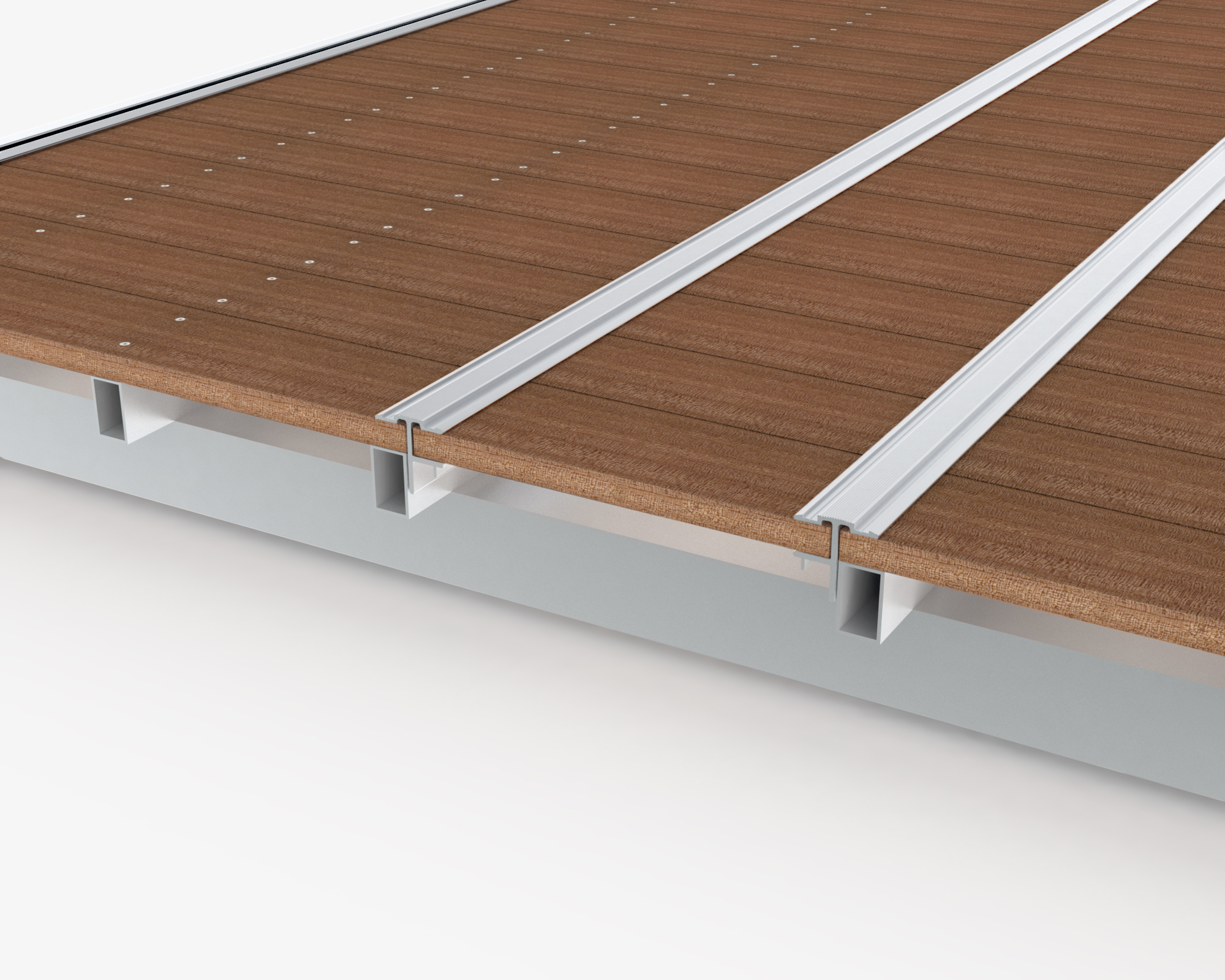
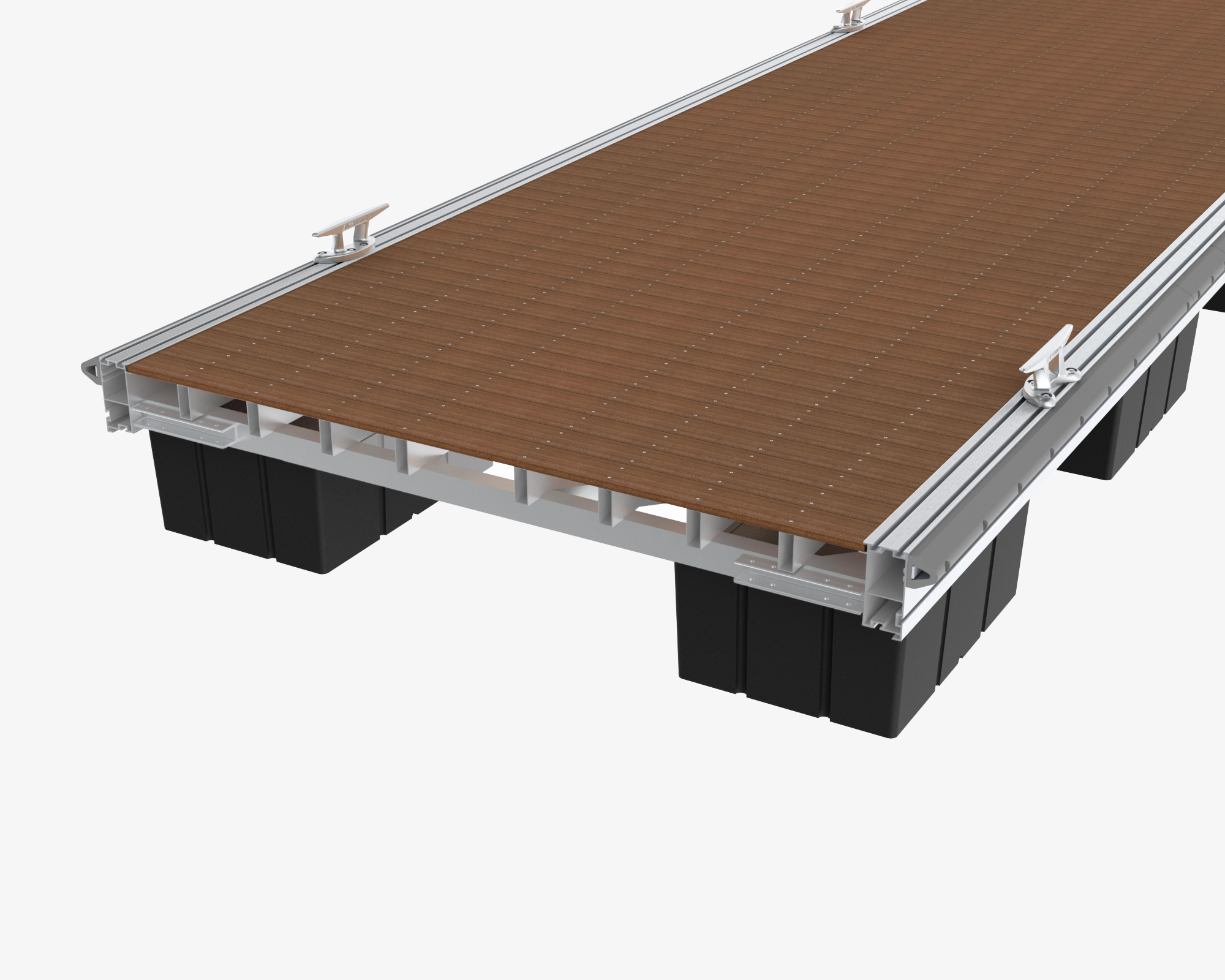
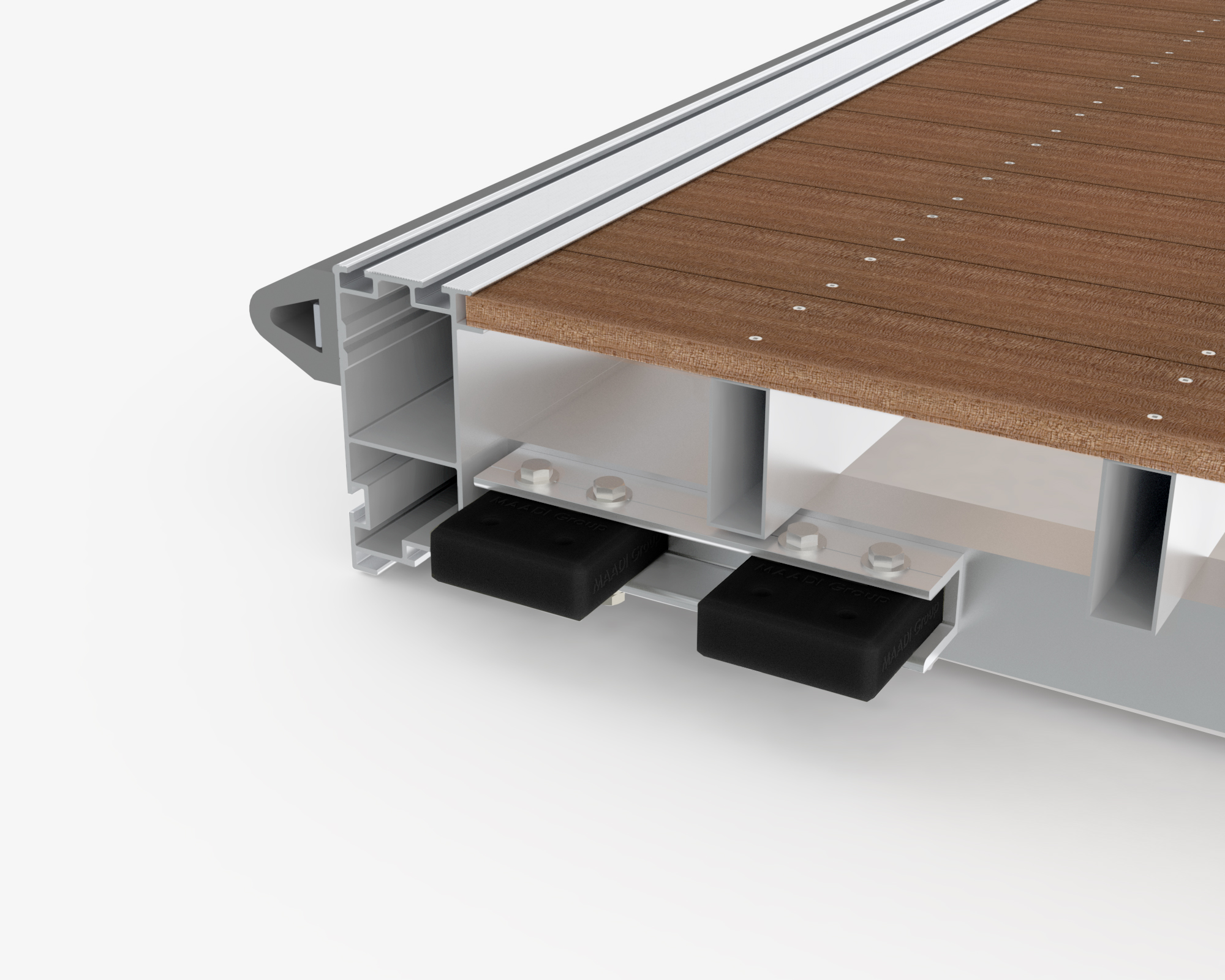
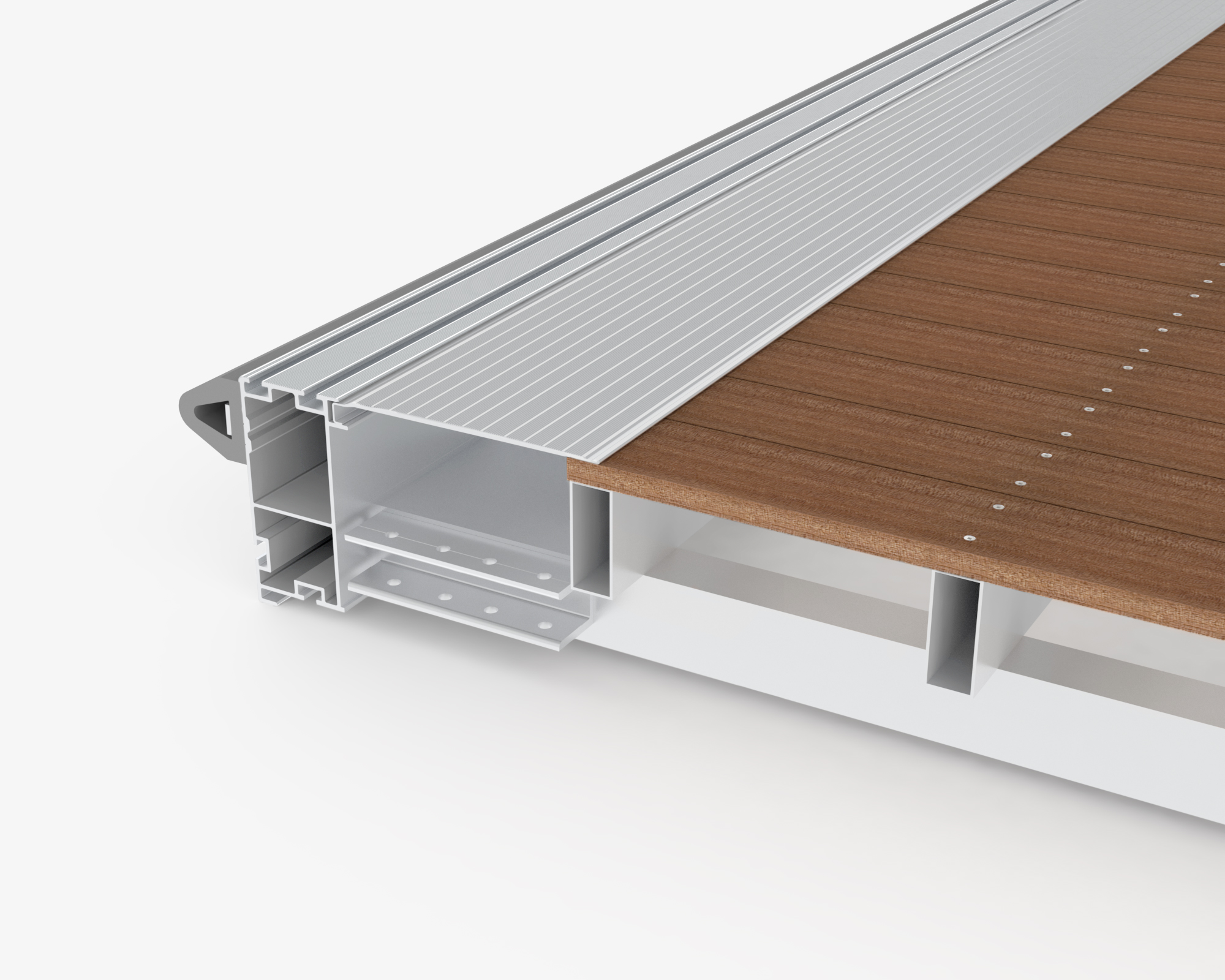
3D rendering of modular Lakeshore floating dock
Troughs
Floats
Connectors
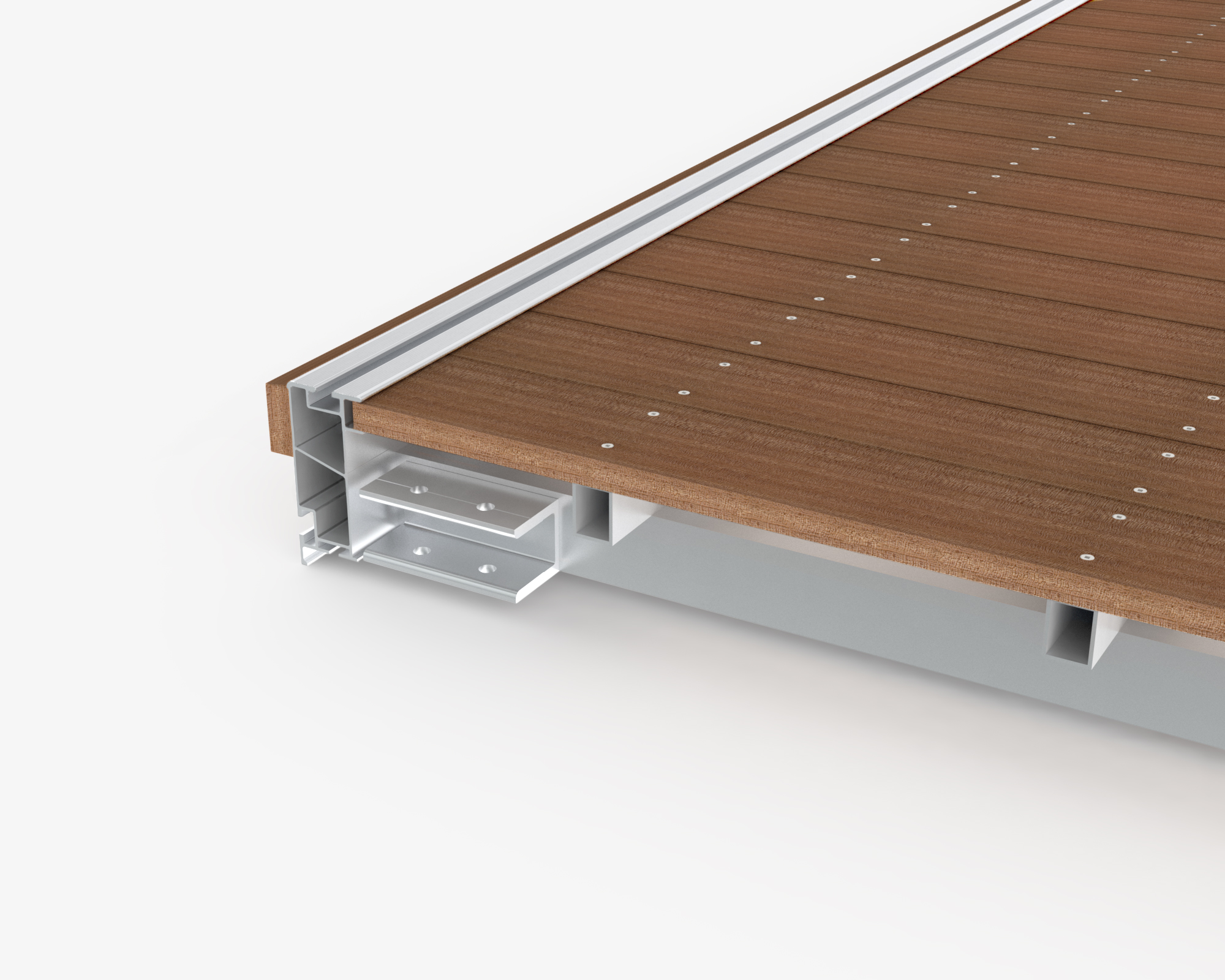
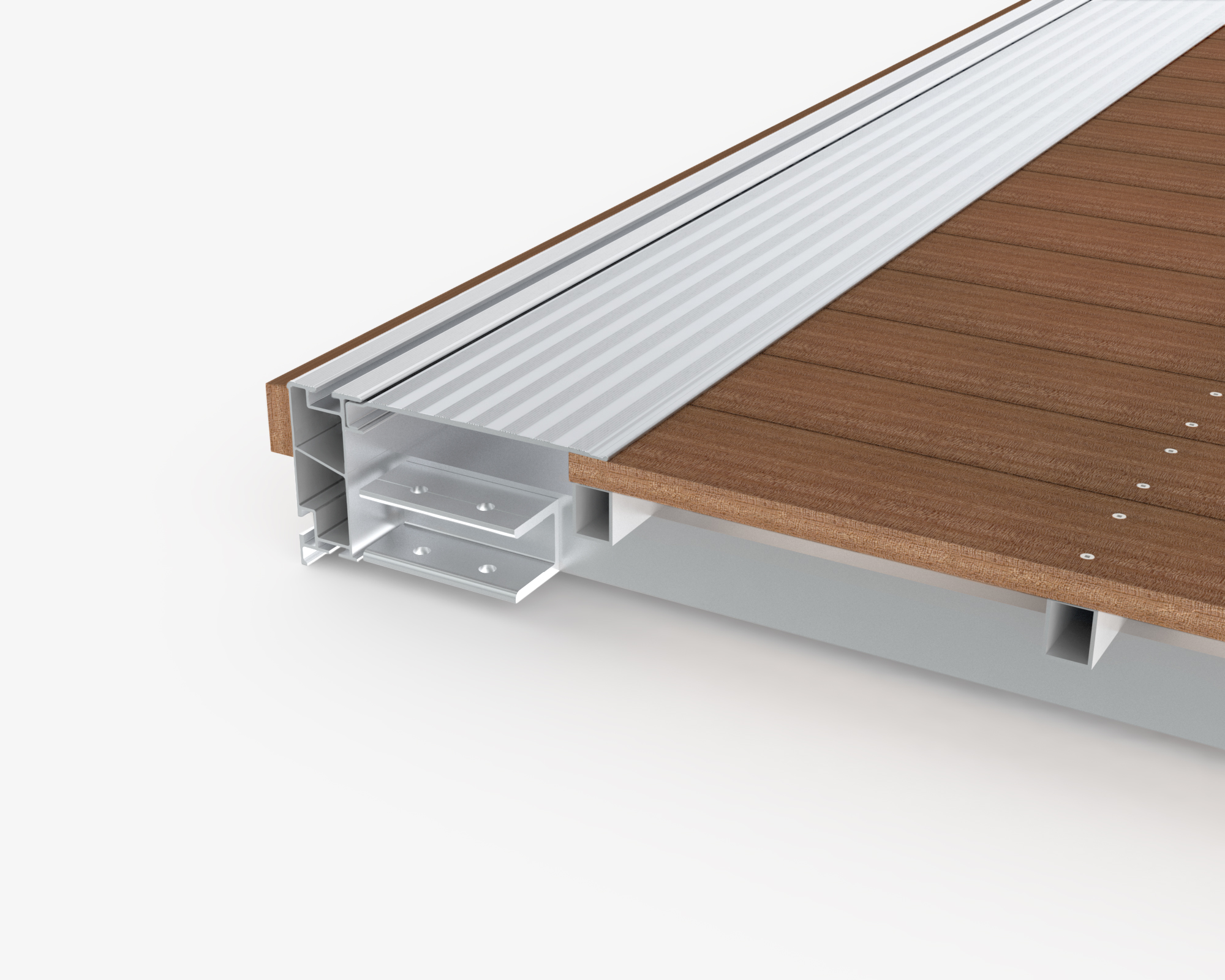
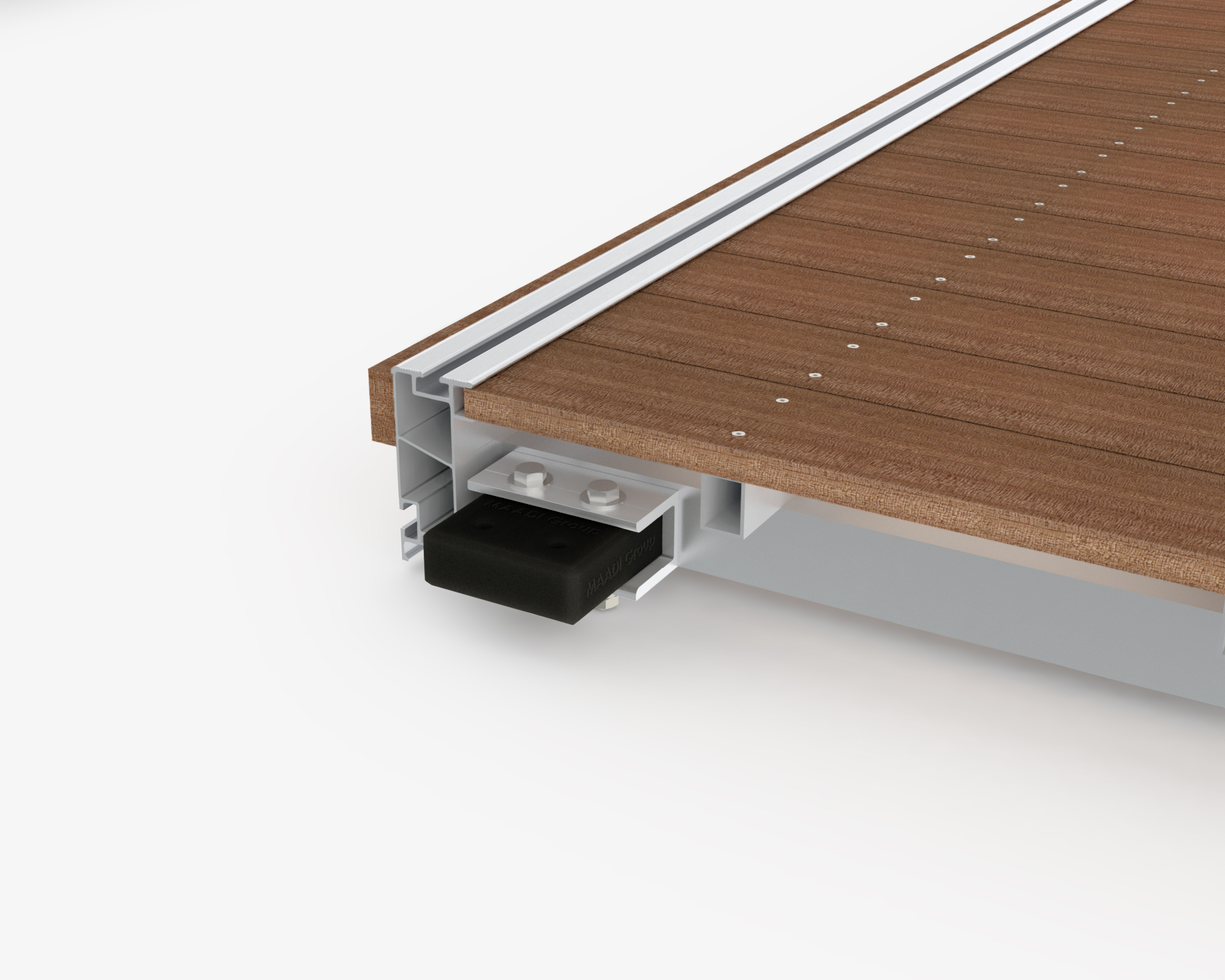
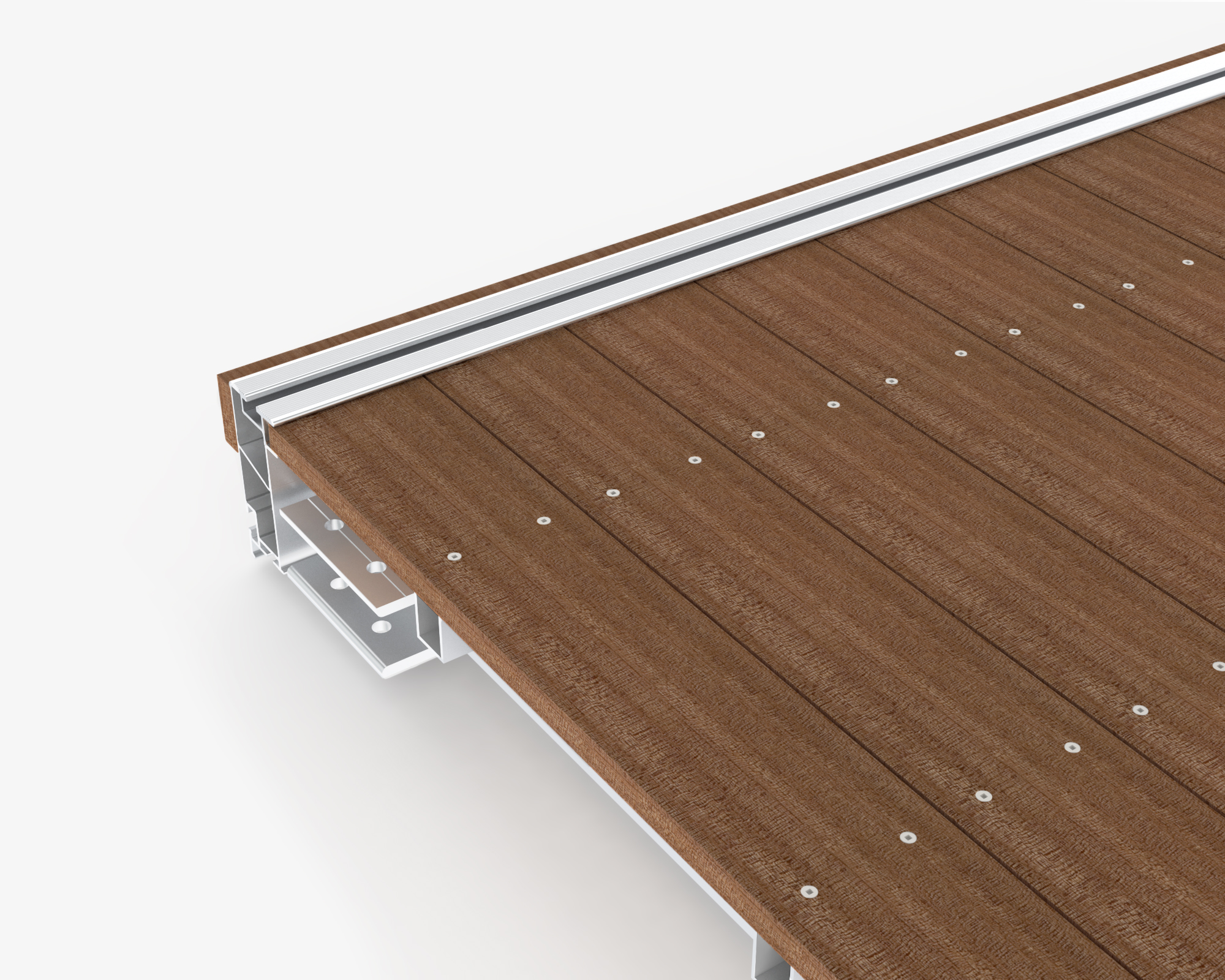
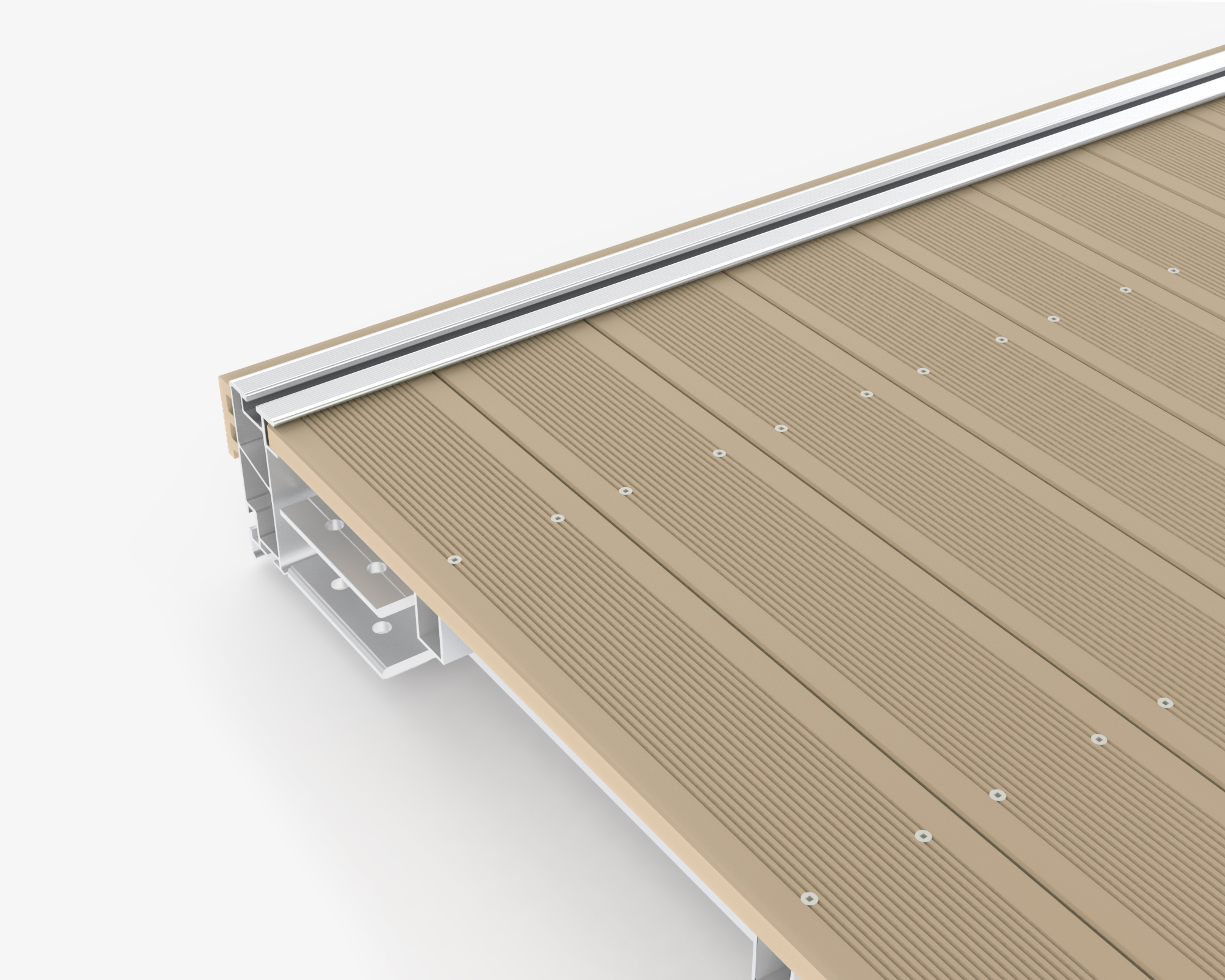
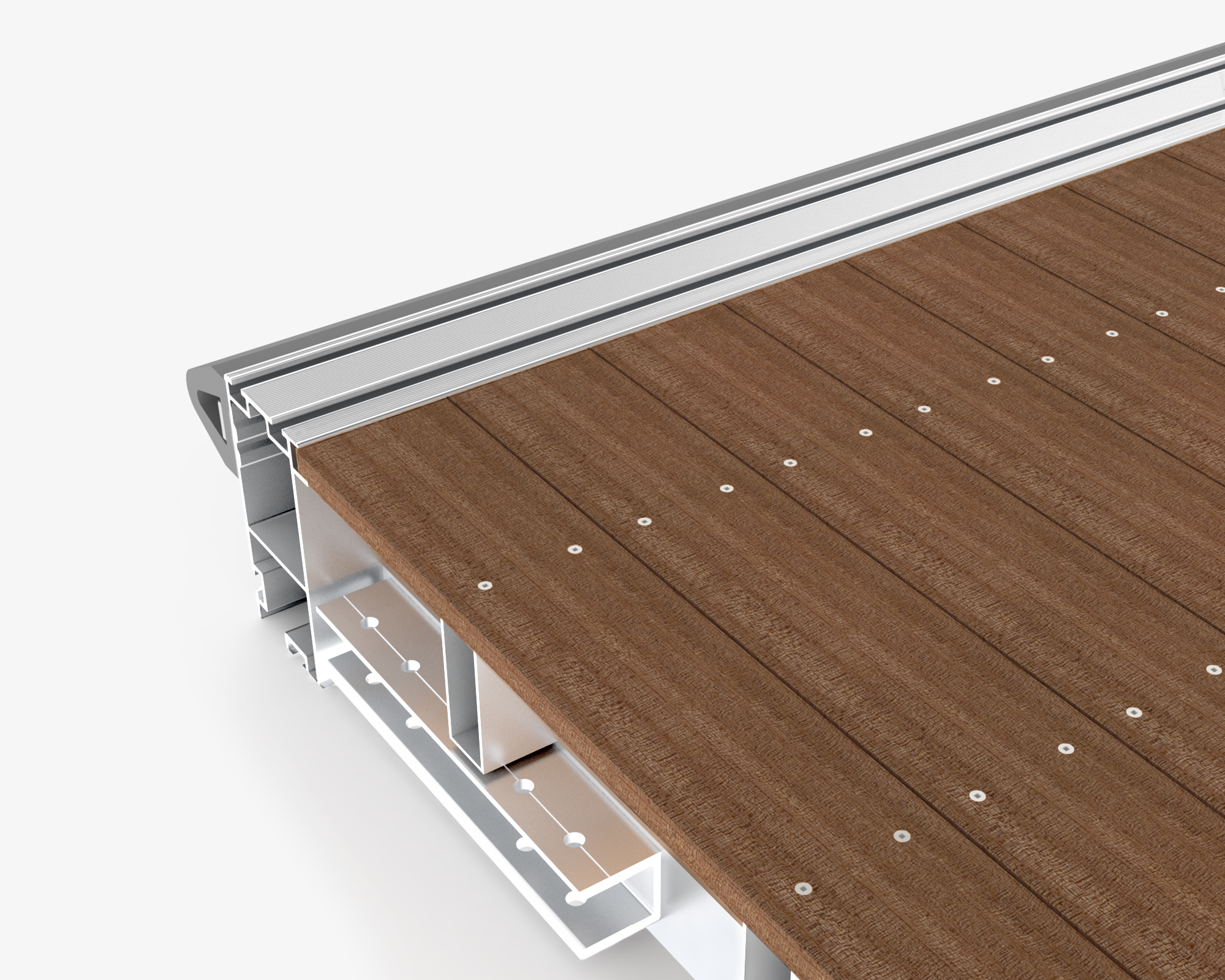
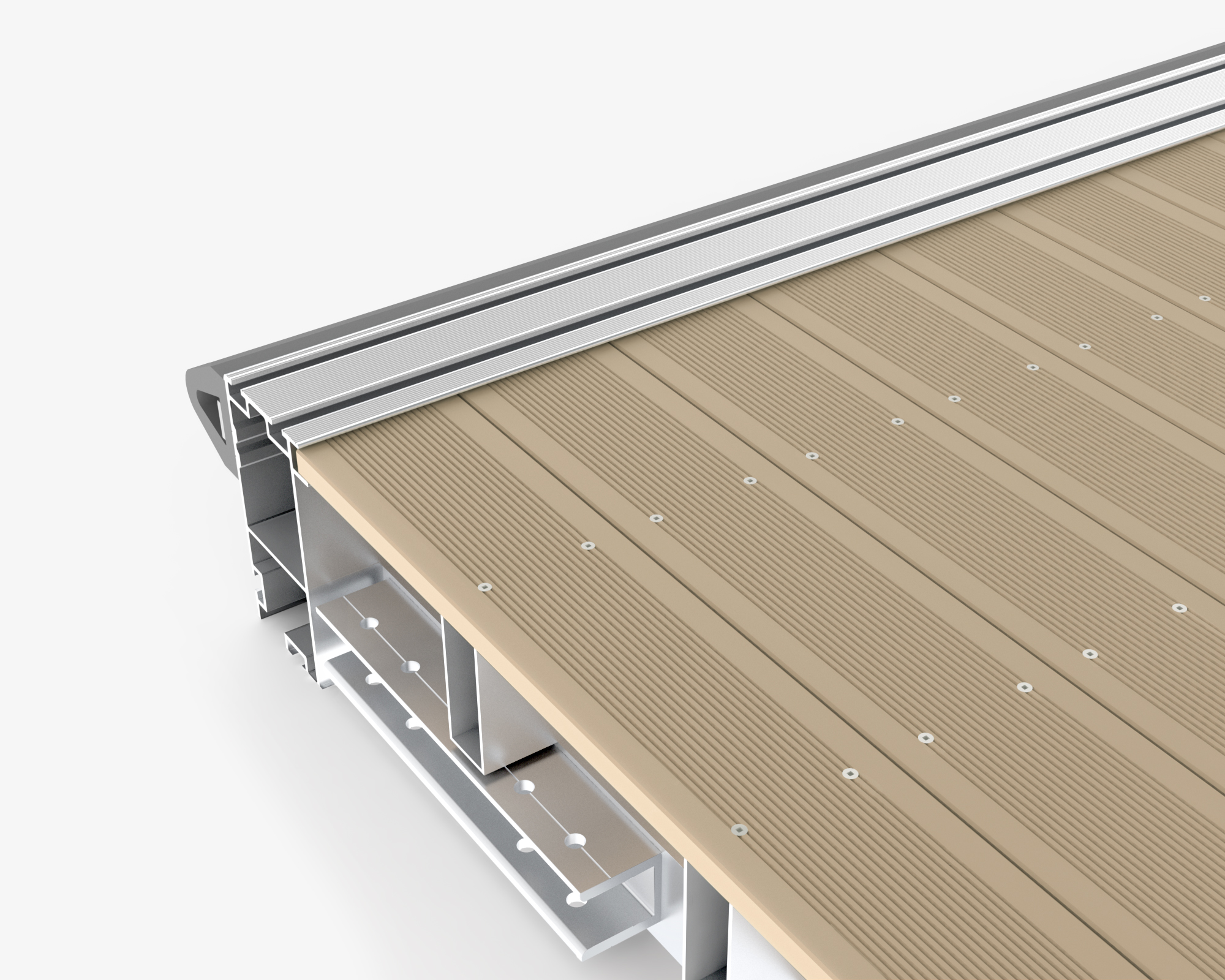
Decking materials
Moorings
Track system
Fenders
Anchoring systems
Great Lakes™

Medium-sized pleasure yachts

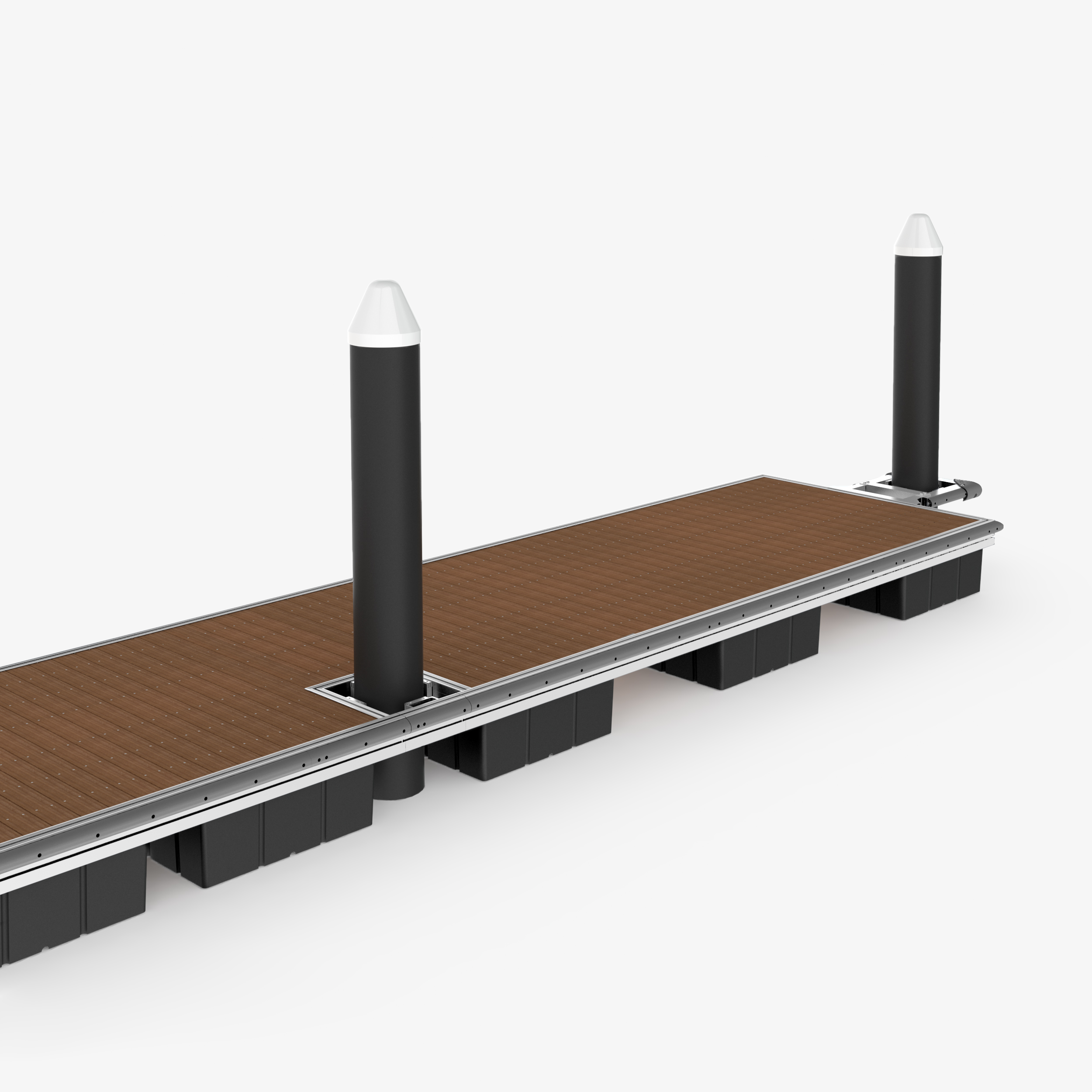
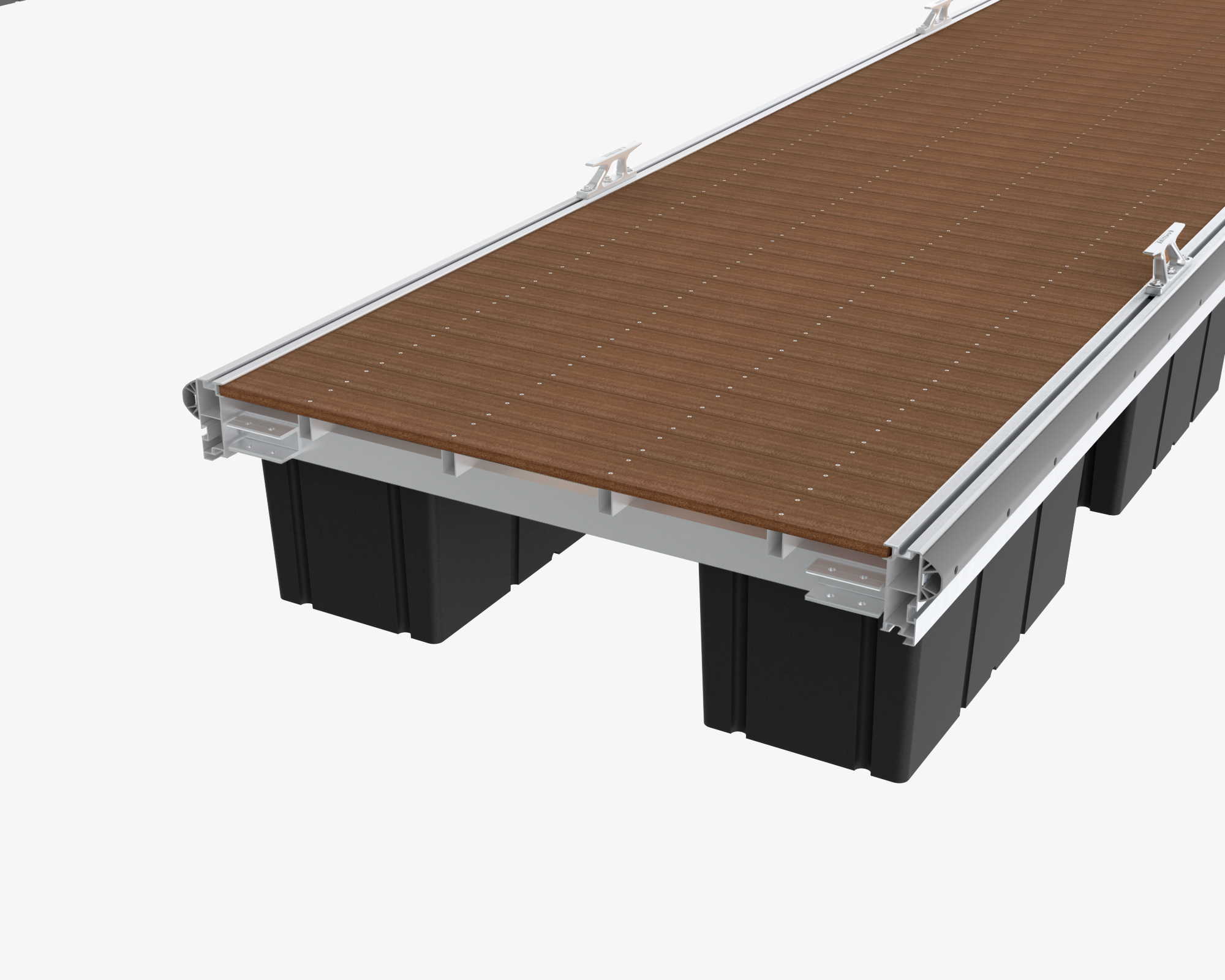
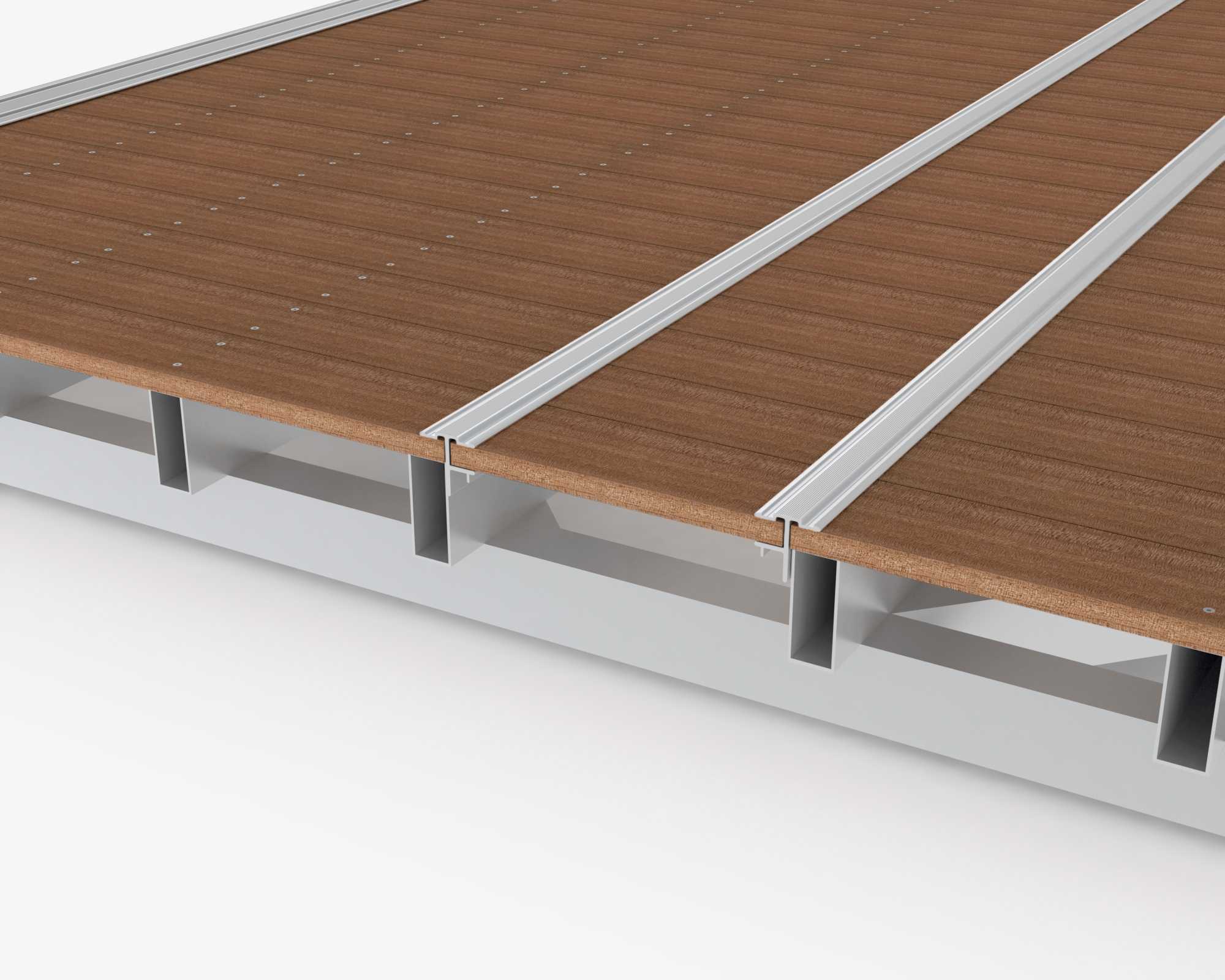
3D rending of Great Lakes floating dock system
Floats
Connectors
Decking materials
Moorings
Track system
Fenders
Troughs
Anchoring systems
Tri Ocean™

Large vessels and mega yachts

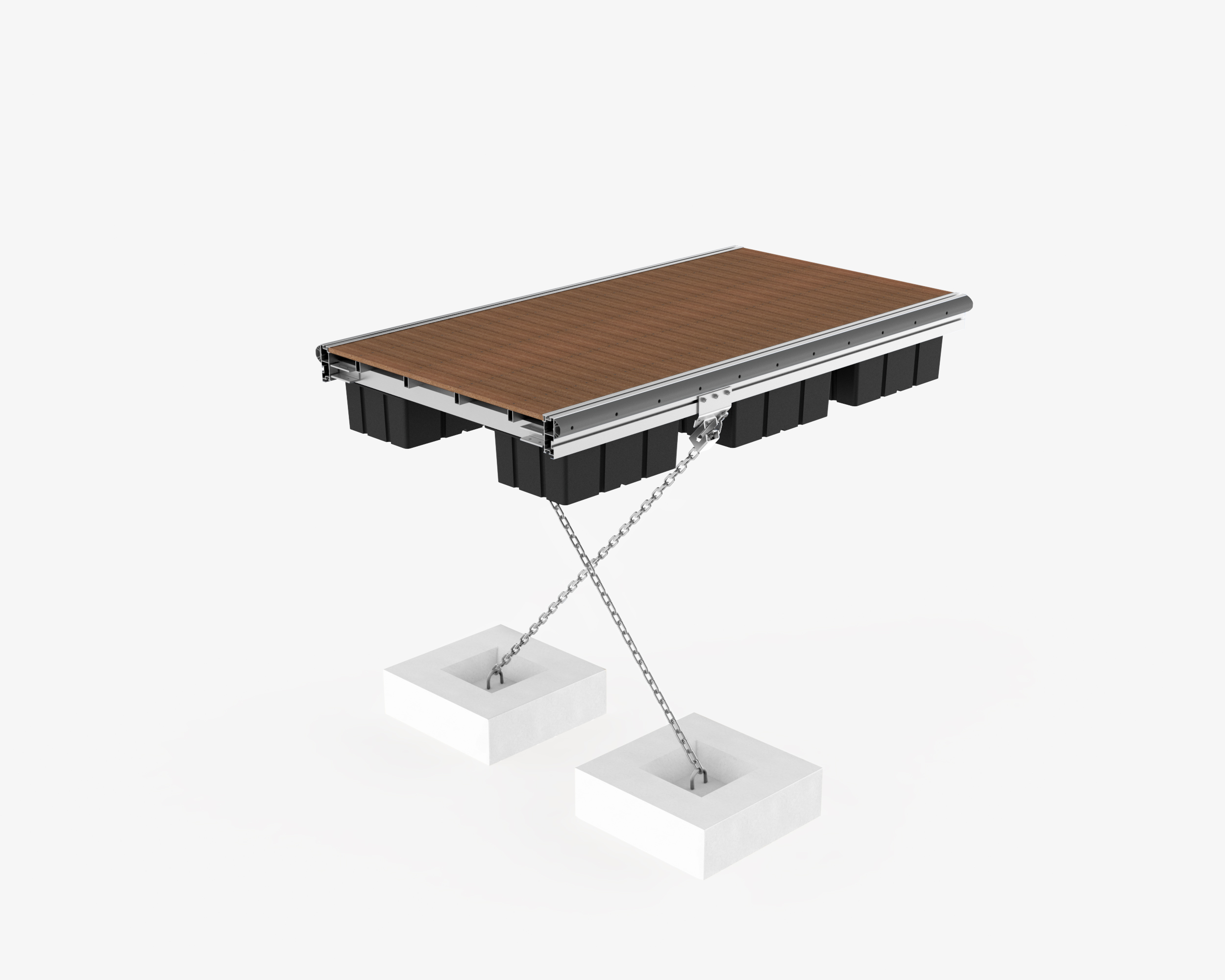
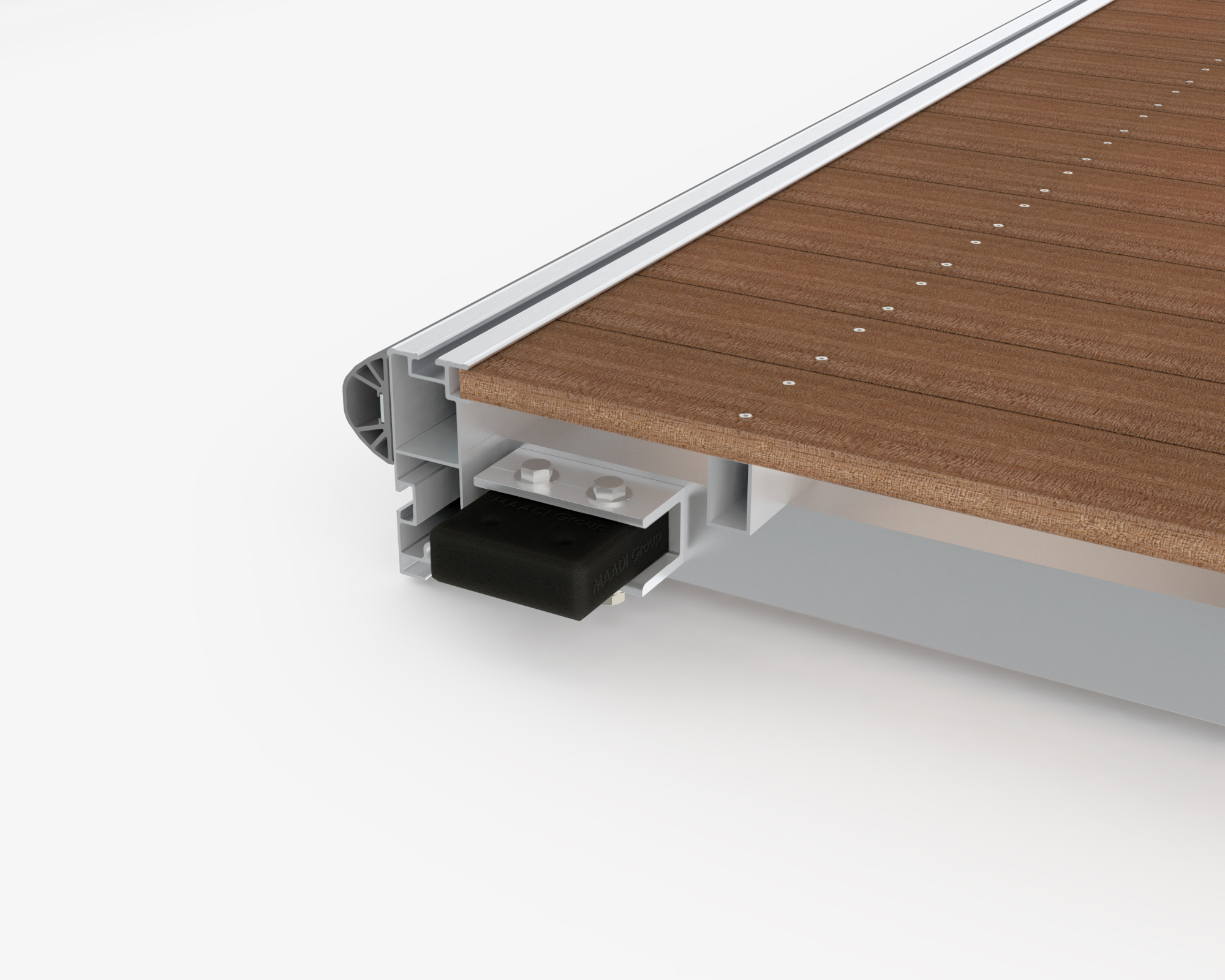
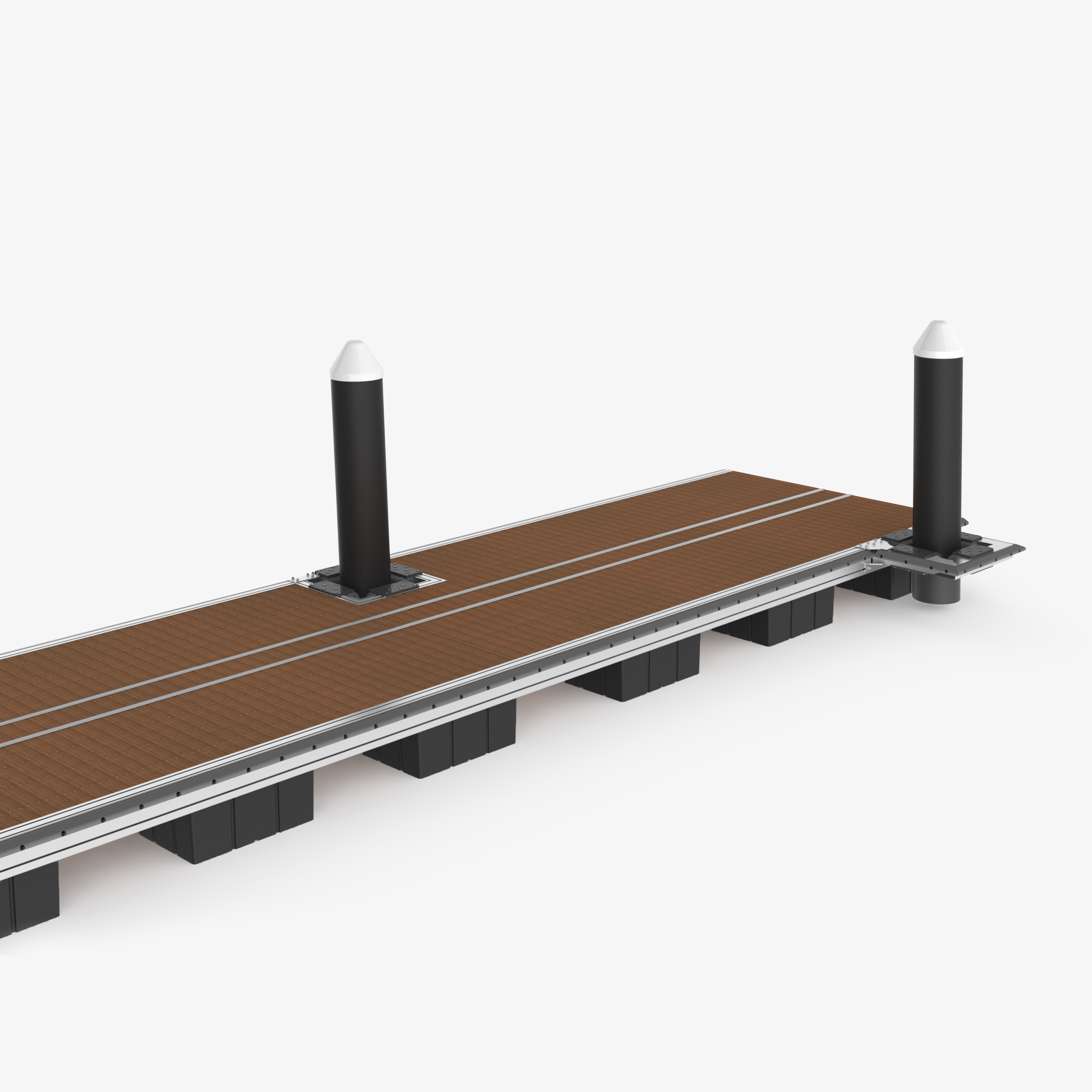
3D rendering of Tri-Ocean floating dock system
Floats
Connectors
Decking materials
Moorings
Track
Fenders
Troughs
Anchoring systems
Compare Systems

Our modular floating dock systems are easily adaptable and configurable to recreational marinas and watercraft.

System characteristics

Lakeshore™ Small pleasure craft and recreational boats

Great Lakes™ Medium-sized pleasure yachts

Tri Ocean™ Large vessels and mega yachts

Boat dimensions From 20' to 40'
(From 6.1 to 12.2 m)
From 20' to 80'
(From 6.1 to 24.4 m)
From 60' to 200'
(From 18.3 to 61 m)
Dock width From 4' to 8'
(From 1.2 m to 2.4 m)
From 4' to 11'
(From 1.2 m to 3.4 m)
From 4' to 16'
(From 1.2 m to 4.9 m)
Dock length Up to 42' (12.8 m) Up to 42' (12.8 m) Up to 42' (12.8 m)
Standard freeboard From 10" to 20"
(From 254 to 508 mm)
From 14" to 24"
(From 356 to 610 mm)
From 16" to 36"
(From 406 to 914 mm)
Reserve buoyancy From 20 to 30 psf
(From 0.96 to 1.44 kPa)
From 30 to 50 psf
(From 1.44 to 2.39 kPa)
From 35 to 80 psf
(From 1.68 to 3.83 kPa)
Vertical load-bearing capacity Up to 100 psf
(4.8 kPa)
Up to 150 psf
(7.2 kPa)
Up to 200 psf
(9.6 kPa)
Horizontal load-bearing capacity 246 psf – 150 lb/ft
(12 kN/m2 – 223 kg/m)
246 psf – 150 lb/ft
(12 kN/m2 – 223 kg/m)
1,337 psf – 1,250 lb/ft
(64 kN/m2 – 1,860 kg/m)
Impact resistance 22-ton boat, 1.6 fps
(0.5 m/s) at 10º angle
absorbed over 3'
(900 mm) of dock length
60-ton boat, 1.6 fps
(0.5 m/s) at 10º angle absorbed over 3'
(900 mm) of dock length
240-ton boat, 1.6 fps
(0.5 m/s) at 10º angle absorbed over 3'
(900 mm) of dock length
Stability Maximum tilt angle: 10º with live load on one side of dock
Weather conditions Severe storms
Winds of 74 mph (120 km/h)
Category 2 hurricane with winds of 110 mph (175 km/h)
Cleats 12" – up to 3,200 lb
(305 mm – up to 14 kN)
12" – up to 3,200 lb
(305 mm – up to 14 kN)
12" – up to 3,200 lb
(305 mm – up to 14 kN)
20" – up to 11,400 lb
(508 mm – up to 51 kN)
Bollards Single bitt: 15" – up to 4,250 lb
(381 mm – up to 19 kN)
Single bitt: 15" – up to 4,250 lb
(381 mm – up to 19 kN)
Double bitt: 15" – up to 14,400 lb
(381 mm – up to 64 kN)
Optional utility trough covers 9" (229 mm) Lateral: 9" (229 mm)
Central: 16" (406 mm)
Lateral: 12" (305 mm)
Central: 16" (406 mm)
Multifunction track system Single rail Single rail Double rail

Expertise you can count on for floating docks

Speedy turnaround

We manufacture our aluminum docks and gangways in our own Canadian plant, with no separate supplier in the chain and a large standing inventory that prevents supply-chain delays.

Experienced engineers

MAADI Group has designed and built hundreds of structural extruded aluminum projects and won the Extrusion Technology Foundation’s Design Competition Award in the structural category, for the third time in 2022. Every floating dock is backed by in-house Registered Professional Engineers and a Certified Welding Engineer, with engineering, design and fabrication and welding procedures held to the highest quality standards.

Built to code

Our design specifications meet local, regional and national building codes and professional standards. Every technical design and calculation for our aluminum marine structures bears the seal of one of our Professional Engineers.

See our services

Guaranteed quality

Backed by 12-year limited warranty on aluminum against material failure, defects, and corrosion

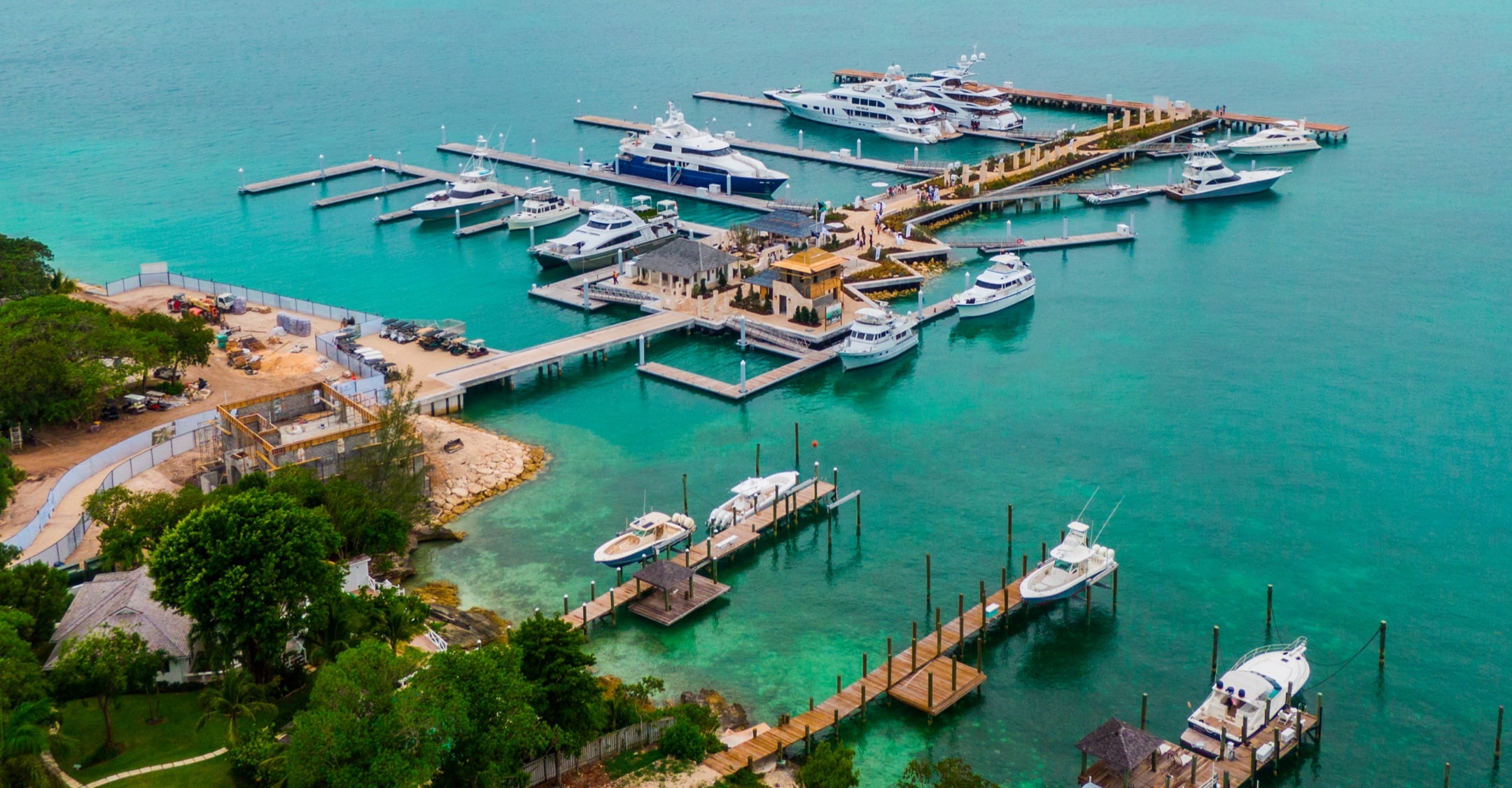
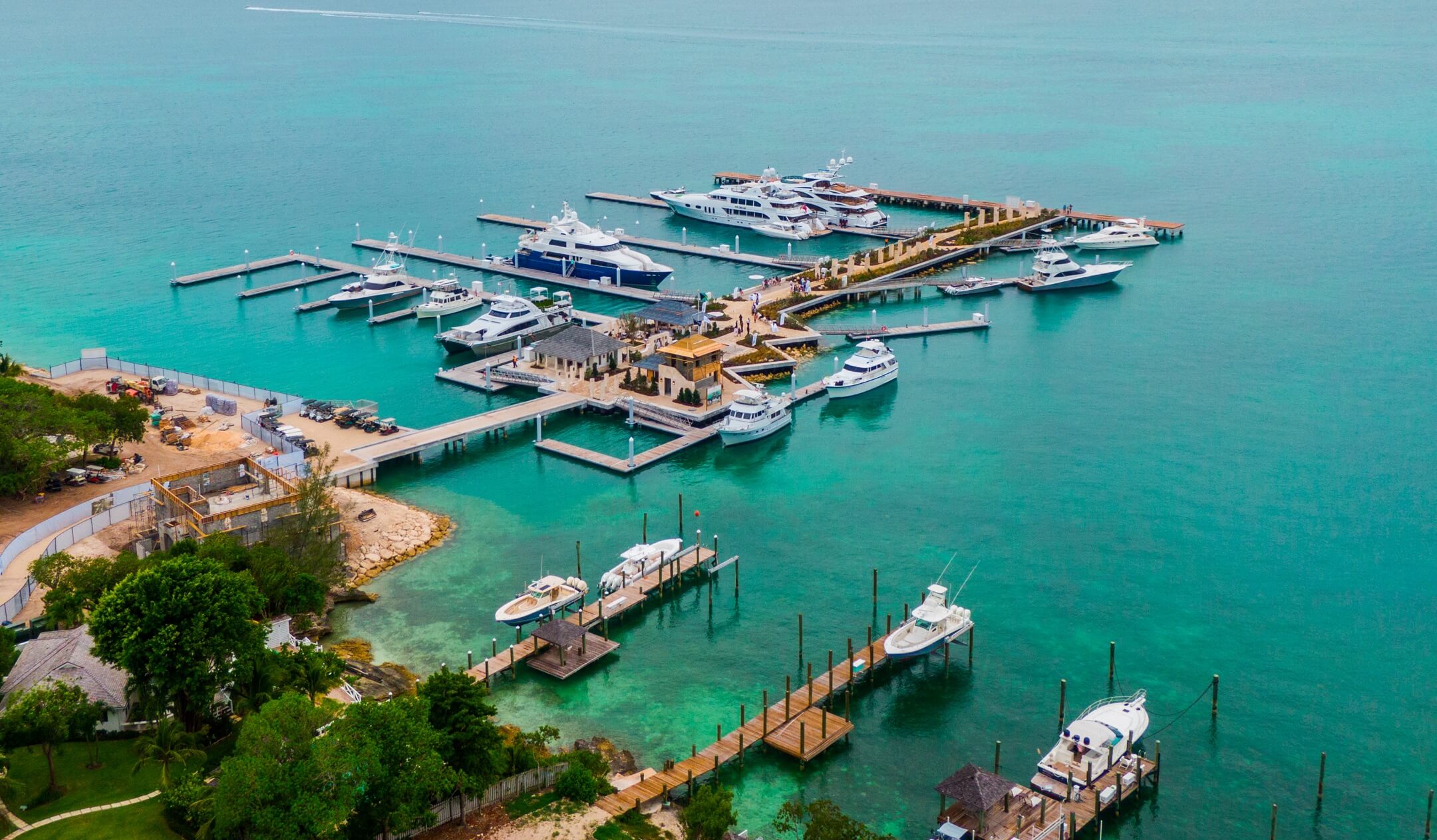
Turnkey aluminum marina with integrated landscaping features in the Bahamas

Sector

Marine Constructions

We’re your partner for a job well done, no matter how much (or how little) of our expertise you need. Our services include full engineering, technical support and manufacturing, planning, and installation.

See our Services
Background Logo
Other Products
See all

FAQs

What is a floating dock, and who is it best for?

A floating dock is a marine access structure supported by engineered flotation, allowing the dock system to rise and fall with changing water levels caused by tides, seasonal variations, or reservoir drawdowns. Unlike fixed docks, floating dock systems maintain consistent freeboard, ensuring safe and accessible boarding conditions regardless of water elevation.

Floating docks are particularly wellsuited for marinas, yacht clubs, resorts, municipal harbors, ferry terminals, and urban waterfront developments, as well as highend residential waterfronts. They provide stable, level access to vessels, accommodate a wide range of boat sizes, and integrate seamlessly with gangways, wave attenuators, utilities, and mooring systems.

When properly engineered, floating dock systems are designed to resist wind, wave action, ice forces, live loads, and longterm environmental exposure, while minimizing maintenance over their service life. Materials such as marinegrade aluminum framing and durable flotation systems make floating docks an ideal solution for projects requiring longevity, adaptability, and a clean, professional aesthetic.

Do you build custom floating docks to fit my waterfront and boat size?

Yes. MAADI Group designs and manufactures fully custom floating dock systems engineered to match your shoreline conditions, marina layout, slip configuration, and vessel mix. Each dock system is tailored to your waterfront geometry, water depth, and environmental exposure, accommodating everything from small recreational craft to larger commercial vessels and superyachts.

Our engineering team works closely with you during the design phase to optimize dock sizing, freeboard, structural capacity, mooring strategy, and access geometry, ensuring safe, efficient, and longterm performance. Sitespecific factors such as wind, wave action, ice loads, utilities integration, and operational traffic are fully incorporated into the engineering process.

MAADI Group offers three distinct floating dock systems, each engineered for specific vessel sizes and environmental demands:

  • Tri Ocean™ — designed for large vessels and highenergy marine environments
  • Great Lakes™ — engineered for heavy saltwater or freshwater conditions and variable water levels
  • Lakeshore™ — optimized for protected waters and recreational applications

Our floating dock systems can be customized with a wide range of finishes and functional features, including:

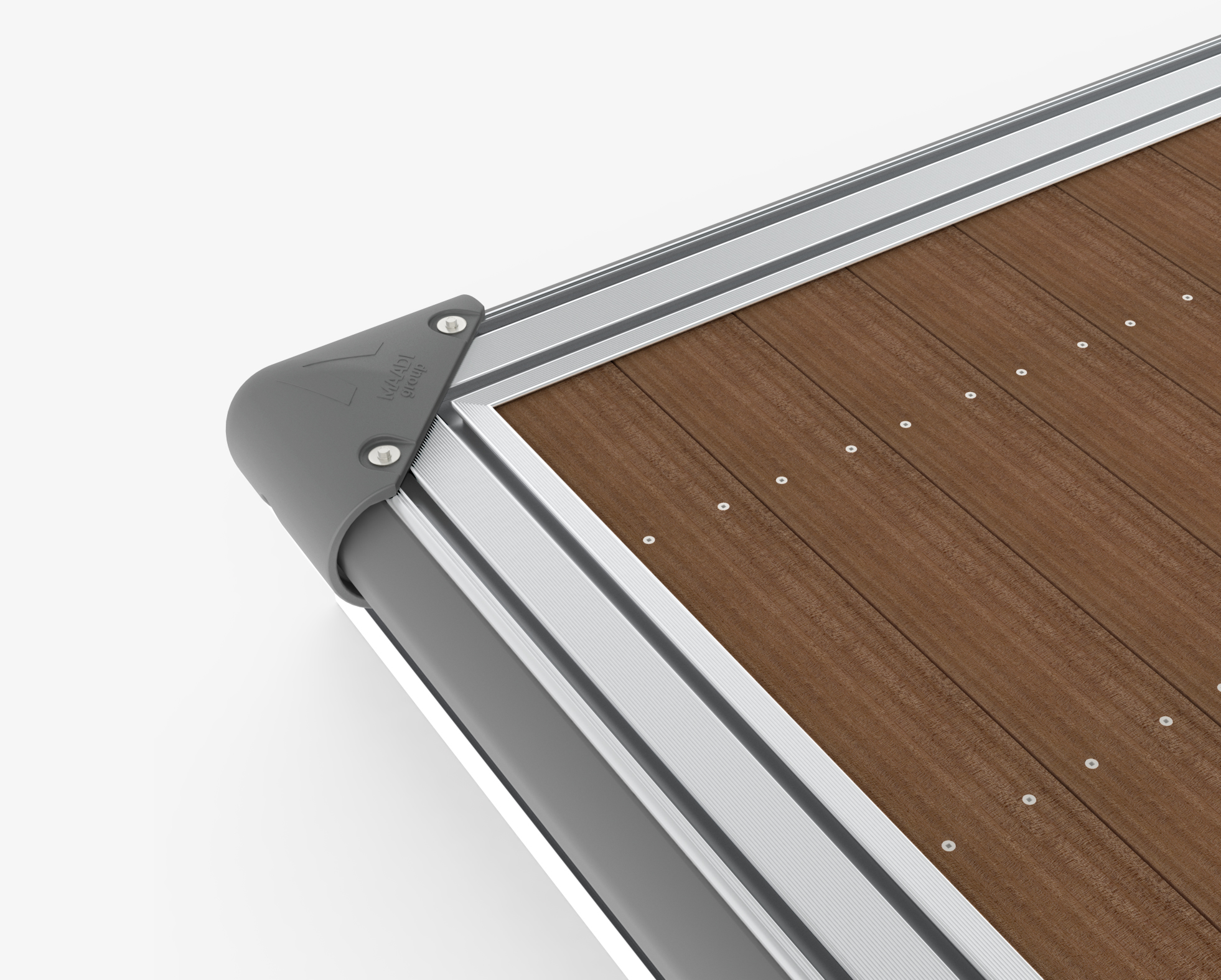
  • Decking systems (composite, aluminum, exotic hardwoods, or specialty surfaces)
  • Integrated or external piles and pileguide systems, including ShockGUARD™ energyabsorbing technology to protect longterm infrastructure
  • Fender systems for small craft, large vessels, or commercial operations
  • Cleats, bollards, and mooring hardware sized for design vessel loads
  • Integrated LED lighting for safety, visibility, and aesthetics
  • Clearanodized, highend MakeABridge™ gangways or welded aluminum Gangways
  • Utility trough covers and hatch systems, including concealed fuel dock Infrastructure
  • Additional marina accessories tailored to operational requirements

Each custom floating dock system is engineered, fabricated, and qualitycontrolled in Canada, delivering a solution that combines precision engineering, durability, and a clean, professional marina appearance—built to perform reliably for decades.

Why choose an aluminum floating dock instead of wood or plastic?

An aluminum floating dock is a longterm marine infrastructure solution engineered for durability, structural performance, and low lifecycle cost in demanding waterfront environments. Compared to wood, steel, concrete, or plastic systems, aluminum floating docks offer a superior balance of strength, corrosion resistance, adaptability, and minimal maintenance.

Superior Corrosion Resistance in Marine Environments

Marinegrade aluminum naturally forms a protective oxide layer that provides excellent resistance to corrosion in saltwater, brackish water, and freshwater environments. Unlike steel, aluminum does not rely on heavy coatings or cathodic protection systems to achieve long service life, making it especially wellsuited for coastal marinas, harbors, and waterfront infrastructure.

Structural Strength Without Excess Weight

Compared to plastic dock systems, aluminum provides a rigid, engineered structural frame capable of supporting higher live loads, vessel berthing forces, and sustained heavy foot & kart traffic. At the same time, aluminum is significantly lighter than steel or concrete, reducing overall system mass without compromising strength.

This lower weight and favorable strengthtomass ratio result in reduced inertia loads, which is particularly beneficial in highenergy and hurricaneprone environments. Unlike concrete, aluminum structures respond more flexibly to dynamic forces, helping to preserve pile anchoring systems, connections, and overall structural behavior during extreme wind and wave events.

The reduced structural mass also lowers flotation requirements, improves dock responsiveness to wave action, and simplifies installation, relocation, and future system expansion—making aluminum floating docks a superior solution for both performancecritical and longterm marina infrastructure.

Reduced Maintenance Compared to Wood

Wood docks are susceptible to rot, warping, splitting, insect damage, and frequent refinishing, particularly in wet or freezethaw climates. Aluminum floating docks eliminate these failure modes entirely, resulting in lower maintenance costs, improved safety, and longer replacement intervals over the life of the dock system.

Design Flexibility and LongTerm Adaptability

Aluminum floating docks are modular by design, allowing systems to be expanded, reconfigured, or relocated as marina layouts, vessel sizes, or operational needs evolve. This level of flexibility is difficult to achieve with concrete docks and far more structurally reliable than many plastic systems when scaling for larger vessels or commercial Operations.

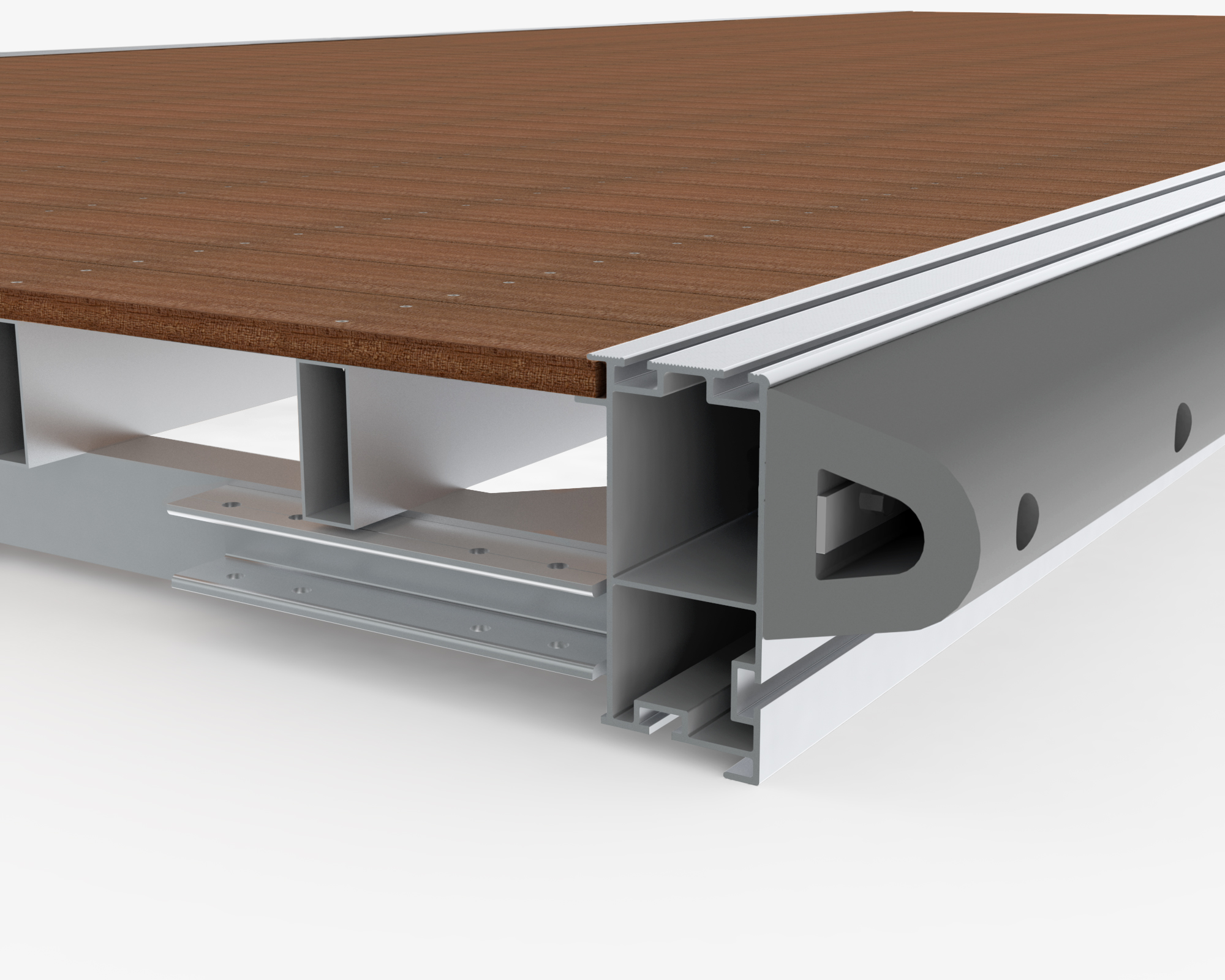
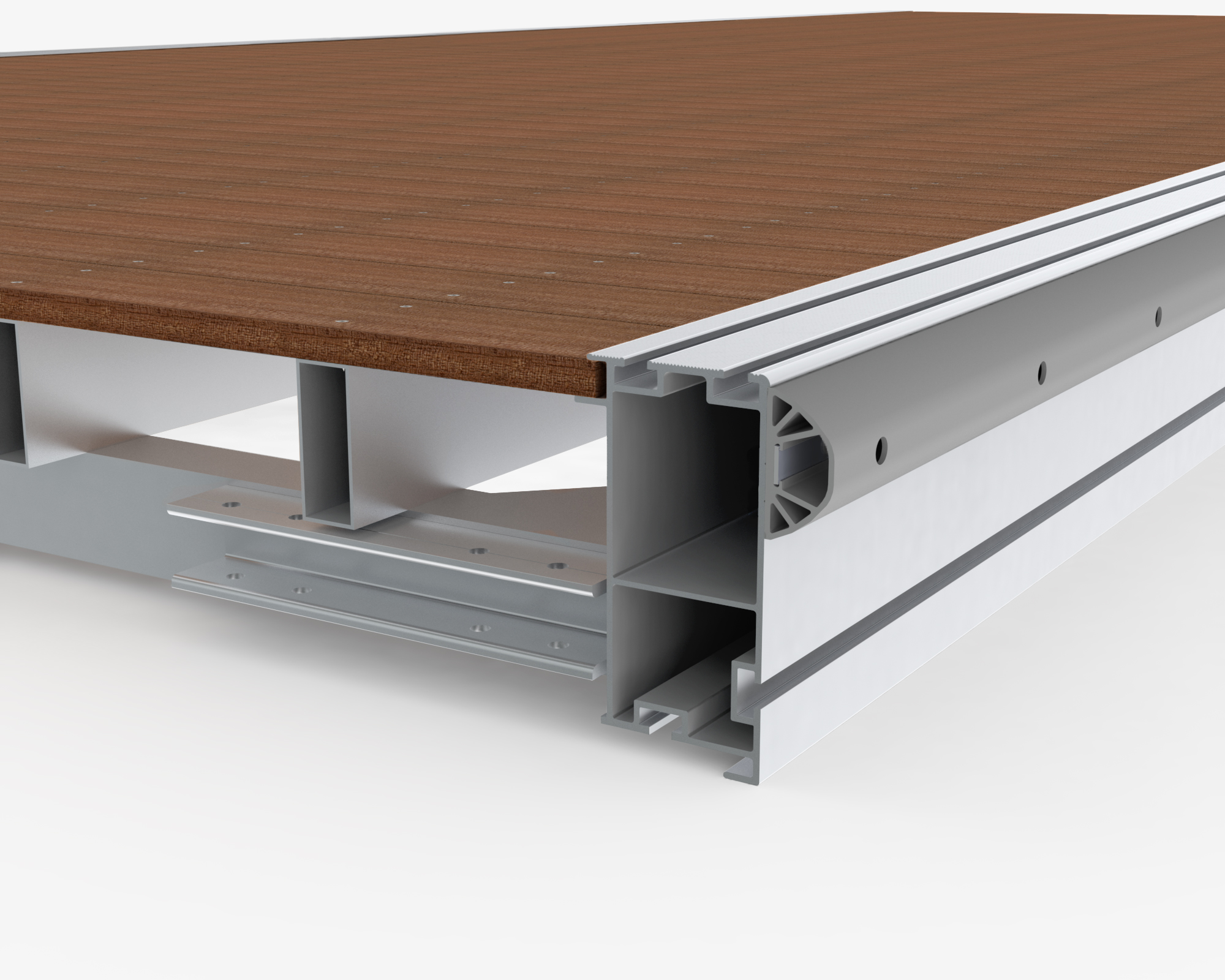
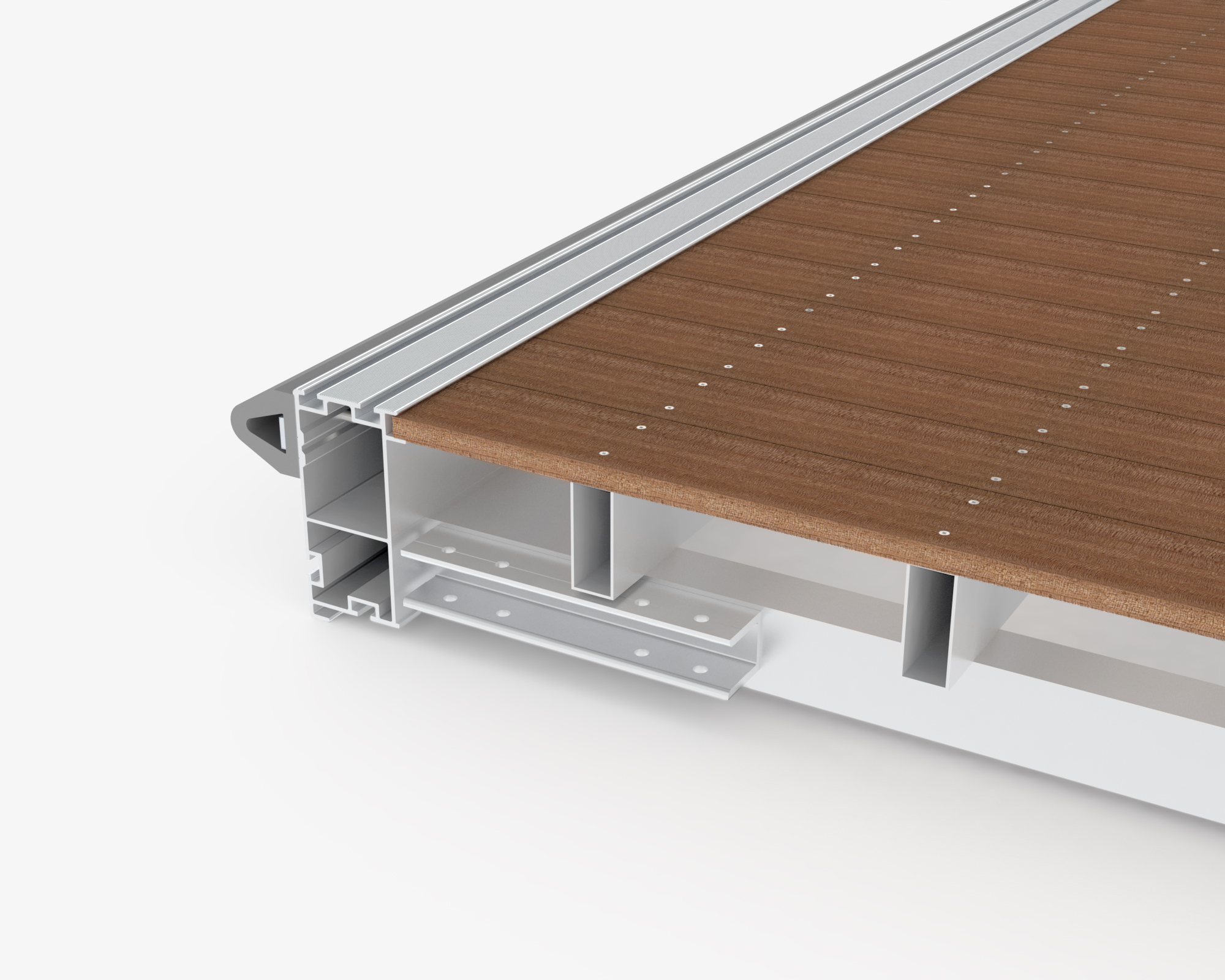
In addition, the aluminum extrusion process enables advanced structural features that are not achievable with other materials. These include integrated track systems that allow easy repositioning of accessories such as cleats, bollards, ladders, and external pile guides, as well as internal service chases, inspection ports, portholes, and variable wall thickness in highstress regions—optimizing structural performance exactly where it is required.

Engineered for Performance and Longevity

When properly engineered, aluminum floating docks are designed to withstand wind and wave loads, ice forces, vessel impact loads, and continuous environmental exposure. The result is a dock system with predictable structural behavior, long service life, and a clean, professional appearance that enhances both operational performance and asset value.


Can your floating docks be expanded later if I need more space?

Yes. MAADI Group’s floating dock systems are modular and can be reconfigured, which makes it easy to add sections, extend walkways, or adjust the layout as your waterfront needs grow.

Do you deliver and install floating docks, or do I need my own installer?

You’ve got options. MAADI Group can ship dock sections assembled on a trailer or deliver them in containers for on-site assembly. Installation can be handled by your local contractor with MAADI Group supervision, or by MAADI Group’s certified installers, and inspections can be completed by their professional engineers to confirm compliance and safety.

Are your floating docks suitable for lakes, rivers, and saltwater?

Yes. MAADI Group designs aluminum floating docks for both commercial and residential waterfronts, and the systems are built with marine‑grade aluminum made to resist corrosion from salt water, chemicals, and pollution. In other words, whether you’re on a calm lake, a moving river, or a coastal marina, the dock can be engineered to suit the conditions.

What maintenance do aluminum floating docks typically need?

Aluminum floating docks are a low-maintenance option. MAADI Group notes their aluminum floating docks require far less maintenance than steel, and their FAQ also highlights that well-designed, well-maintained aluminum floating docks can last 40+ years. In most cases, “maintenance” looks like routine inspections, cleaning the deck, checking hardware and accessories, and (in saltwater) rinsing and keeping an eye on high-wear contact points.

What accessories can I add (ladders, cleats, bumpers, benches, etc.)?

MAADI Group floating dock systems can be fully customized with a wide range of functional accessories and comfort features to match your operational requirements, vessel types, and aesthetic objectives.

Common floating dock accessories include:

  • Decking options to achieve the desired appearance, durability, and performance (composite, aluminum, or specialty finishes)
  • Cleats, bollards, and mooring hardware sized for secure and reliable vessel tie-ups
  • Fender and bumper systems to protect boats, dock edges, and structural components
  • Dock ladders for safe swimmer access and emergency egress
  • Utility trough covers to protect and discreetly route electrical, water, and fuel services
  • Integrated LED lighting systems for safety, visibility, and nighttime ambiance
  • Hatch covers to conceal under-dock equipment such as fuel pump and utility systems
  • Clear-anodized, high-end aluminum gangways engineered for long-term durability and refined aesthetics

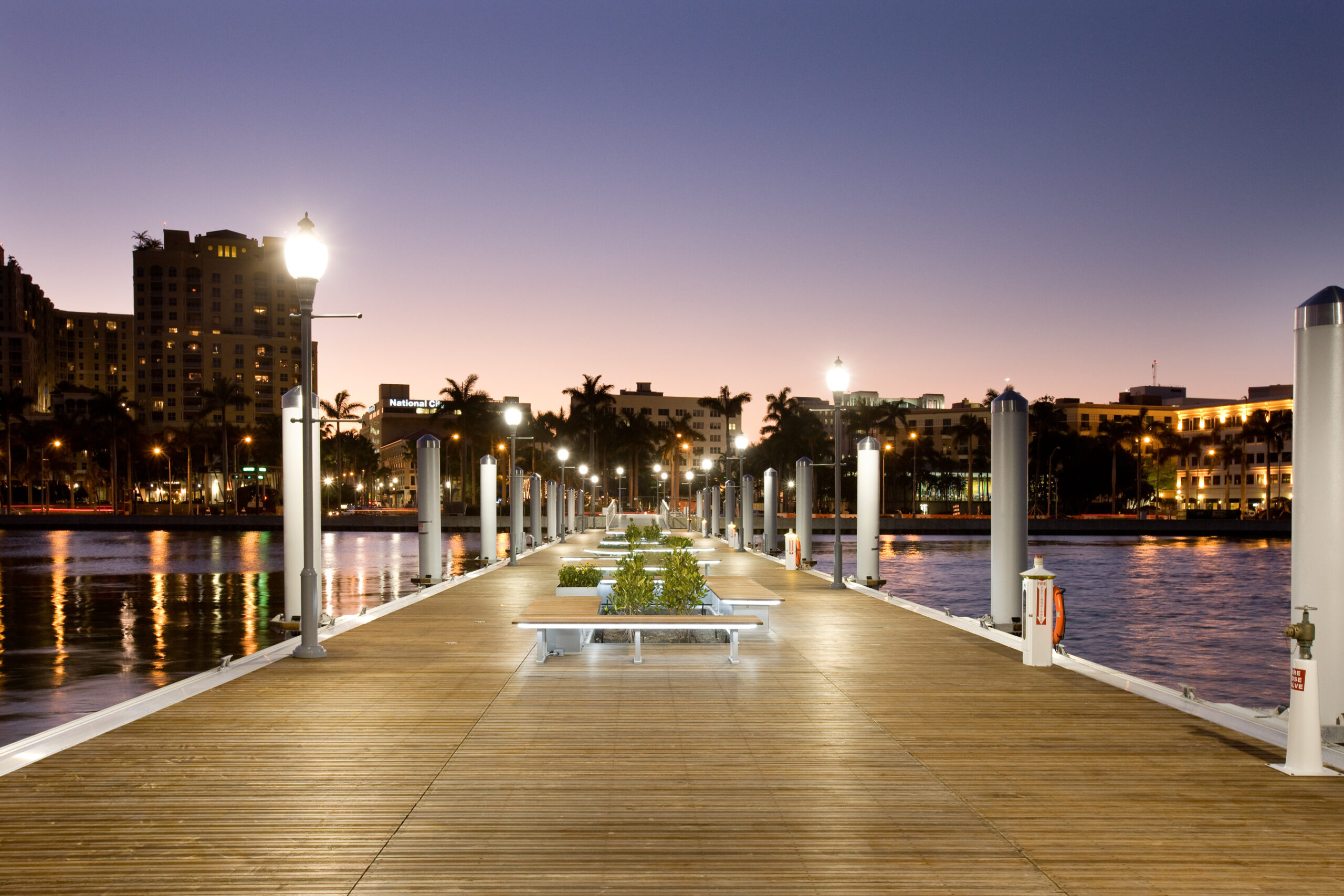
For public marinas, resorts, and high-end waterfront developments, dock layouts can also incorporate custom furnishings such as benches, planters, seating areas, canopied and commercial-grade umbrellas, as well as architectural lighting systems that enhance both functionality and the overall waterfront experience.
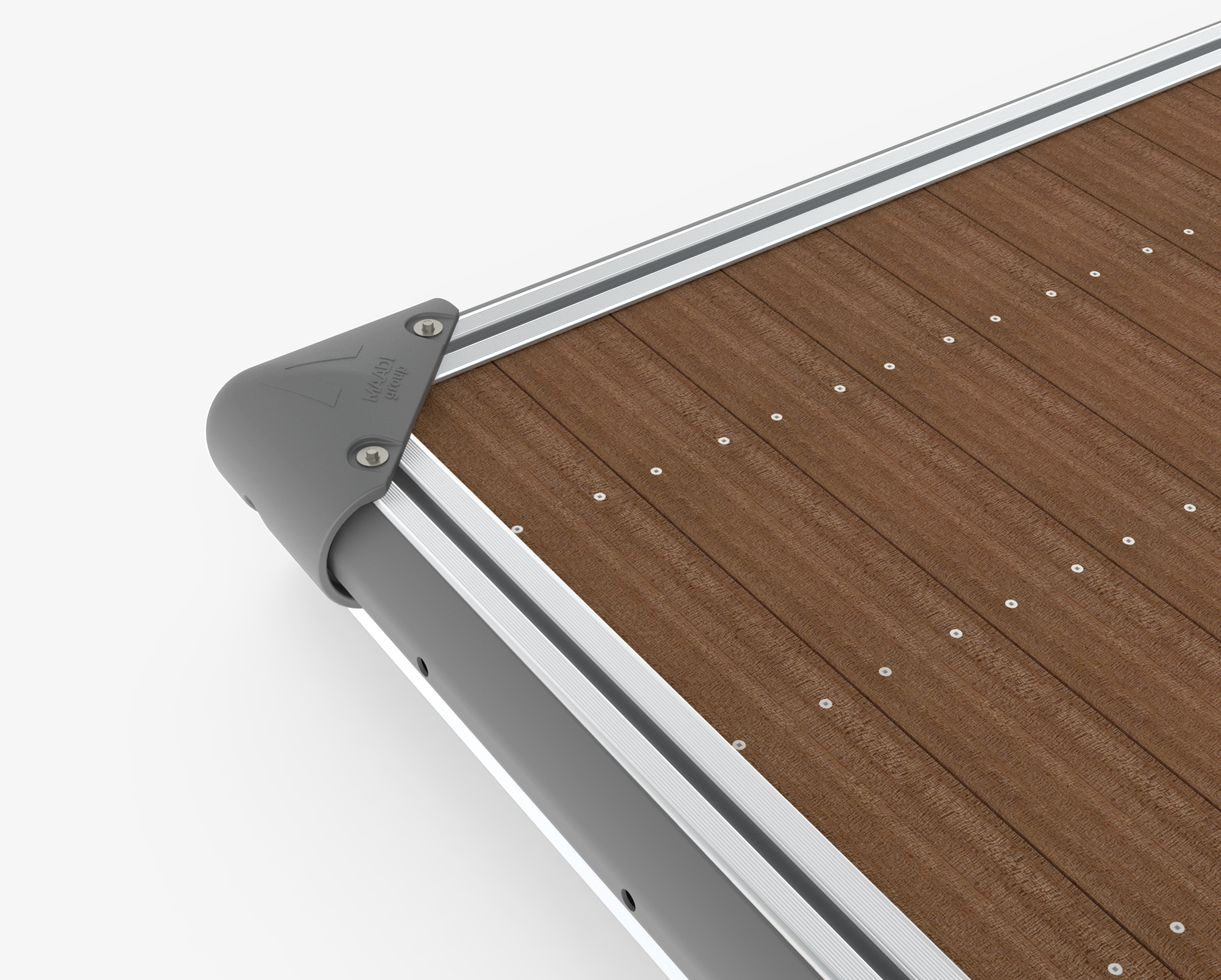
All accessories are engineered to integrate seamlessly with MAADI Group’s aluminum dock systems, ensuring structural compatibility, long-term durability, and a clean, professional appearance across the entire marina or waterfront installation.
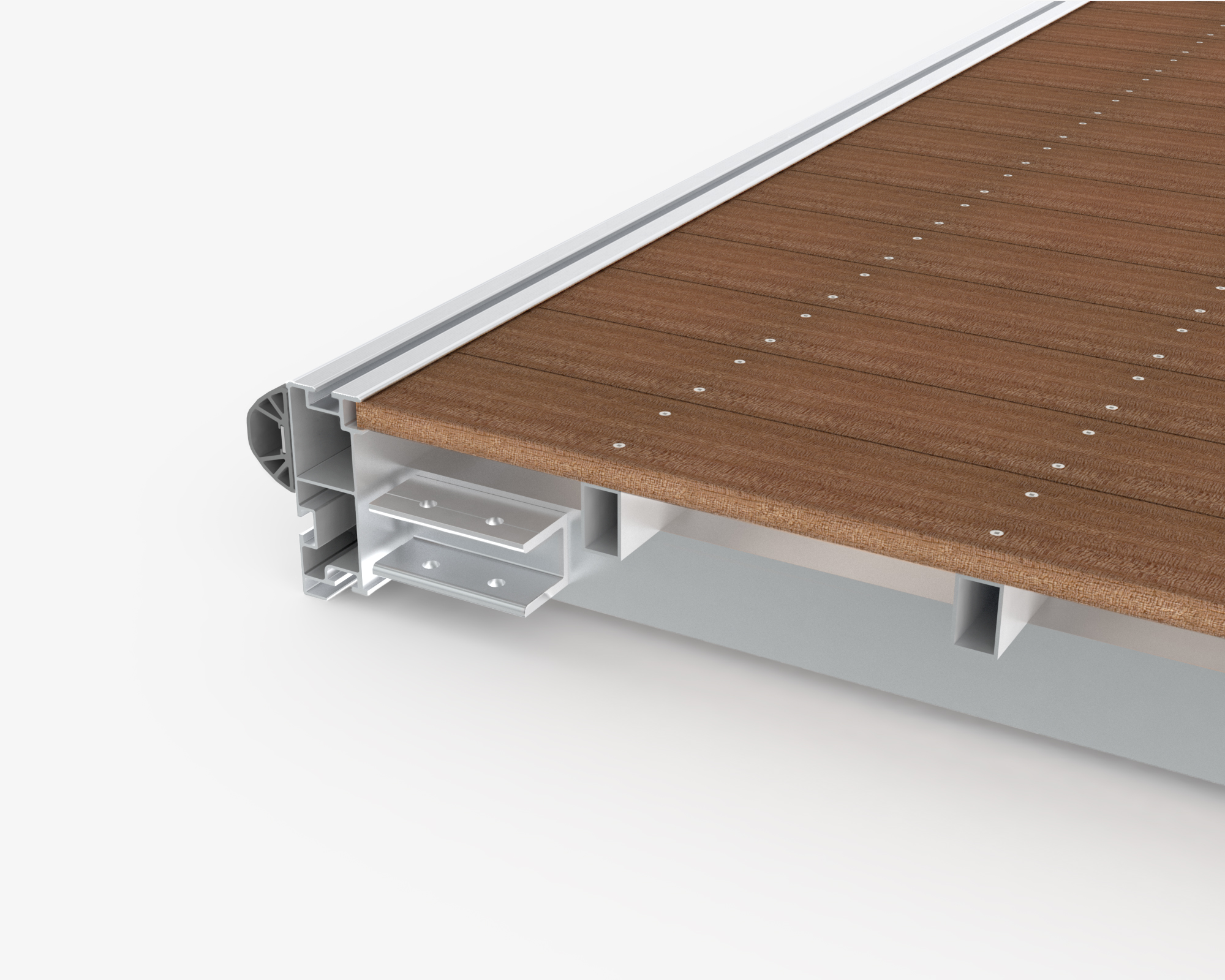
Start your Aluminum Structure Project