

Start your Aluminum Structure Project
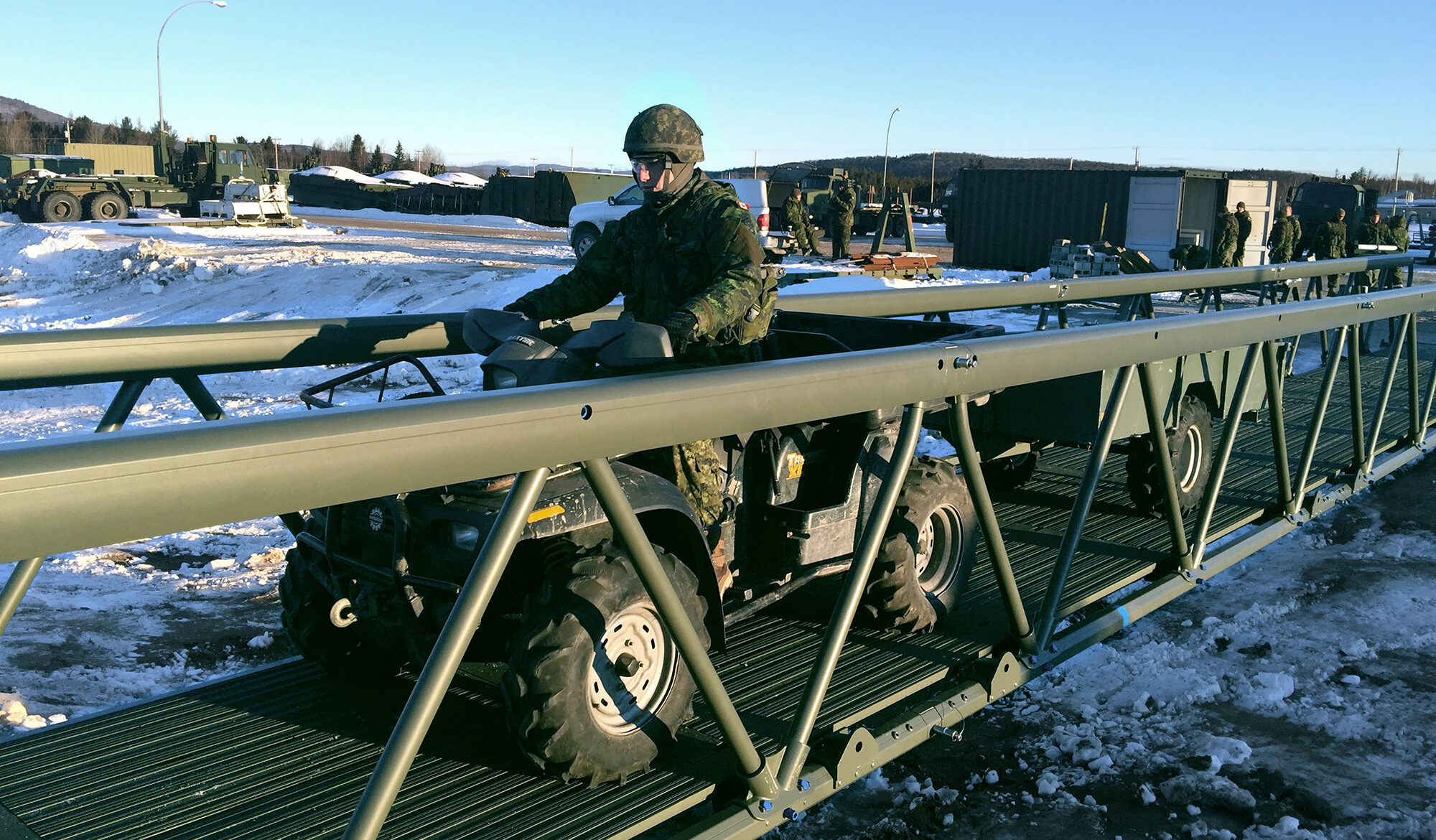


The LVTB-1811 is a lightweight, weld-free modular aluminum vehicle bridge engineered for municipalities, government agencies and emergency response operations.
Its standardized components can be transported in a single container and assembled on site using basic tools, without field welding or heavy construction equipment. This makes the system particularly suited to rapid crossing restoration following floods, wildfires and other events that damage or isolate critical transportation infrastructure.

Strong and Light Tactical Bridges
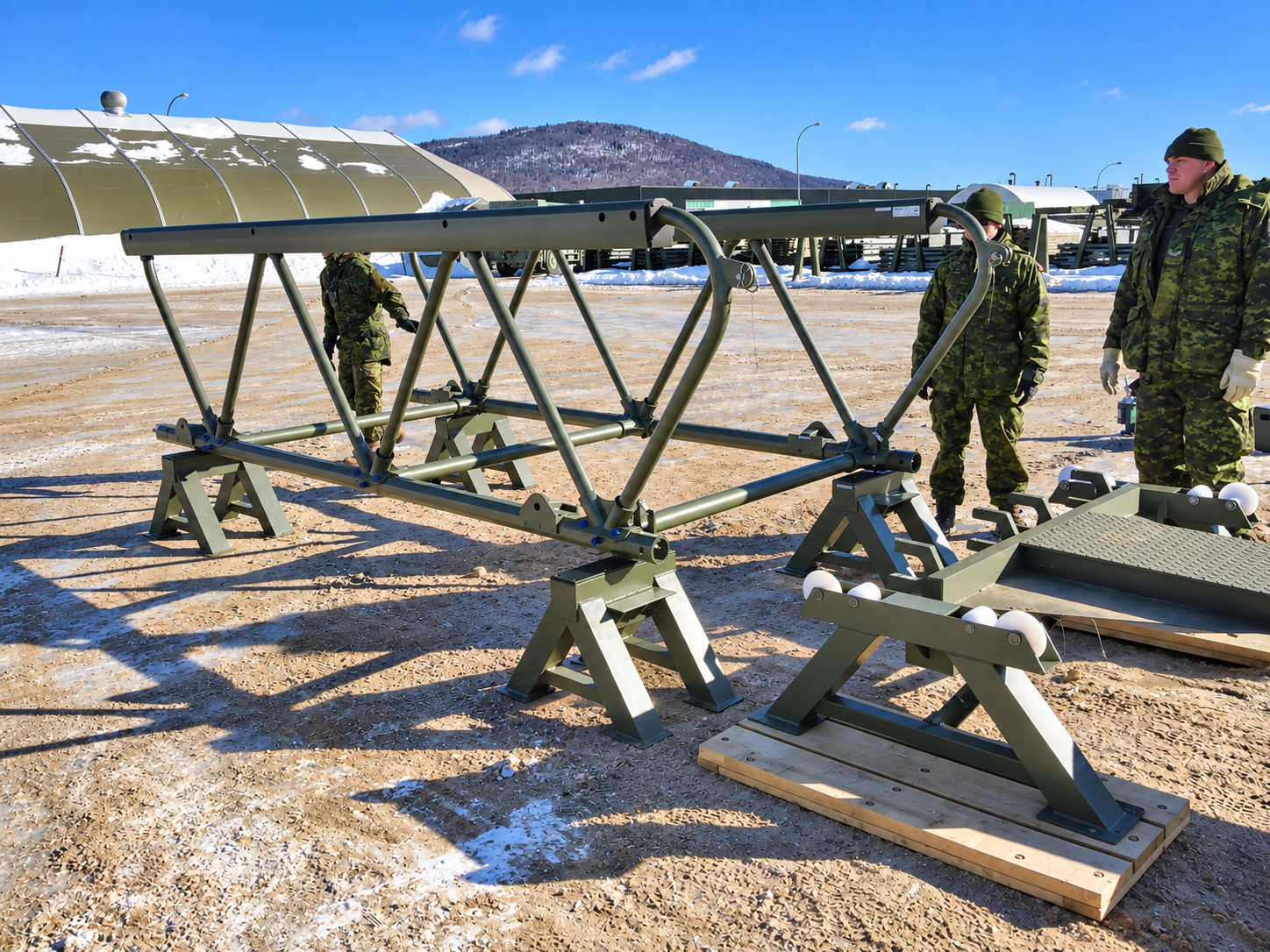
The LVTB-1811 combines high-strength structural aluminum with a modular, weld-free design to achieve the strength required for light vehicle crossings while keeping individual components light enough for manual handling.
The low weight of aluminum is particularly valuable in tactical and emergency applications, where transportability, manual handling and rapid deployment can be as important as structural capacity.
Ultra-Fast Bridge Assembly
A 59 ft 5 in (18.1 m) LVTB-1811 can be assembled and deployed in under 90 minutes by a crew of eight. The modular system can also be handled by a minimum crew of four using basic tools, where deployment time is less critical.
Its horizontal launching method eliminates the need for a crane during standard deployment, allowing the bridge to be installed at remote or constrained sites where heavy lifting equipment may be unavailable or impractical.
Quick Shipping and Containerized Deployment
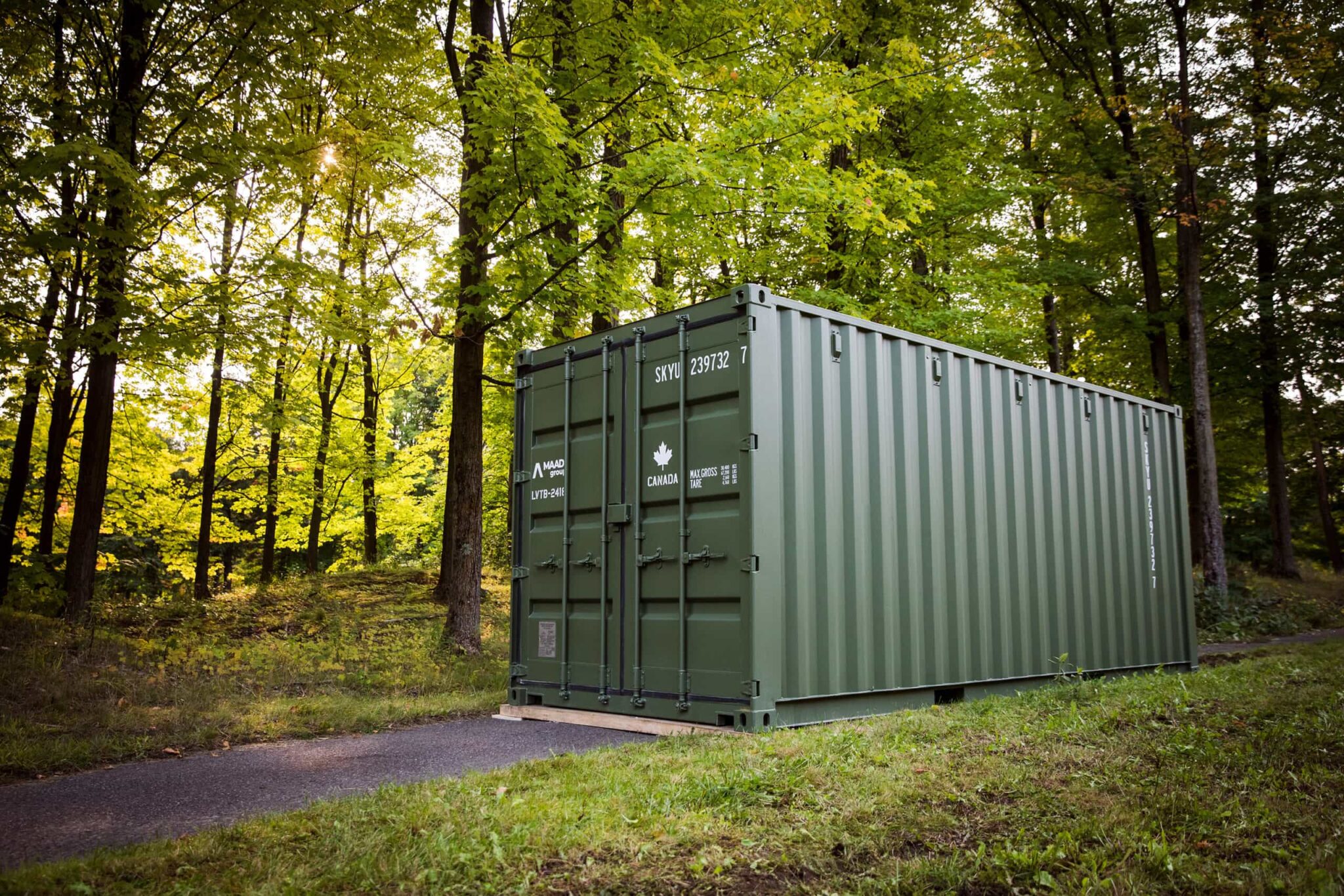
The LVTB-1811 is designed around standardized modular components that can be transported in a single 20 ft (6 m) container. Components are organized for protected transport and efficient sequencing during deployment.
This compact logistics footprint simplifies road, sea and intermodal transportation and allows complete bridge systems to be pre-positioned for emergency response or rapidly transported to a crossing when required.
Custom Bridge Design for Your Crossing
The LVTB-1811 can be configured for the required span, bridge width, light vehicle loading and site-access constraints of the crossing.
MAADI’s professional engineers evaluate the complete deployment scenario—including structural loading, component handling, transportation limitations, launch requirements and site geometry—to develop a bridge configuration suited to both the crossing and the way it must reach the site.
Get Your Lightweight Bridge Quoted
Send us your required span, vehicle load and site-access constraints. We’ll develop a lightweight bridge configuration around your crossing and deployment requirements.
Lightweight Bridge Specifications
| Model | LVTB-1811 |
|---|---|
| Overall span | 20 ft to 60 ft (6.1 m to 18.3 m) |
| Clear width | 3 ft to 6 ft (0.9 m to 1.8 m) |
| Pedestrian load | 84 psf (4 kPa) |
| Vehicular load | 2,510 lb (1,140 kg) |
| Ultimate tensile strength | 260 MPa |
| Alloys | 6005A-T6, 6061-T6, AA356-T6 |
| Fasteners | Stainless steel 300 series |
| Deck | Aluminum anti-skid panels |
| Finish | Durable powder coat |
| Shipping | One standard 20 ft (6 m) container |
| Warranty | 2-year manufacturer's limited warranty against corrosion of the aluminum main load-bearing structure |
Expertise You Can Count On for Lightweight Bridges
Faster Emergency Bridge Response
When floods, wildfires or other emergencies disrupt critical infrastructure, municipalities and government agencies need crossing systems that can be transported, deployed and put into service rapidly.
A complete lightweight bridge system stored in a container and deployable by a small crew gives emergency-response teams the ability to restore a critical crossing without waiting for conventional bridge construction or heavy erection equipment.
Low-Maintenance Aluminum Bridges
Structural aluminum provides inherent corrosion resistance without requiring the protective coating systems typically associated with carbon-steel structures. It also performs well in cold environments and does not exhibit the same ductile-to-brittle transition behavior associated with certain structural steels at low temperatures.
With no paint or galvanizing system to maintain, aluminum can reduce long-term maintenance requirements. At the end of the structure’s service life, the aluminum components are also fully recyclable.
Aluminum Bridge Engineering Since 2005
MAADI has engineered aluminum structures since 2005, with projects delivered in more than 30 countries and three Extrusion Technology Foundation design awards recognizing its aluminum engineering and design.
Our multidisciplinary in-house expertise includes Professional Engineers, Naval Architects and International Welding Engineer (IWE) expertise, bringing structural engineering, aluminum design and welding engineering together within the same organization.
Guaranteed quality
Backed by 2-year limited warranty on aluminum against material failure, defects, and corrosion

Sector
Military and Emergency Bridges
In high-stress situations, every minute counts. That’s why you need an experienced partner on your side streamlining every detail—from weight, to ease of assembly, to transport. Our services include full engineering, technical support, and manufacturing at our plant in Canada.
See our Services
Technical Guide and Bill of Materials
Each bridge is supplied with a technical guide covering assembly, installation and launching procedures step by step, from site preparation through final bridge deployment.
The documentation includes a complete bill of materials identifying the components, fasteners and tools required for assembly, allowing the deployment crew to plan personnel, equipment and site preparation before the bridge arrives.
We engineer to the site and deliver to the site.



Other Products
See all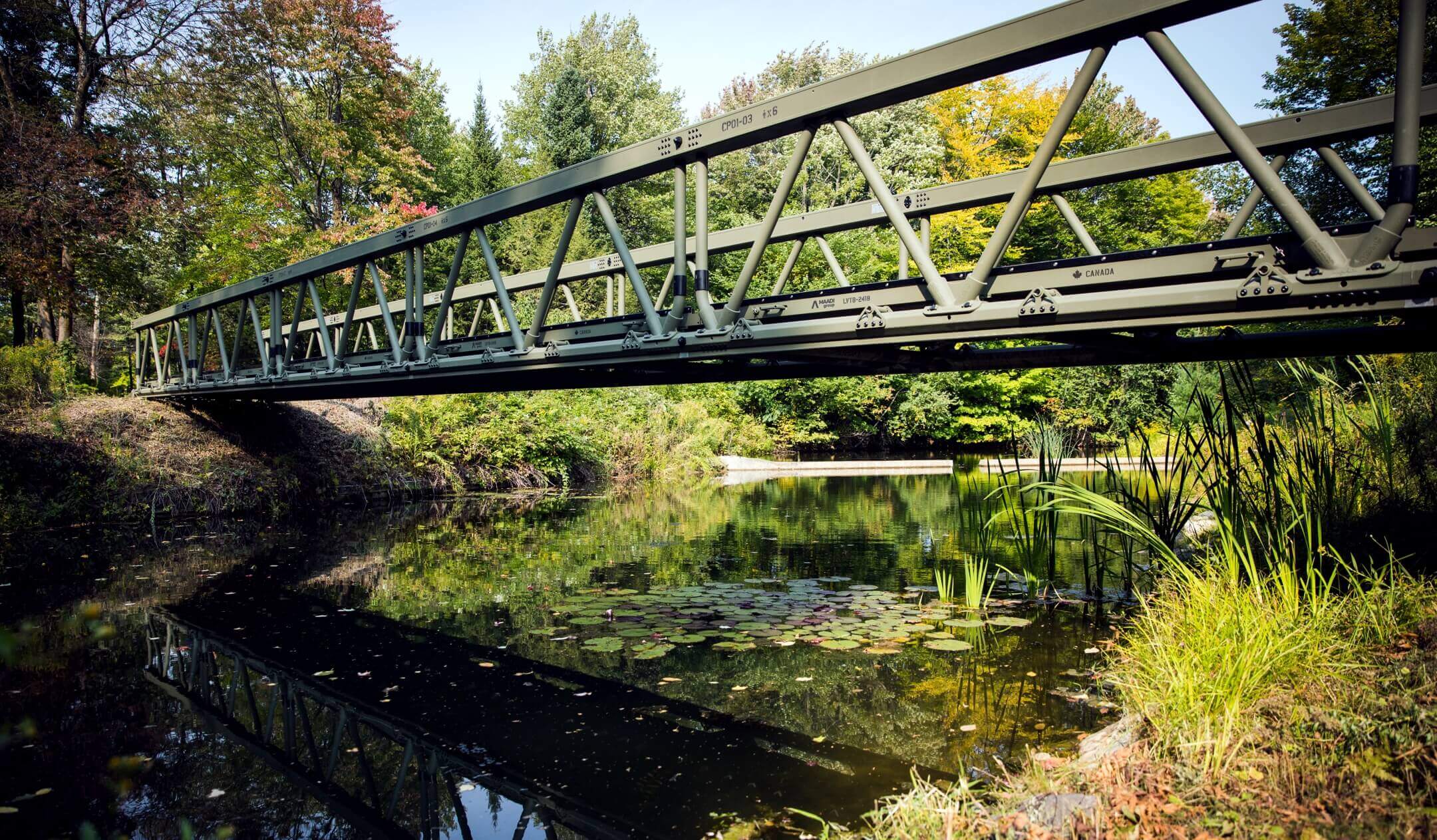
Adjustable-length bridge with ultra-fast installation for traversing uneven terrain in emergencies.
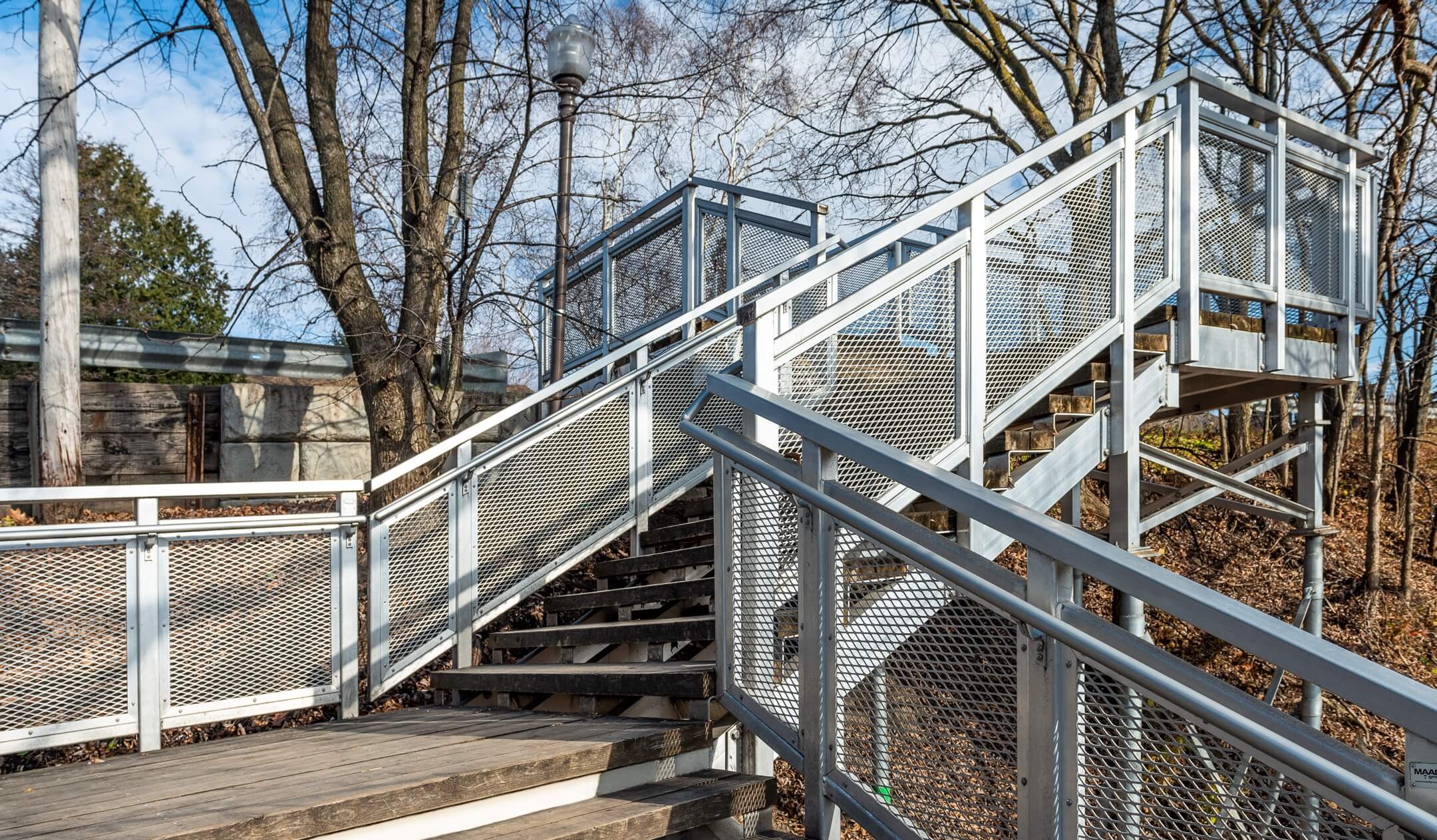
Custom-designed aluminum structures that are strong, durable and corrosion resistant.
Aluminum Bridge FAQ
Do you need a crane to install a lightweight bridge?
No. The LVTB-1811 uses a horizontal launching system designed for deployment without a crane or other heavy lifting equipment. On-site assembly can be performed with standard tools by a minimum crew of four.
How is the bridge shipped?
The LVTB-1811 is shipped as standardized modular components in a single 20 ft (6 m) container. Components are organized to protect them during transportation while providing efficient access during unloading and assembly.
Does the Bridge Perform in Extreme Cold?
Yes. Structural aluminum is well suited to cold environments and does not exhibit the same ductile-to-brittle transition behavior associated with certain structural steels at low temperatures. Its inherent corrosion resistance is also advantageous for structures exposed to demanding outdoor environments.
Can the Bridge Be Repaired in the Field?
Yes. The bridge's modular, mechanically connected construction allows individual components to be removed and replaced in the field. No field welding is required for normal component replacement, reducing the need for specialized welding personnel and equipment at the deployment site.
What Is the Difference Between the LVTB-1811 and LVTB-2418 Tactical Bridges?
The principal differences are vehicle capacity, deployment configuration and span flexibility.
The LVTB-1811 is designed for light vehicles up to 2,510 lb (1,140 kg) and can provide a crossing span of 59 ft 5 in (18.1 m).
The LVTB-2418 increases vehicle capacity to 5,000 lb (2,268 kg) and uses a modular configuration that can be assembled in different lengths, from approximately 16 ft (4 m) to 80 ft (24 m), using 16 ft (4 m) increments. This allows the same bridge system to be reconfigured for different crossing dimensions between deployments.
The LVTB-2418 was developed for NATO-related tactical requirements and a specific lightweight side-by-side military vehicle, combining modular span capability with a higher vehicle load capacity.
How Much Does a Lightweight Bridge Cost?
The cost of a lightweight bridge depends on the required span, clear width, vehicle load, launching system and site-specific conditions. Send us your crossing dimensions, required vehicle load and deployment constraints, and MAADI will develop the appropriate bridge configuration and provide a project-specific quotation.